Magnetron Sputtering Reactive Mode Power Supply Matching
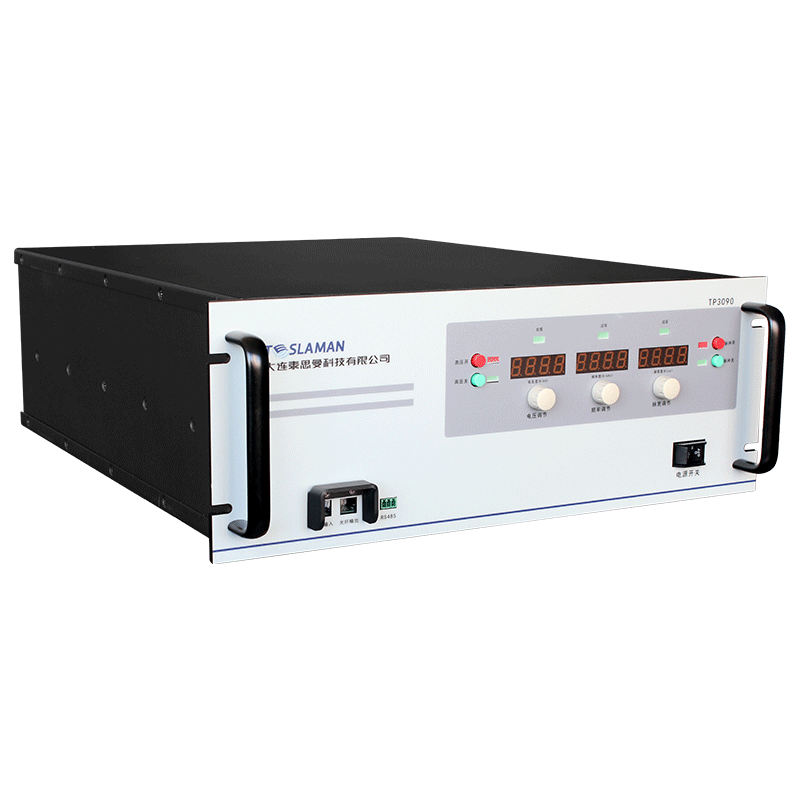
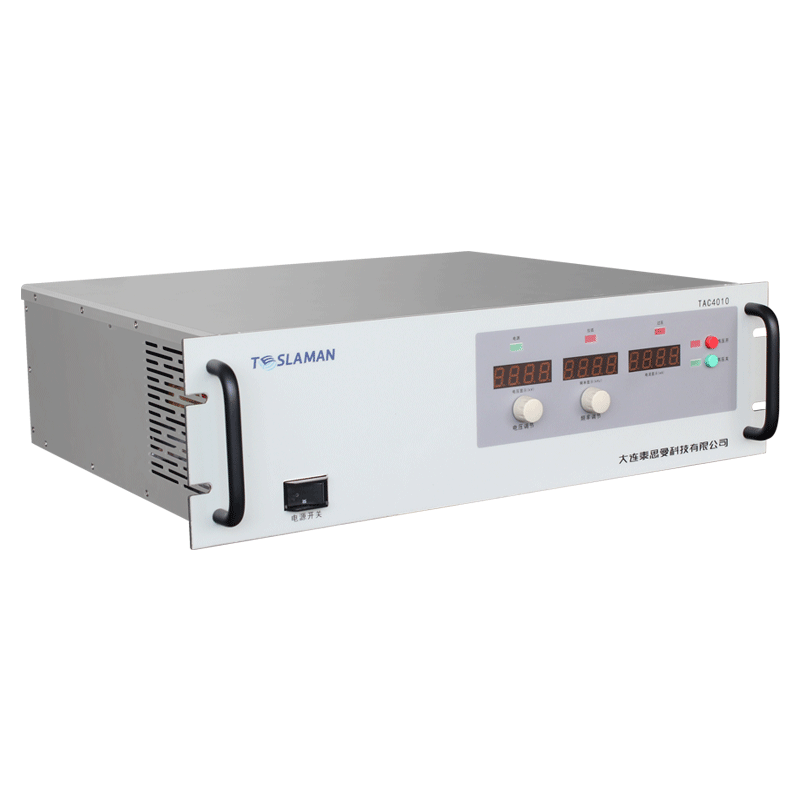
The deposition of compound thin films, such as oxides, nitrides, or carbides, via reactive magnetron sputtering is a cornerstone of modern coating technology for optics, wear resistance, and electronics. This process operates in the challenging domain of reactive mode, where a metallic target is sputtered in an atmosphere containing a reactive gas (e.g., Oxygen, Nitrogen) mixed with an inert working gas (Argon). The stability and quality of this process are critically dependent on the dynamic electrical characteristics of the plasma discharge, which, in turn, are governed by the matching and response of the high-power electrical supply. Unlike purely metallic sputtering, reactive processes exhibit a non-linear, hysteretic relationship between the reactive gas flow and the deposition rate, primarily due to target poisoning. This makes the choice and dynamic control of the power supply a paramount factor for achieving stable, high-rate deposition of stoichiometric compounds.
The core challenge arises from the target surface state. As reactive gas is introduced, it chemisorbs on the target, forming a thin compound layer. This compound layer typically has a much lower sputtering yield than the pure metal. This leads to a rapid drop in deposition rate and a significant change in the plasma impedance. If the power supply is a simple constant-voltage source, the current will crash as the target surface becomes poisoned, drastically reducing the sputtering rate and often leading to an unstable process oscillating between metallic and poisoned modes. Therefore, the power supply must be capable of maintaining a constant process parameter—be it power, current, or voltage—in the face of this wildly varying load impedance. The most common approach is to use a power supply operating in constant power mode. By regulating the product of voltage and current, it can compensate for changes in the target's surface condition to a degree, maintaining a more stable sputtering rate even as the voltage-current characteristic shifts.
However, true process stability requires more than just a constant power mode. Advanced pulsed DC or mid-frequency AC power supplies have become essential for reactive sputtering of insulating compounds. When depositing an oxide, for instance, a traditional DC supply would lead to rapid arcing and target poisoning as positive charge builds up on the insulating compound layer formed on the target. Pulsed DC supplies, operating in the tens of kilohertz range with asymmetric bipolar waveforms, periodically reverse the polarity. This "positive" phase helps to neutralize charge buildup by attracting electrons to the target, effectively suppressing arcs and clearing the insulating layer, thus allowing the use of higher reactive gas flows and power densities without instability. The precise matching of this pulsed power supply to the process is complex. Parameters like pulse frequency, reverse time, and the voltage levels during the positive and negative phases must be tuned to the specific target material, reactive gas, and chamber geometry. An improperly matched pulse pattern can be ineffective at charge removal or can even induce unwanted resonant heating of the plasma.
Furthermore, the power supply must act as a fast-responding actuator within a closed-loop control system. To lock the process into the desired high-rate, stoichiometric point on the hysteresis curve, external process controllers typically monitor a parameter like the partial pressure of the reactive gas (via a mass spectrometer) or the optical emission from a target metal species in the plasma. The controller's output then modulates either the reactive gas flow or, more effectively, the sputtering power. When using power as the control variable, the supply must be able to accept an analog or digital modulation signal and adjust its output power rapidly and linearly. Any lag, overshoot, or non-linearity in this response can cause oscillations in the control loop, leading to film property variations. The supply's internal feedback loops for current limiting and arc handling must be exceptionally fast and sophisticated. Arcs, which are inevitable in reactive sputtering, must be detected and quenched within microseconds to prevent film defects and target damage. The supply should then seamlessly recover to the set operating point without causing a process disturbance.
The electrical matching network, often integrated with the supply or placed between it and the magnetron, is another critical component. It ensures maximum power transfer from the supply to the plasma load, which is not a simple resistor but a complex, non-linear impedance that changes with mode. In RF-driven reactive processes for insulating targets, this matching network dynamically adjusts capacitors to minimize reflected power. For pulsed DC systems, the cabling inductance and network design must be compatible with the fast voltage transitions to prevent ringing and overshoot that could trigger arcs. Ultimately, successful power supply matching for reactive magnetron sputtering is about creating a symbiotic relationship between the electrical source and the chemical process. The supply must provide not just energy, but also a specific electrical environment—whether constant power, pulsed waveforms, or fast-modulated output—that actively stabilizes the delicate balance between sputtering and compound formation, enabling the reproducible deposition of high-performance functional coatings.