Distributed Wireless Management Architecture for Capacitor Charging Power Supply Systems
The management of capacitor charging power supplies in large-scale industrial and scientific applications presents significant challenges when multiple charging units must be coordinated across distributed locations.Traditional wired control systems introduce complexity,increase installation costs,and create reliability concerns,particularly in environments where cables are impractical or expose systems to electromagnetic interference.Wireless management architectures have emerged as a transformative solution,enabling seamless coordination of capacitor charging operations while maintaining the precision and safety requirements essential to these applications.
Capacitor charging power supplies serve critical functions in numerous technologies,including pulsed laser systems,radar transmitters,pulse forming networks,and particle accelerator facilities.These applications require capacitors to be charged to specific voltage levels with precise timing and repeatability.In systems involving multiple charging stations,manual coordination becomes impractical and error-prone.Wireless management provides the infrastructure for automated,centralized control while eliminating physical connectivity constraints.
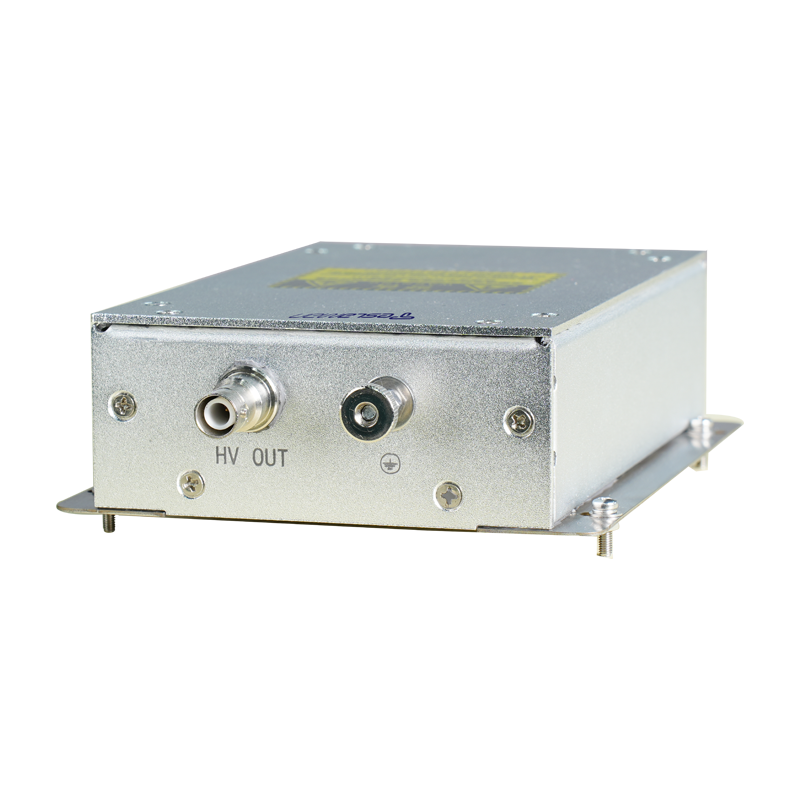
The fundamental architecture consists of three primary layers:field devices,communication infrastructure,and central management systems.Field devices include the capacitor charging power supplies themselves,equipped with wireless communication modules capable of transmitting status information and receiving command signals.Modern implementations utilize industrial wireless protocols such as WirelessHART,ISA100.11a,or proprietary solutions designed for harsh environments.
The communication infrastructure must address several technical requirements.Reliability is paramount,as command signals for capacitor charging directly affect system safety.Redundant communication paths and error detection mechanisms ensure message integrity.Latency requirements vary depending on the application,with some systems requiring response times below ten milliseconds for synchronized operations.
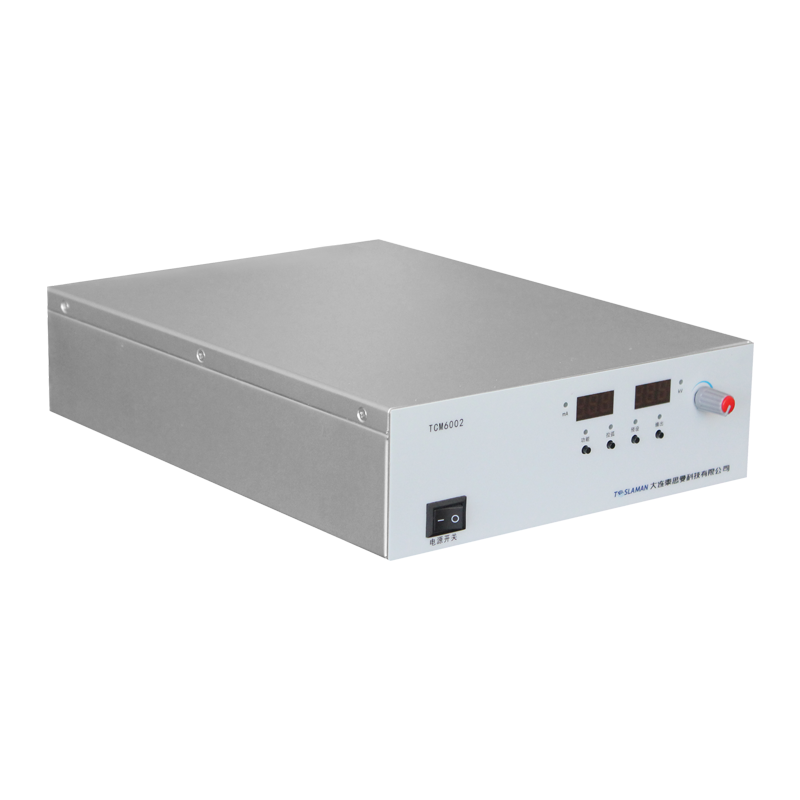
Central management systems provide the intelligence for coordinated operations.These systems maintain comprehensive databases of all connected charging supplies,including their operational parameters,calibration status,and maintenance schedules.Advanced algorithms optimize charging sequences to minimize energy consumption while meeting production or experimental requirements.
Security considerations in wireless industrial systems require careful attention.Encryption of communication channels prevents unauthorized access and data tampering.Authentication mechanisms ensure that only authorized control systems can issue commands to charging equipment.Network segmentation limits the potential impact of security breaches.
The practical benefits of wireless management extend beyond mere convenience.Diagnostic capabilities improve dramatically when status information flows continuously from distributed units.Predictive maintenance algorithms analyze trends in charging performance to identify components approaching failure before they cause system downtime.
Installation and commissioning of wireless systems prove significantly faster than wired alternatives.Infrastructure requirements are reduced,as no conduit installation or cable pulling is necessary.This advantage proves particularly valuable in existing facilities where installing new cables would be disruptive or impossible.
Scalability represents another key advantage.New charging stations can be added to the network without modifications to existing infrastructure.This flexibility supports gradual system expansion and accommodates changing operational requirements.
Operational experience in demanding environments demonstrates the viability of wireless approaches.Industrial facilities with high electromagnetic interference,such as those involving large electric motors or radio frequency equipment,have successfully deployed wireless management systems after implementing appropriate filtering and error correction measures.
Technical challenges remain in certain applications.Extreme environmental conditions,including temperature extremes,humidity,and corrosive atmospheres,require specialized equipment selection and installation practices.Regular maintenance of wireless infrastructure ensures continued reliable operation.
The evolution toward Industry 4.0 manufacturing principles drives increased adoption of wireless management systems.Real-time visibility into distributed operations enables data-driven decision making and supports continuous improvement initiatives.The integration of wireless management with enterprise resource planning systems creates seamless information flow from the shop floor to executive dashboards.
Future developments will likely incorporate artificial intelligence and machine learning algorithms that further enhance system optimization.Edge computing capabilities will enable faster local decision making while reducing demands on central systems.The continued advancement of wireless communication technologies promises higher data rates,lower latency,and greater reliability.
In summary,distributed wireless management of capacitor charging power supplies addresses longstanding operational challenges while enabling new capabilities and efficiencies.As technology continues to mature,wireless approaches will become increasingly prevalent in industrial and scientific applications requiring coordinated control of distributed power systems.