High Voltage Regulation for Particle Charge-to-Mass Ratio in Plastic Triboelectric Separation
Triboelectric separation of plastic materials represents an important recycling technology that enables the recovery and purification of plastic waste. The process exploits differences in surface charge acquired by different plastic materials through triboelectric charging, followed by separation in an electric field based on the charge-to-mass ratio of particles. The effectiveness of triboelectric separation depends critically on the precise control of electric field strength and distribution throughout the separation chamber, with high voltage power supplies playing a fundamental role in establishing and maintaining these fields. The optimization of high voltage parameters directly impacts separation efficiency, purity of recovered materials, and throughput of triboelectric separation systems.
The principle of triboelectric separation involves first charging plastic particles through contact or friction with other materials or surfaces. Different plastic materials acquire different surface charge densities depending on their position in the triboelectric series and the specific charging conditions. The charged particles are then introduced into a separation chamber where an electric field is applied. The electric force on each particle depends on its charge and the electric field strength, while gravity depends on its mass. The resulting trajectory of each particle depends on its charge-to-mass ratio, allowing different plastic types to be separated into different collection bins. High voltage power supplies for triboelectric separation typically operate in the range of 10 to 100 kilovolts, providing electric field strengths of several kilovolts per centimeter in the separation chamber.
The optimization of high voltage parameters for triboelectric separation requires careful consideration of multiple factors. Higher applied voltages generally produce stronger electric forces and better separation efficiency, but excessive voltage can cause problems such as particle agglomeration, wall deposition, or electrical breakdown. The optimal voltage depends on the specific plastic materials being separated, particle size distribution, moisture content, and chamber geometry. Modern triboelectric separation systems employ sophisticated control algorithms that automatically determine optimal voltage conditions based on the specific feed material and separation objectives. These algorithms may incorporate feedback from sensors that monitor separation efficiency, product purity, and process conditions to dynamically adjust voltage parameters during operation.
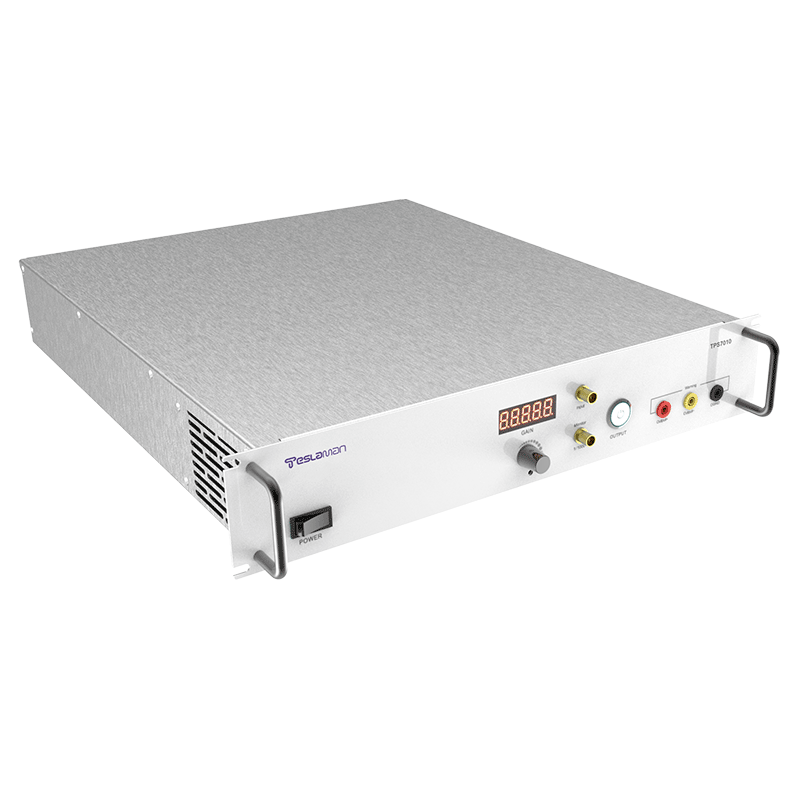
High voltage power supply design for triboelectric separation applications must address several unique challenges arising from the specialized operating environment. The load presented by the separation chamber is primarily capacitive but varies with particle loading, moisture content, and the presence of conductive contaminants. The power supply must maintain stable voltage output despite these load variations while providing the precise current monitoring needed for process optimization and troubleshooting. The presence of conductive particles and the potential for arcing or flashover create fault conditions that the power supply must detect and respond to appropriately without causing damage to the system or creating safety hazards. Additionally, the dusty environment and potential for conductive deposits on high voltage components require special design considerations for insulation and creepage distances.
The topology of high voltage power supplies for triboelectric separation has evolved to meet the specific requirements of these applications. Early systems used simple transformer-rectifier designs with linear regulation, providing excellent stability but limited efficiency and large physical size. Modern systems typically employ switching power supply topologies that offer much higher efficiency and reduced size while maintaining adequate stability for most applications. Resonant converter designs are particularly well-suited to triboelectric separation applications, offering high efficiency, low electromagnetic interference, and good power density. The use of high-frequency operation allows for significant reduction in transformer size and improved dynamic response. Advanced digital control systems monitor multiple parameters including output voltage, current, and temperature to optimize performance and ensure safe operation.
Voltage regulation and stability represent critical performance parameters for triboelectric separation high voltage power supplies. The separation efficiency and reproducibility depend directly on the consistency of the applied electric field. Modern power supplies employ sophisticated feedback control algorithms that compensate for line voltage variations, load changes, and environmental conditions. The control bandwidth must be sufficient to respond to changes in chamber loading while maintaining stable voltage output. Ripple and noise specifications are particularly important, as voltage fluctuations can cause variations in particle trajectories and reduce separation efficiency. Typical requirements call for ripple levels below 0.1 percent of the rated output voltage, necessitating careful design of filtering stages and selection of low-noise components. Long-term stability is equally important, as voltage drift over time can affect separation performance and product quality.
The thermal design of high voltage power supplies for triboelectric separation presents unique challenges due to the combination of precision requirements and harsh environmental conditions. The power supply must often operate in industrial environments with elevated temperatures, dust, and potentially conductive contaminants. The presence of high voltage potentials complicates thermal management, as traditional cooling methods must be implemented without compromising electrical insulation. Many systems employ forced-air cooling with carefully designed airflow paths and strategically placed heat sinks. The enclosure design must prevent dust ingress while allowing adequate cooling airflow. The thermal design must ensure stable operation over a wide range of ambient temperatures while maintaining the precision voltage regulation required for efficient separation. Temperature gradients within the power supply can cause drift in output voltage and other parameters, making thermal management a critical aspect of overall system design.
Protection and safety systems are integral components of high voltage power supplies for triboelectric separation applications. The high voltages involved create electrical hazards that require multiple layers of protection. Overcurrent protection prevents damage from fault conditions such as chamber arcing, conductive contamination, or insulation failure. Overvoltage protection guards against component degradation and potential safety hazards. Arc detection circuits identify and respond to discharge events that could damage the separation chamber or power supply components. Interlock systems ensure that high voltage cannot be applied unless all safety conditions are met, including proper chamber installation, cooling system operation, and enclosure integrity. These protection systems must be designed for high reliability and fast response to prevent equipment damage while avoiding nuisance trips that would interrupt separation processes.
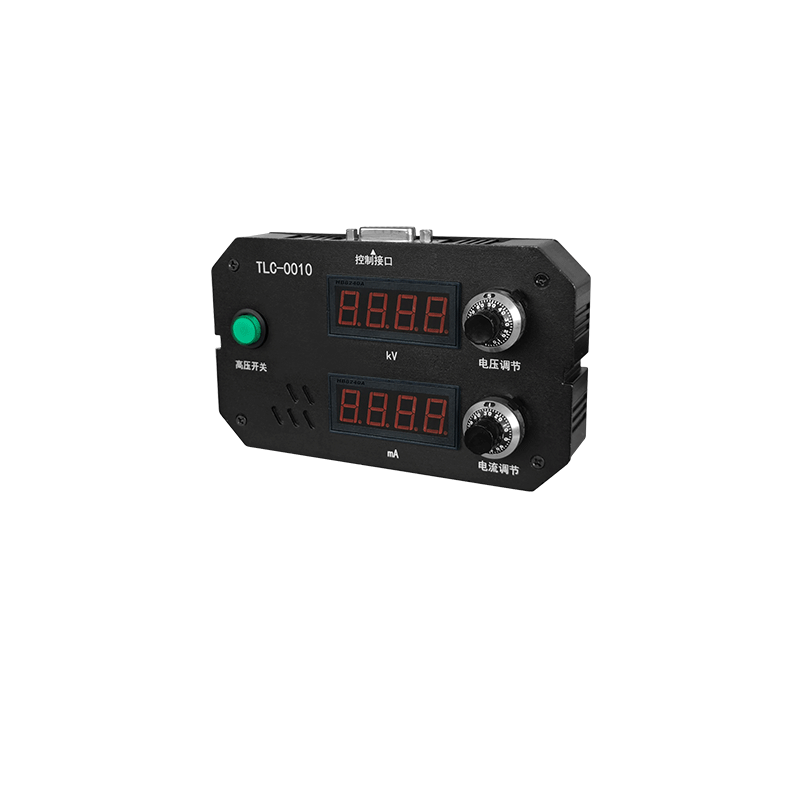
The integration of high voltage power supplies with modern triboelectric separation systems requires sophisticated control and monitoring capabilities. Digital communication interfaces enable remote monitoring and control of power supply parameters, integration with plant automation systems, and data logging for quality assurance and process optimization. Advanced diagnostic capabilities help predict maintenance needs and optimize system performance. The ability to store and retrieve operating parameters supports process recipes and ensures reproducibility of separation results. Modern power supplies often include built-in self-test functions that verify critical components and subsystems before high voltage is applied, reducing the risk of unexpected failures during production runs.
Emerging applications in plastic recycling and waste management continue to drive innovation in high voltage power supply technology for triboelectric separation. The development of new plastic materials and composites presents challenges for separation efficiency and purity. Increasingly stringent quality requirements for recycled plastics demand improved separation precision and consistency. The trend toward larger-scale recycling facilities and higher throughput creates demand for power supplies that can handle higher power levels while maintaining precision. These evolving requirements ensure continued development of advanced high voltage power supply technology specifically tailored to the unique needs of triboelectric separation and plastic recycling applications.