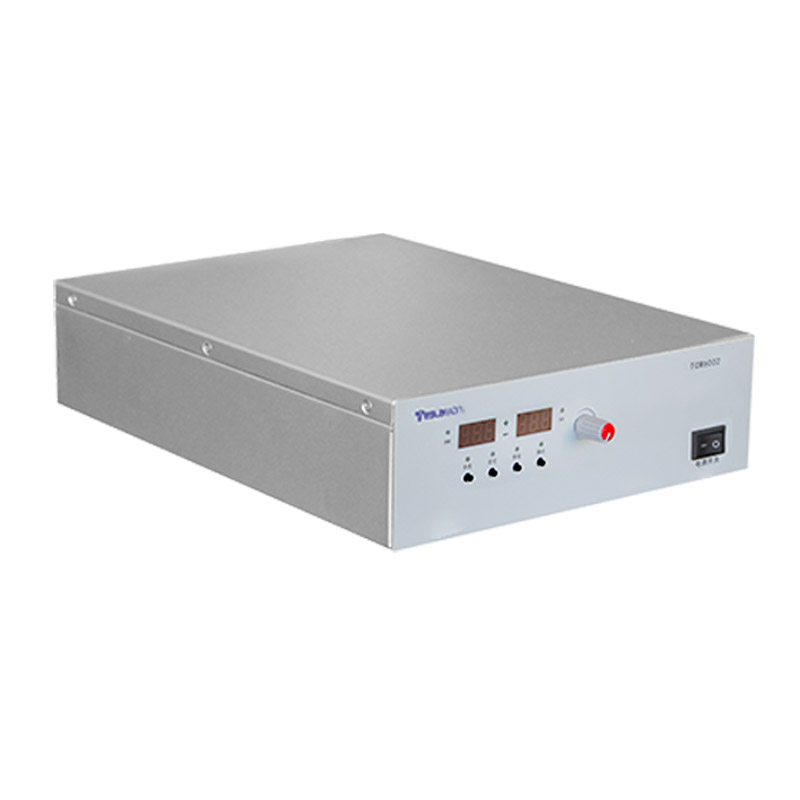
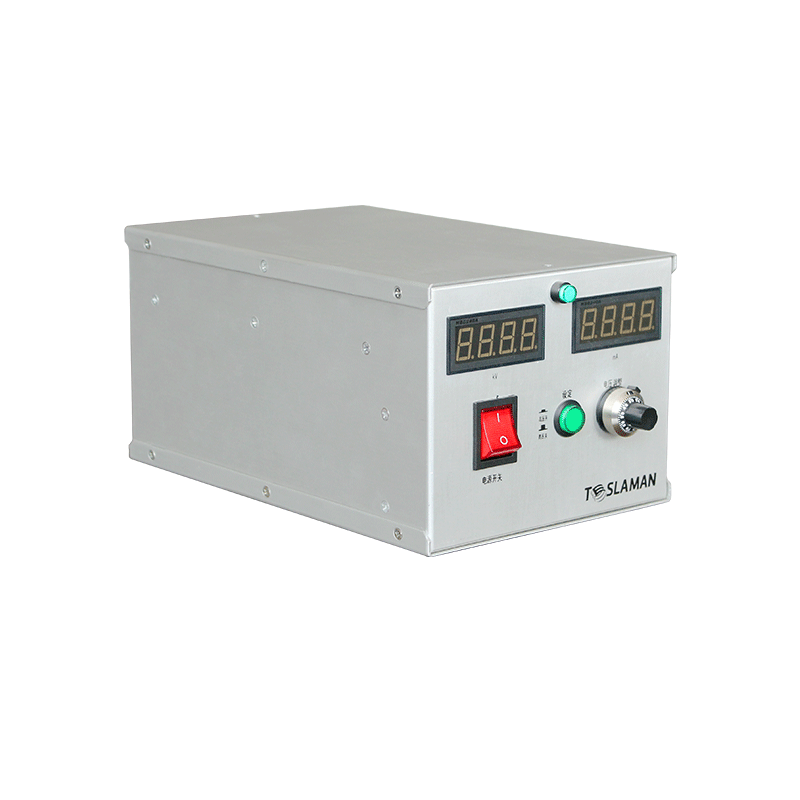
Energy Saving Design and Application Effect for Electrostatic Flocking Production Line High Voltage Power Supply
Electrostatic flocking represents an important textile finishing process that creates a velvet-like surface on fabrics. The process uses high voltage to charge flock fibers, which are then attracted to an adhesive-coated fabric. The high voltage power supply that charges the fibers represents a critical component that affects both process quality and energy consumption. Energy saving design has become increasingly important as energy costs rise and environmental regulations become more stringent. The application of energy saving technologies must not compromise process quality while reducing energy consumption.
The electrical requirements for electrostatic flocking high voltage power supplies depend on the specific flocking process and production line configuration. Typical operating voltages range from 20 to 100 kilovolts, with currents from milliamps to tens of milliamps depending on the flocking head size and production speed. The power supply must provide stable output across these operating ranges while accommodating the varying load presented by the flocking head. The load varies with flock density, fabric characteristics, and environmental conditions, requiring the power supply to adapt to these variations while maintaining precise voltage regulation.
Energy consumption in electrostatic flocking systems comes from multiple sources. The high voltage power supply itself consumes power to generate the required voltage. The flocking process consumes power to charge the fibers and create the electric field. Auxiliary systems including fans, controls, and monitoring also consume power. Energy saving design must address all of these sources to achieve meaningful overall energy reduction. The power supply represents a significant portion of total energy consumption, making it a key focus for energy saving measures.
Efficiency improvement represents a fundamental energy saving approach. Traditional electrostatic flocking power supplies often operate at efficiencies below 70 percent, resulting in substantial energy waste. Advanced converter topologies including resonant converters can achieve efficiencies exceeding 90 percent. The use of wide-bandgap semiconductor devices such as silicon carbide and gallium nitride enables higher efficiency through reduced switching losses. Multi-level converter architectures distribute voltage stress across multiple stages, reducing losses in individual components. These efficiency improvements directly reduce energy consumption and cooling requirements.
Load-matched operation optimizes efficiency for actual operating conditions. Electrostatic flocking production lines may operate at varying speeds and with different flock densities. The power supply can be designed to optimize efficiency across the expected operating range rather than just at a single operating point. Advanced control algorithms can adjust operating parameters to maintain optimal efficiency under varying conditions. The load-matched design must ensure that efficiency improvements do not compromise process quality.
Power factor correction reduces reactive power draw and improves overall efficiency. Traditional power supplies may have poor power factor, increasing current draw from the power line without increasing useful power output. Active power factor correction circuits can achieve power factors approaching unity, reducing line current and associated losses. The power factor correction must be designed to maintain stability and other performance requirements. Improved power factor reduces both energy consumption and stress on facility power distribution systems.
Sleep modes and power gating reduce energy consumption during idle periods. Production lines may have periods of reduced activity or shutdowns between production runs. The power supply can enter low-power sleep modes during these periods, reducing quiescent power consumption to minimal levels. Power gating can disable unused functions when not needed. The sleep mode must provide fast wake-up to resume operation quickly when production resumes. Advanced implementations may predict idle periods and automatically enter sleep modes.
Regenerative braking recovers energy during deceleration phases. Some flocking processes may involve rapid changes in production speed or periodic shutdowns. The energy stored in system capacitance and inductance during operation can be recoved during deceleration rather than being dissipated as heat. Regenerative circuits can return this energy to the power line or store it for later use. The regenerative system must be designed to maintain stability and safety while enabling energy recvery.
Adaptive voltage control optimizes energy consumption for specific process requirements. The flocking process may not require maximum voltage for all products or process conditions. The power supply can adaptively adjust voltage to the minimum level required for acceptable flocking quality. Advanced implementations may use feedback from quality monitoring systems to automatically optimize voltage. The adaptive control must ensure that process quality is not compromised while reducing energy consumption.
Thermal management optimization reduces cooling energy consumption. The cooling system itself consumes energy to remove heat from the power supply. Optimized thermal design reduces the amount of heat that must be removed. Variable-speed cooling fans can adjust cooling capacity based on actual thermal load, reducing energy consumption during light load conditions. Advanced thermal management may use predictive algorithms to anticipate thermal load changes and adjust cooling proactively.
Monitoring and energy management systems provide visibility into energy consumption. Real-time energy monitoring enables identification of energy-intensive operations and optimization opportunities. Energy management systems can coordinate power supply operation with production scheduling to minimize energy consumption. Advanced implementations may implement energy optimization algorithms that automatically adjust parameters to minimize energy use while maintaining process quality. The monitoring systems must provide clear visibility into energy consumption trends and optimization opportunities.
Application of energy saving technologies has demonstrated significant benefits in production environments. Efficiency improvements have reduced energy consumption by 20 to 30 percent in many installations. Power factor correction has reduced line current draw and associated losses. Sleep modes have reduced quiescent energy consumption to less than 10 percent of operating power. These energy savings directly reduce operating costs and environmental impact while maintaining or improving process quality.
Recent advances in energy saving technology have enabled further improvements. Wide-bandgap semiconductor devices have enabled efficiency improvements while maintaining stability. Advanced control algorithms have enabled more sophisticated optimization of energy consumption. Integration with production management systems has enabled coordinated energy optimization across entire production lines. These advances have continued to reduce energy consumption while maintaining or improving process quality.
Emerging electrostatic flocking applications continue to drive innovation in energy saving technology. The development of new flocking materials and processes creates demand for power supplies with improved adaptability. Increasingly stringent energy regulations create demand for even higher efficiency. The trend toward automated production creates demand for power supplies with enhanced energy management capabilities. These evolving requirements ensure continued development of energy saving technology specifically tailored to the unique needs of electrostatic flocking production line high voltage power supplies.