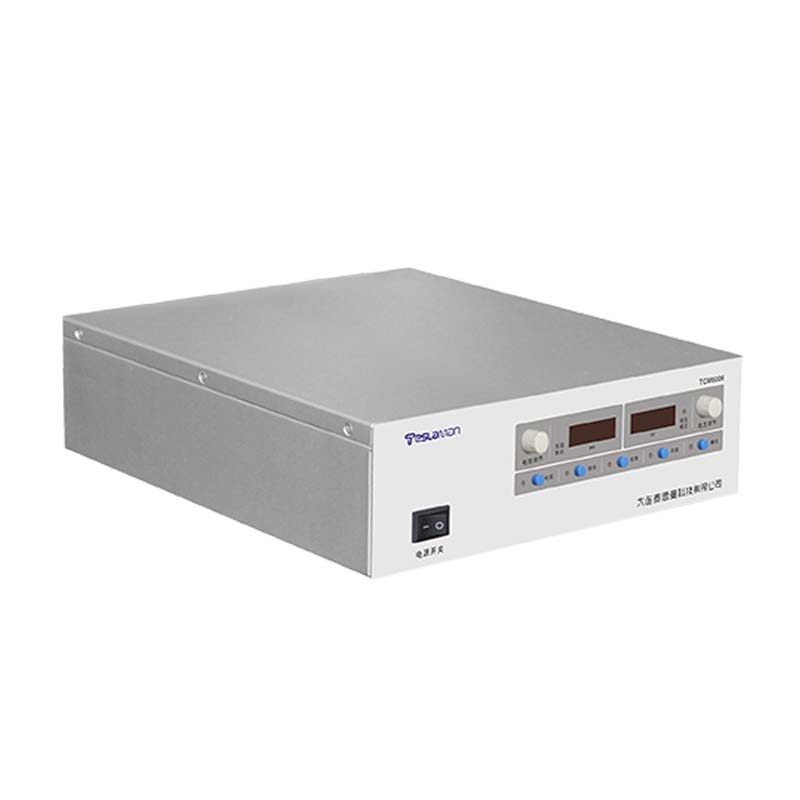
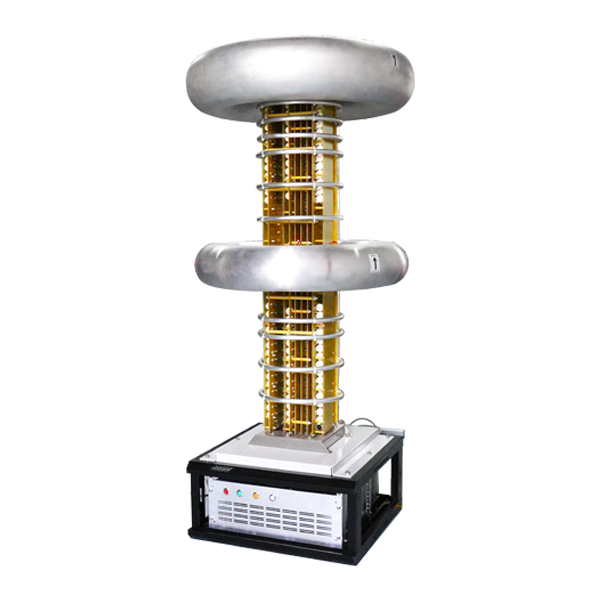
Full Digital Control of High Voltage Power Supply Based on Digital Signal Processor
Digital control of high voltage power supplies has emerged as a powerful approach to achieving superior performance compared to traditional analog control. Digital signal processors provide the computational capability to implement sophisticated control algorithms that optimize power supply performance across multiple parameters. Full digital control enables features such as adaptive control, complex waveform generation, and advanced diagnostics that are difficult or impossible to achieve with analog approaches. The implementation of full digital control requires careful consideration of control algorithms, sampling rates, and system integration.
The electrical requirements for digitally controlled high voltage power supplies depend on the specific application and performance requirements. Typical operating voltages range from several hundred volts to several kilovolts, with currents from milliamps to hundreds of amps depending on the power level. The digital control system must provide precise control of output parameters while accommodating the dynamic load conditions. The control algorithms must execute with sufficient speed and precision to maintain stable operation across the full operating range.
Digital signal processor selection is critical for achieving the required control performance. The processor must have sufficient computational capability to execute complex control algorithms in real time. The sampling rate must be high enough to capture the dynamics of the power conversion process. Advanced processors may include specialized peripherals for analog-to-digital conversion and pulse width modulation. The processor selection must balance computational capability, power consumption, and cost for the specific application.
Control algorithm implementation represents a key aspect of full digital control. The digital control system can implement advanced algorithms such as model predictive control, adaptive control, or fuzzy logic control. These algorithms can optimize performance across varying operating conditions in ways that analog control cannot achieve. The control algorithms must be carefully designed to ensure stability and robust performance across the full operating range. Advanced algorithms may incorporate machine learning techniques for continuous optimization.
Sampling rate and resolution are critical for accurate digital control. The analog-to-digital converters must sample the output parameters at a rate sufficient to capture the dynamics of the power conversion process. Typical sampling rates range from tens to hundreds of kilohertz depending on the application. The resolution must be sufficient to provide the precision required for the control algorithms. Advanced systems may employ multiple sampling channels with different rates and resolutions to optimize performance.
Pulse width modulation generation is a key function of the digital control system. The digital signal processor generates the switching signals that control the power conversion stages. The modulation scheme must be optimized for efficiency, electromagnetic compatibility, and output quality. Advanced modulation techniques such as space vector modulation or discontinuous modulation can be implemented digitally. The modulation generation must be synchronized with the sampling and control algorithms to ensure optimal performance.
Protection and safety functions are essential for digital control systems. The digital control system must implement comprehensive protection including overvoltage, overcurrent, and temperature protection. The protection algorithms must respond quickly enough to prevent damage while avoiding nuisance tripping. Advanced protection may include predictive algorithms that anticipate fault conditions. The protection functions must be designed with high reliability and fail-safe principles.
Communication and monitoring capabilities are enabled by digital control. The digital control system can communicate with external systems to provide status and receive commands. Real-time monitoring of operating parameters provides visibility into system performance. Advanced monitoring may include predictive maintenance algorithms that analyze parameter trends. The communication and monitoring capabilities must be designed with appropriate security and reliability.
Calibration and compensation algorithms maintain performance over time. The digital control system can compensate for component aging and environmental variations. Automatic calibration routines can maintain optimal performance without manual intervention. Advanced compensation may use model-based approaches that account for the specific characteristics of the power supply. The calibration and compensation algorithms must be designed to maintain performance across the expected lifetime of the system.
Firmware update and upgrade capabilities enable system improvement. The digital control system can be updated with new firmware to add features or improve performance. This capability extends the useful life of the power supply and enables adaptation to new requirements. Advanced systems may support over-the-air updates without requiring physical access. The firmware update system must be designed with appropriate security and reliability to prevent unauthorized or corrupted updates.
Recent advances in digital control technology have enabled significant improvements in high voltage power supply performance. Advanced control algorithms have improved efficiency and output quality. Higher sampling rates and improved resolution have enabled more precise control. Integrated monitoring and diagnostic capabilities have improved system reliability and maintainability. These advances have directly improved the performance and capabilities of high voltage power supplies.
Emerging applications continue to drive innovation in full digital control technology. The development of more complex applications demands even more sophisticated control algorithms. Increasingly automated systems require enhanced communication and monitoring capabilities. The trend toward higher performance requirements drives the need for even faster and more precise control. These evolving requirements ensure continued development of full digital control technology specifically tailored to the unique needs of high voltage power supplies based on digital signal processors.