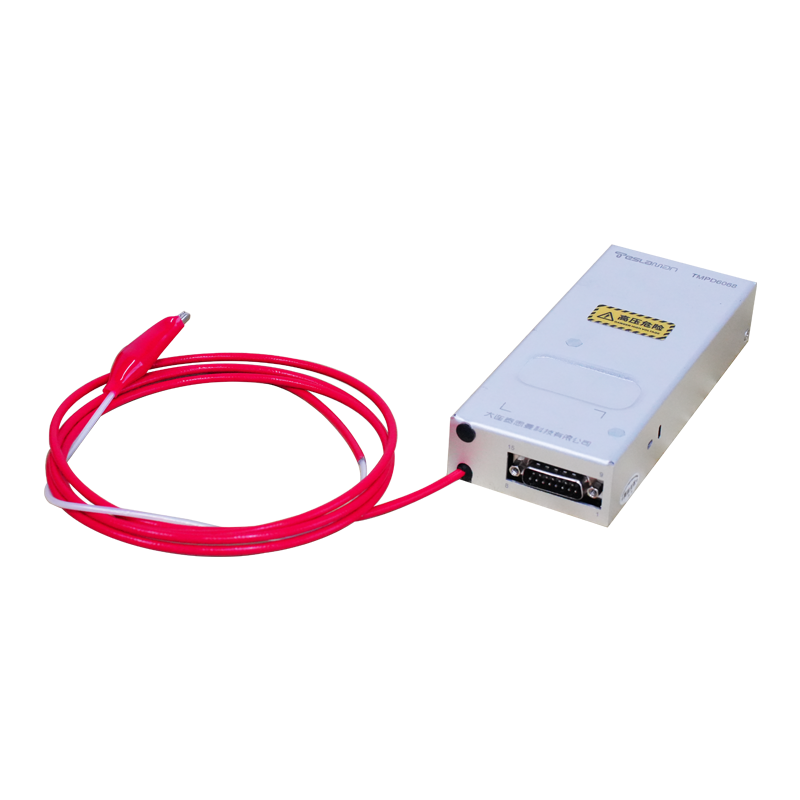
Development Trends of High Voltage Power Supply in Low Temperature Plasma Medical Equipment
Low temperature plasma technology has emerged as a promising therapeutic modality in modern medicine, offering unique capabilities for wound healing, sterilization, cancer treatment, and dental applications. Unlike thermal plasma that reaches extreme temperatures, low temperature plasma operates at near room temperature while generating reactive species that interact with biological tissues. The high voltage power supply is the core component that drives the plasma generation, determining the plasma characteristics, treatment efficacy, and patient safety. The development of high voltage power supplies for medical plasma equipment requires addressing the unique challenges of clinical environments including safety, portability, and treatment reproducibility.
The electrical requirements for low temperature plasma medical devices depend on the specific treatment application and plasma source configuration. Typical operating voltages range from several kilovolts to tens of kilovolts, with currents from milliamps to tens of milliamps depending on the plasma generation method. The power supply must generate stable plasma while maintaining strict control of output parameters to ensure consistent treatment. The load presented by the plasma source varies with gas composition, electrode spacing, and tissue proximity, requiring the power supply to adapt to these variations while maintaining therapeutic plasma characteristics.
Plasma generation mechanisms for medical applications include dielectric barrier discharge, corona discharge, atmospheric pressure plasma jet, and microdischarge configurations. Each mechanism has specific requirements for voltage waveform, frequency, and power level. Dielectric barrier discharge typically requires alternating voltages at kilohertz frequencies. Plasma jets may require pulsed or radio frequency excitation. The power supply must be designed for the specific plasma generation mechanism used in the medical device. The choice of plasma generation method affects both the therapeutic properties and the power supply requirements.
Patient safety is the paramount consideration for medical plasma power supplies. The power supply must incorporate multiple layers of protection including electrical isolation, current limiting, and fault detection. Medical electrical equipment must comply with stringent safety standards that address leakage current, dielectric strength, and protection against electric shock. The power supply must fail safely, meaning that any single component failure must not create a hazard to the patient or operator. Safety design must also consider the interaction between the plasma and biological tissues.
Output parameter control directly affects treatment efficacy and reproducibility. The plasma characteristics that determine therapeutic effect include the density of reactive species, the gas temperature, and the energy flux to the tissue. These characteristics depend on the voltage amplitude, frequency, pulse width, and duty cycle of the power supply output. The power supply must provide precise control of these parameters to enable consistent treatments. Treatment protocols may require specific parameter combinations that must be accurately reproduced for each treatment session.
Portable and compact design is increasingly important for clinical deployment. Medical plasma devices need to be practical for use in clinical settings including hospitals, clinics, and potentially field applications. The power supply must be compact and lightweight while providing the required performance. Battery operation may be required for portable applications. The power supply design must balance performance requirements with size, weight, and power consumption constraints. Miniaturization of high voltage components presents unique challenges due to insulation and clearance requirements.
Electromagnetic compatibility is essential for medical environments. The power supply must not generate electromagnetic interference that could affect other medical equipment such as patient monitors, imaging systems, or pacemakers. The power supply must also be immune to interference from other equipment in the clinical environment. Medical electromagnetic compatibility standards define the allowable emission and immunity levels. The power supply design must include appropriate filtering, shielding, and grounding to meet these requirements.
Gas supply and plasma chemistry considerations affect power supply design. Medical plasma devices may use various working gases including helium, argon, air, or mixtures with reactive gases. The gas composition affects the plasma impedance and the required operating voltage. The power supply must accommodate the range of gas compositions used in the specific medical application. Gas flow rate and pressure also affect plasma characteristics and power supply requirements. The power supply must be coordinated with the gas delivery system for optimal performance.
Treatment monitoring and feedback control enhance therapeutic outcomes. The power supply may incorporate sensors to monitor plasma parameters such as optical emission, electrical characteristics, or temperature. This monitoring data can be used to implement closed-loop control that maintains consistent plasma characteristics despite variations in operating conditions. Feedback control may adjust voltage, frequency, or other parameters in real time to compensate for changes in electrode condition, gas composition, or tissue properties.
Regulatory requirements significantly affect the development process for medical plasma power supplies. Medical devices must undergo rigorous testing and approval processes before clinical use. The power supply must be designed and documented according to quality management standards for medical devices. Electromagnetic compatibility, electrical safety, and biocompatibility must all be demonstrated through testing. The regulatory pathway affects the development timeline and cost, influencing design decisions.
Thermal management is important for both patient safety and device reliability. The power supply generates heat during operation that must be effectively dissipated. Excessive heating of the device could pose a burn risk to patients or operators. The thermal design must ensure that external surfaces remain within safe temperature limits. The power supply components must also be maintained within their rated temperature ranges for reliable operation. Thermal management may include heat sinks, fans, or thermal protection circuits.
Sterilization and infection control requirements affect the mechanical design. Medical devices must be designed to withstand sterilization procedures between uses. The power supply enclosure must prevent fluid ingress during cleaning and sterilization. The device design must minimize crevices and surfaces that could harbor pathogens. Disposable components such as electrode tips may be used to simplify infection control. The power supply design must accommodate the sterilization requirements of the clinical environment.
Clinical workflow integration affects the device design and power supply requirements. The medical plasma device must be easy to set up, operate, and maintain in a clinical setting. The power supply controls and indicators must be intuitive for clinical users. Treatment parameters should be easily selectable and adjustable. The device must integrate with clinical workflows including patient preparation, treatment delivery, and documentation. The power supply design must support these clinical usability requirements.
Emerging applications continue to expand the requirements for medical plasma power supplies. New therapeutic applications including targeted cancer therapy, drug delivery enhancement, and tissue regeneration are being investigated. Each new application may have specific requirements for plasma characteristics and power supply performance. The power supply technology must continue to evolve to support these emerging applications. Collaboration between power supply engineers, plasma physicists, and medical researchers is essential for advancing the field.