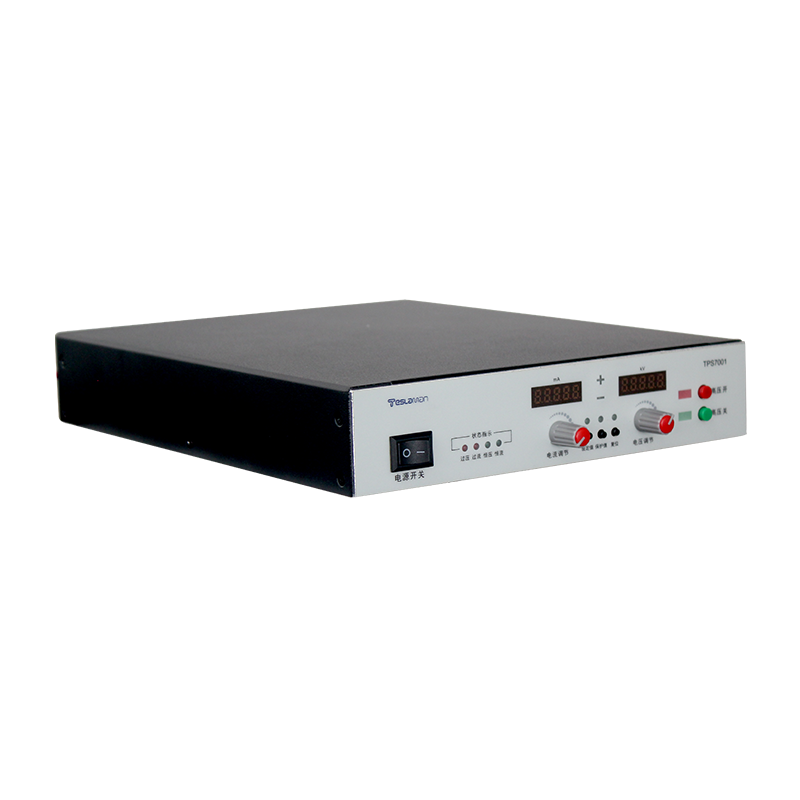
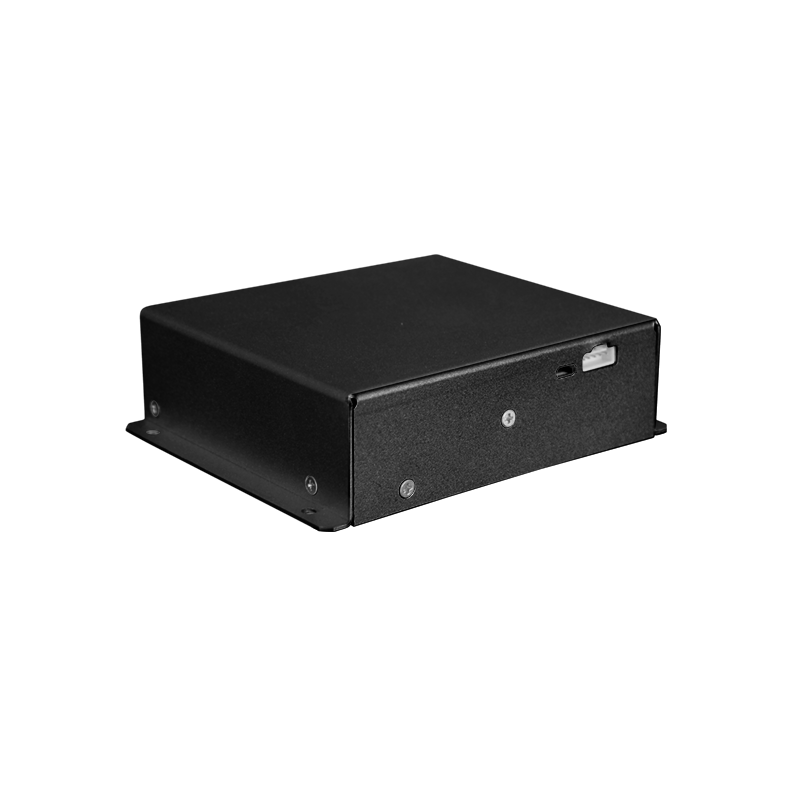
High Speed Circuit Breaking High Voltage Power Supply Scheme for Superconducting Magnet Quench Protection
Superconducting magnets are essential components in applications ranging from magnetic resonance imaging to particle accelerators and fusion reactors. These magnets operate at cryogenic temperatures where certain materials exhibit zero electrical resistance, enabling extremely high current densities and magnetic fields. However, if the superconducting state is lost due to a local temperature excursion or excessive magnetic field, the magnet undergoes a quench, transitioning rapidly to its normal resistive state. During a quench, the stored magnetic energy must be extracted quickly to prevent damage from overheating and overvoltage. The high voltage power supply scheme for quench protection must provide fast energy extraction while managing the resulting high voltages safely.
The electrical requirements for superconducting magnet quench protection depend on the magnet stored energy, operating current, and protection speed requirements. Large superconducting magnets can store energies of tens to hundreds of megajoules. The quench protection system must extract this energy quickly enough to prevent local hotspots from exceeding safe temperature limits. The extraction speed determines the voltage developed across the magnet terminals, which can reach tens of kilovolts for large magnets. The power supply and protection circuit must handle these voltages while safely dissipating the extracted energy.
Quench detection is the first step in the protection sequence. The quench is detected by monitoring the magnet voltage, which rises as the normal zone develops. Balanced voltage measurement techniques compare voltages across different sections of the magnet to distinguish quench voltages from inductive voltages. The detection system must be fast enough to initiate protection before significant energy is deposited in the normal zone. False quench detection must be minimized to avoid unnecessary protection events that disrupt operation. The detection sensitivity must be calibrated for the specific magnet design and operating conditions.
Energy extraction methods determine the quench protection effectiveness. The most common method uses an external resistor connected across the magnet terminals through a circuit breaker. When a quench is detected, the circuit breaker opens, forcing the magnet current through the external resistor. The resistor value determines the current decay rate and the peak voltage developed across the magnet. The power supply scheme must coordinate the circuit breaker operation with the energy dissipation in the external resistor. The energy dissipation capacity of the resistor must match the magnet stored energy.
High speed circuit breaking is critical for effective quench protection. The circuit breaker must open quickly to minimize the time that current continues to flow through the quenching region. Mechanical circuit breakers may be too slow for large magnets where rapid current interruption is essential. Solid-state circuit breakers using power semiconductors can achieve much faster switching but must handle the full magnet current and the resulting voltage. Hybrid circuit breakers combining mechanical and solid-state elements offer a compromise between speed and current capability. The circuit breaker design must be optimized for the specific magnet protection requirements.
Voltage management during quench protection is essential for equipment safety. The rapid current interruption generates high voltages across the magnet terminals and the circuit breaker. These voltages must be limited to safe levels for the magnet insulation and connected equipment. Voltage clamping devices such as metal oxide varistors may be used to limit voltage transients. The insulation system of the magnet and power supply must withstand the quench voltage without breakdown. The voltage management design must consider both the peak voltage and the voltage duration.
Thermal management of the energy extraction resistor is a significant design challenge. The resistor must dissipate the entire stored energy of the magnet during a quench event. For large magnets, this energy can be enormous, requiring resistors with substantial thermal mass or active cooling. The resistor temperature rise must be limited to prevent damage to the resistor itself and surrounding equipment. The thermal design must account for the worst-case quench scenario with maximum stored energy. Multiple resistors may be used in parallel or series to distribute the thermal load.
Coordination with the magnet power supply is essential during quench protection. The magnet power supply must be disconnected from the magnet before the protection circuit is activated to prevent damage to the supply. The power supply must also be protected from the high voltages generated during quench. The coordination sequence must be reliable and fast enough to protect both the magnet and the power supply. The power supply may incorporate its own protection features such as crowbar circuits or reverse current protection.
Multiple magnet protection presents additional complexity. Systems with multiple superconducting magnets may require individual protection for each magnet or coordinated protection for magnet groups. Mutual inductance between magnets can cause induced voltages in non-quenching magnets during a quench event. The protection system must account for these mutual coupling effects. The power supply scheme must coordinate protection across all magnets in the system. The protection design must ensure that a quench in one magnet does not cause damage to other magnets.
Insulation coordination during quench events requires careful analysis. The voltage distribution across the magnet winding during a quench can be non-uniform, with higher voltages appearing across sections near the quench origin. The turn-to-turn and layer-to-layer insulation must withstand these non-uniform voltage stresses. The insulation design must account for the worst-case voltage distribution during a quench. The power supply and protection circuit insulation must also withstand the quench voltages. Insulation testing must verify the voltage withstand capability under quench conditions.
Redundancy and reliability are critical for quench protection systems. The quench protection system must operate reliably when needed because a protection failure can result in catastrophic magnet damage. Redundant quench detection circuits reduce the probability of missed quench detection. Redundant circuit breakers or protection paths ensure that protection can be provided even if one component fails. The protection system must be designed for high reliability with regular testing and maintenance. The reliability analysis must consider all failure modes and their consequences.
Instrumentation and monitoring during quench events provide valuable data for analysis. The quench protection system should record the magnet voltage, current, and protection circuit status during quench events. This data enables analysis of quench propagation, protection effectiveness, and magnet health. Temperature sensors within the magnet provide information about hot spot development. The monitoring data can be used to optimize protection parameters and identify developing problems. The instrumentation must survive the quench event and provide accurate data.
Integration with cryogenic systems affects the quench protection design. The quench generates heat that is transferred to the cryogenic system, potentially causing rapid pressure rise and coolant boil-off. The cryogenic system must accommodate the thermal load from quench events. Pressure relief systems must prevent excessive pressure buildup. The power supply and protection circuit must operate reliably at cryogenic temperatures if located within the cold environment. The integration design must consider the thermal and mechanical interactions between the electrical and cryogenic systems.
Testing and validation of quench protection systems are essential before operation. The protection system must be tested under controlled conditions to verify proper operation. Quench simulation tests can be performed by injecting heaters into the magnet winding to initiate controlled quenches. The protection system response must be measured and compared with design predictions. The testing must cover all protection scenarios including normal quench, fast quench, and multiple magnet quench events. The test results provide confidence in the protection system capability.