Environmental Adaptability Reinforcement Design of High Voltage Power Supply for Waste Automotive Plastic Electrostatic Separation
Recycling of automotive plastics is essential for reducing environmental impact and conserving resources. Electrostatic separation is an effective method for sorting different types of plastics based on their electrical properties. The process uses high voltage to charge plastic particles, which are then separated based on their charge-to-mass ratios. The high voltage power supply for electrostatic separation must operate reliably in harsh recycling environments with dust, humidity, temperature variations, and vibration. Environmental adaptability reinforcement design is essential for achieving reliable operation in these challenging conditions.
The electrical requirements for electrostatic plastic separation depend on the plastic types and separation efficiency requirements. Typical operating voltages range from tens to hundreds of kilovolts, with currents from milliamps to amps depending on the throughput and particle characteristics. The power supply must provide stable output while accommodating the variable load presented by the plastic particles and environmental conditions. The load varies with plastic composition, moisture content, and particle size distribution.
Environmental challenges in recycling facilities are severe. Dust from plastic grinding and handling can accumulate on equipment surfaces. Humidity from outdoor storage and processing can affect electrical insulation. Temperature variations from seasonal changes and process heating can stress components. Vibration from grinding and conveying equipment can cause mechanical fatigue. The power supply must be designed to withstand all these environmental factors.
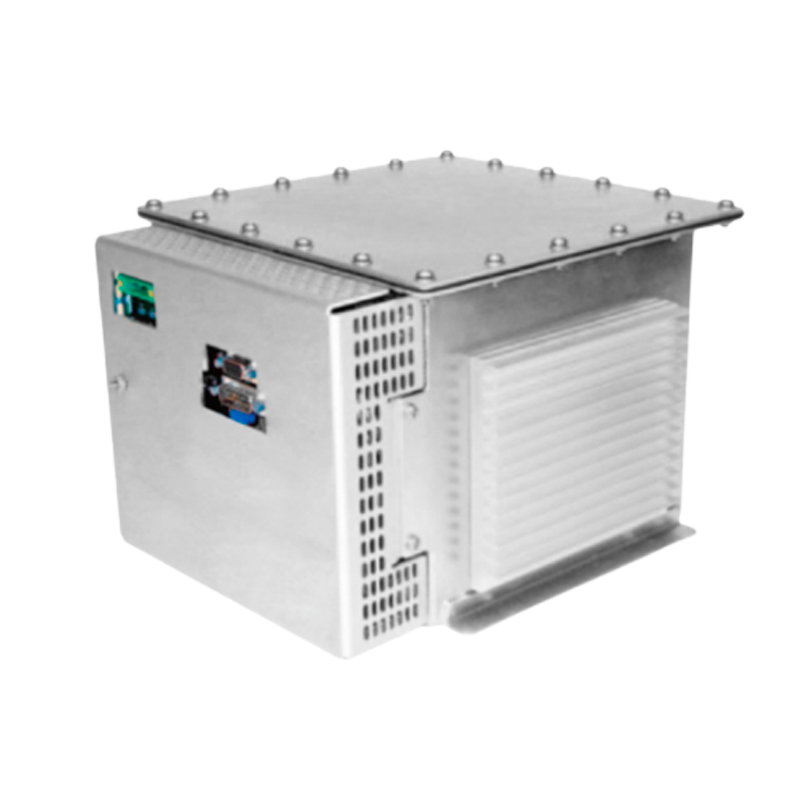
Dust protection is critical for high voltage equipment. Dust accumulation on insulator surfaces can create conductive paths and cause flashover. Dust inside enclosures can contaminate electrical connections and cause failures. The power supply enclosure must provide adequate dust protection through sealing and filtration. Cooling air intake must be filtered to prevent dust ingress. Regular cleaning access must be provided for maintenance.
Humidity protection affects insulation reliability. High humidity can cause condensation on cold surfaces, leading to electrical tracking and corrosion. The insulation materials must be selected for humidity resistance. Conformal coating of circuit boards provides protection against moisture. Heating elements may be used to maintain temperatures above the dew point. The enclosure design must prevent moisture ingress while allowing ventilation.
Temperature management must accommodate wide operating ranges. The power supply may be exposed to temperatures from below freezing to over forty degrees Celsius. Component derating must account for the maximum expected temperature. Thermal management systems must maintain safe operating temperatures under all conditions. Temperature compensation may be required for control circuits. The design must consider both heating and cooling requirements.
Vibration resistance is essential for industrial environments. The power supply may be mounted on equipment that experiences significant vibration. Mechanical design must prevent fatigue failures of connections and components. Mounting methods must isolate vibration where possible. Component selection must consider vibration specifications. The enclosure must be rigid enough to prevent flexing that could damage internal components.
Corrosion protection is important for long-term reliability. The recycling environment may contain corrosive gases from plastic decomposition or other sources. Metal parts must be protected by appropriate coatings or materials selection. Connectors and terminals must be corrosion-resistant. The enclosure finish must withstand the corrosive environment. Regular inspection and maintenance can identify corrosion before it causes failures.
Electrical insulation must be robust for harsh environments. The insulation system must maintain adequate dielectric strength despite contamination and humidity. Creepage and clearance distances must be increased to account for surface contamination. Insulation materials must be selected for resistance to tracking and erosion. Regular cleaning and inspection maintain insulation integrity.
Cooling system design must consider environmental constraints. Forced air cooling may draw in contaminated air that can damage components. Closed-loop cooling systems isolate internal components from the environment. Liquid cooling provides effective heat removal but adds complexity. The cooling design must balance effectiveness with environmental protection. Maintenance access for cleaning and filter replacement must be provided.
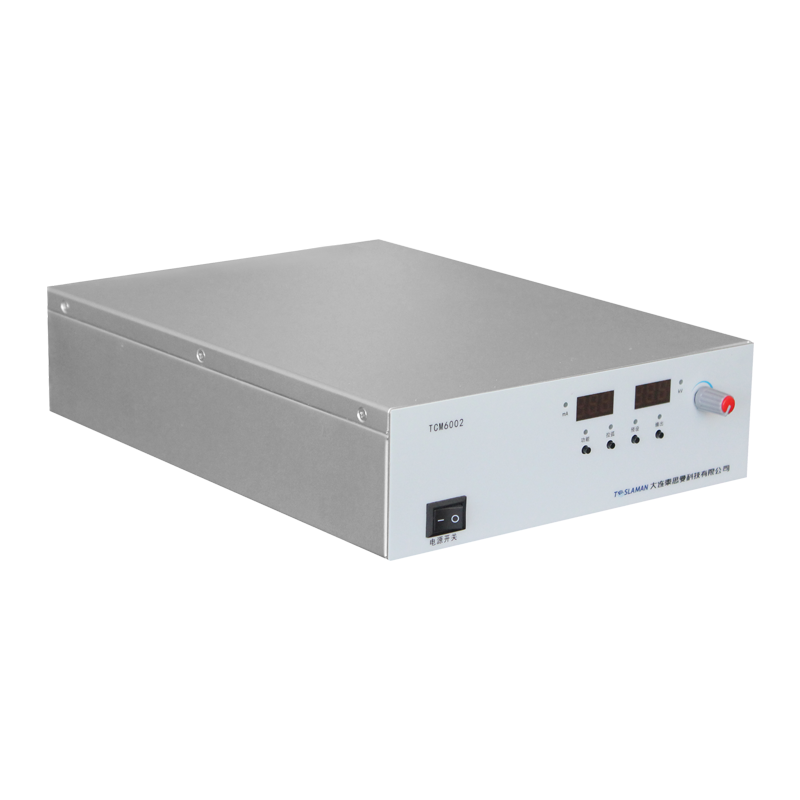
Control system reliability is essential for consistent operation. The control electronics must be protected from environmental factors. Sealed enclosures with appropriate ratings provide protection. User interfaces must be designed for industrial environments with appropriate protection against dust and moisture. Remote monitoring enables early detection of developing problems. The control system must maintain accuracy despite environmental variations.
Maintenance accessibility is important for equipment uptime. Components that require regular maintenance must be easily accessible. Replacement parts must be readily available. Maintenance procedures must be straightforward to minimize downtime. Design for maintainability reduces the total cost of ownership. The maintenance schedule must be appropriate for the environmental severity.
Safety systems must function reliably in harsh environments. Interlocks, grounding systems, and fault detection must operate correctly despite contamination and wear. Safety system components must be selected for environmental resistance. Regular testing ensures that safety systems remain functional. The safety design must account for environmental effects on system performance.
Regulatory compliance affects environmental protection requirements. Environmental regulations may require specific enclosure ratings for dust and moisture protection. Safety standards define requirements for electrical equipment in industrial environments. The power supply must meet all applicable standards for the intended application. Compliance testing verifies that the design meets the requirements.
Future recycling applications will demand even more robust equipment. Increasing automation requires higher reliability and longer maintenance intervals. New plastic types may require different separation parameters. The power supply technology must continue to advance to support these evolving requirements. Research into environmental protection techniques and reliability improvement will enable better performance in harsh recycling environments.