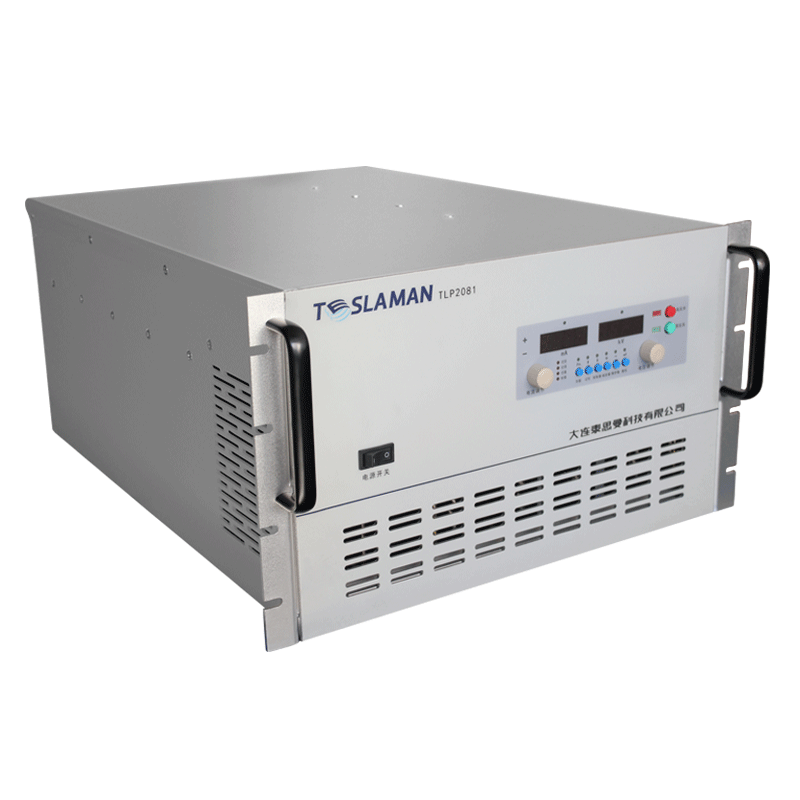
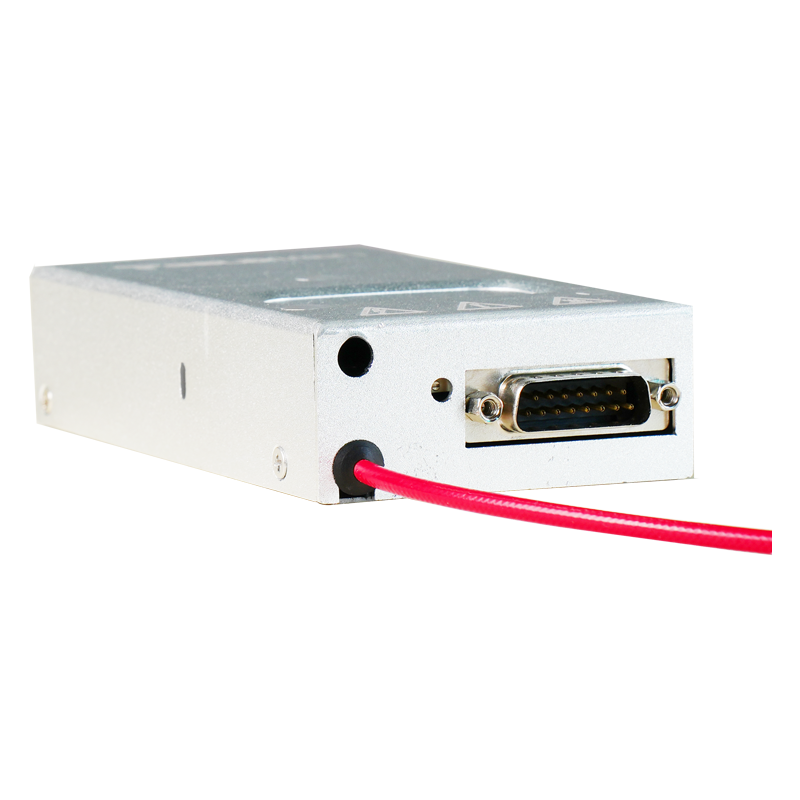
Anti-Paint Mist Contamination Design of High Voltage Power Supply for Automotive Coating Electrostatic Spray Rotary Cup
Electrostatic spray painting is widely used in automotive manufacturing to achieve uniform, high-quality paint finishes with minimal overspray. The rotary cup atomizer uses centrifugal force to create a fine paint mist that is charged by a high voltage electrode. The charged paint particles are attracted to the grounded workpiece, providing efficient transfer and uniform coverage. The high voltage power supply operates in an environment saturated with paint mist that can contaminate and degrade electrical components. Anti-contamination design is essential for reliable operation and long service life.
The electrical requirements for electrostatic spray power supplies depend on the paint type and application requirements. Typical operating voltages range from tens to hundreds of kilovolts, with currents from microamperes to milliamperes. The power supply must provide stable output while the load varies with paint flow and workpiece geometry. The output must be isolated from ground to enable the electrostatic attraction. The power supply must operate reliably in the harsh paint booth environment.
Electrostatic spray fundamentals involve charging and deposition of paint particles. The rotary cup spins at high speed, creating a thin film of paint at the cup edge. The paint is atomized into fine droplets as it leaves the cup edge. The high voltage electrode charges the droplets, typically to tens of kilovolts. The charged droplets follow electric field lines to the grounded workpiece. The electrostatic force improves transfer efficiency and wrap-around coverage.
Contamination sources include direct paint deposition and airborne mist. Paint particles can deposit directly on the power supply surfaces. Airborne mist can penetrate enclosures through ventilation openings. The contamination accumulates over time and can cause electrical tracking, short circuits, and component failure. The design must prevent contamination from reaching sensitive components.
Enclosure design is the primary defense against contamination. Sealed enclosures prevent paint mist from entering. The enclosure rating should be appropriate for the environment, typically IP65 or higher. The enclosure material must resist paint solvents and cleaning agents. The enclosure must maintain its seal over the operating temperature range and through thermal cycling.
Connector and cable protection prevents contamination entry through electrical interfaces. Sealed connectors maintain the enclosure integrity. Cable glands provide sealed entry for cables. The cables themselves must resist paint contamination. Specialized high voltage cables with solvent-resistant jackets are available. The cable routing should minimize exposure to overspray.
Cooling system design must balance thermal management with contamination prevention. Forced air cooling can draw contaminated air into the enclosure. Closed-loop cooling systems isolate internal components from the environment. Heat exchangers can transfer heat without air exchange. The cooling design must maintain safe operating temperatures while preventing contamination.
Surface treatment of external components reduces paint adhesion. Non-stick coatings prevent paint from sticking to surfaces. Smooth surfaces allow paint to run off before it dries. Hydrophobic coatings repel water-based paints. The surface treatment must be compatible with the cleaning procedures.
Cleaning access facilitates maintenance. Removable covers allow access for cleaning. The design should minimize areas where paint can accumulate. Smooth transitions prevent paint buildup in corners. The cleaning procedure should be straightforward and effective.
High voltage component protection is particularly important. High voltage surfaces are more susceptible to tracking when contaminated. Corona shields can prevent excessive field enhancement. Potting compounds can protect high voltage circuits. The high voltage output must be designed for the contaminated environment.
Filter systems can protect ventilation openings. Coalescing filters remove paint mist from incoming air. The filters must be accessible for replacement. The filter effectiveness must be maintained over the service interval. The filter housing must not create contamination traps.
Material selection affects long-term reliability. Plastics must resist paint solvents without degrading. Metals must resist corrosion from paint components. Elastomers must maintain sealing properties in the chemical environment. The material selection should be validated for the specific paint chemistry.
Testing and validation verify contamination resistance. Accelerated contamination testing simulates long-term exposure. The testing should include the expected paint types and cleaning procedures. Electrical performance is monitored during and after exposure. The validation ensures reliable operation in the actual environment.
Maintenance procedures must be practical for production environments. The maintenance schedule should be appropriate for the contamination rate. Spare parts should be readily available. The maintenance procedures should minimize downtime. Training ensures proper execution of maintenance tasks.