Reliability of High Voltage Solar Power Supply for Cathodic Protection of Long-distance Oil and Gas Pipeline
Cathodic protection systems prevent corrosion of buried and submerged metallic structures by making them the cathode of an electrochemical cell. Long-distance oil and gas pipelines extend through remote areas where grid power is unavailable. Solar power supplies provide the electrical energy for cathodic protection in these locations. The reliability of these power supplies directly affects pipeline integrity and safety. Understanding the reliability requirements enables design of robust solar-powered cathodic protection systems.
Cathodic protection principles involve electrochemical corrosion prevention. The pipeline is made the cathode of an electrochemical cell. Anode ground beds complete the circuit with the surrounding soil. Current flow from the anode to the pipeline protects against corrosion. The protection current density depends on coating quality and soil conditions. The power supply must provide appropriate voltage and current for effective protection.
Solar power system components include multiple elements that must work together. Solar panels convert sunlight to electrical energy. Charge controllers regulate battery charging. Batteries store energy for operation during darkness. The high voltage power supply converts battery voltage to the required output. Monitoring systems track performance and protection levels. Each component affects overall system reliability.
Environmental challenges for solar power supplies in pipeline applications are significant. Remote locations limit maintenance access. Temperature extremes affect component performance and life. Dust accumulation reduces solar panel output. Lightning exposure creates surge risks. Wildlife and vandalism may cause damage. The system must be designed for autonomous operation in harsh conditions.
Solar panel reliability depends on quality and installation. Panel degradation reduces output over time. Cell cracking from thermal cycling or impact reduces performance. Connection failures interrupt power generation. Panel orientation affects energy harvest. Mounting structures must withstand wind and weather. Panel cleaning may be required in dusty environments.
Battery system reliability is critical for continuous operation. Battery capacity must support operation through extended cloudy periods. Temperature affects battery capacity and life. Overcharging and over-discharging damage batteries. Battery management systems protect against abuse conditions. Battery replacement scheduling must be planned for remote locations.
Charge controller reliability affects battery health and system performance. Maximum power point tracking optimizes energy harvest. Temperature compensation adjusts charging for battery conditions. Low voltage disconnect prevents battery damage. Controller failure modes must not compromise battery safety. Redundant controllers may be required for critical applications.
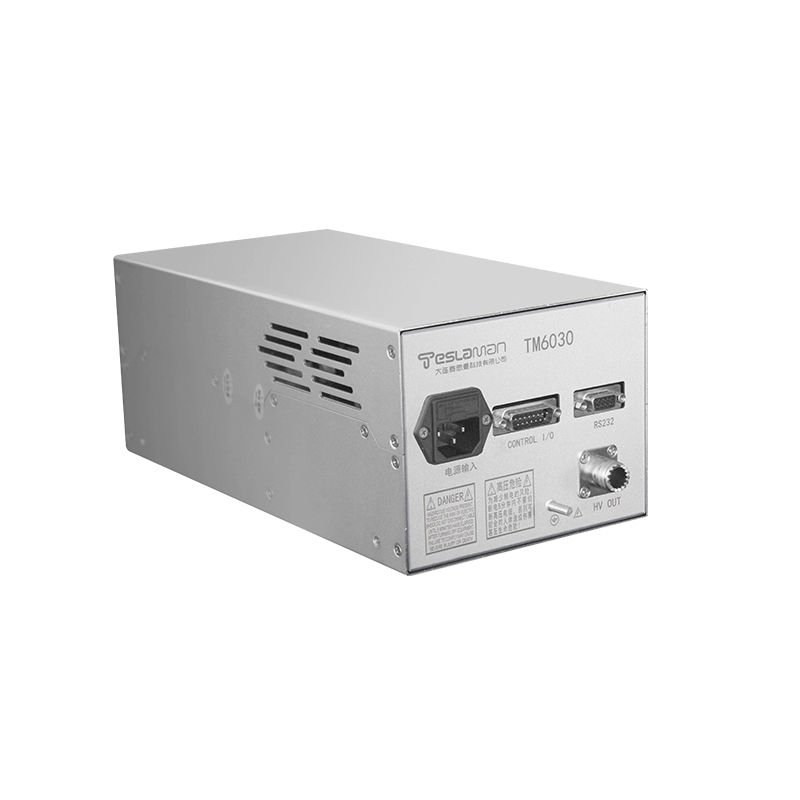
High voltage power supply design for reliability requires attention to multiple factors. Component derating reduces stress and extends life. Thermal management prevents overheating. Protection circuits prevent damage from fault conditions. Conformal coating protects against moisture and contamination. Robust construction withstands environmental exposure.
Monitoring system reliability enables proactive maintenance. Remote monitoring reduces site visit requirements. Data logging tracks performance trends. Alarm systems notify operators of abnormal conditions. Communication systems must be reliable in remote locations. Monitoring enables early detection of developing problems.
Reliability analysis techniques support design decisions. Failure mode and effects analysis identifies potential failure modes. Fault tree analysis evaluates combinations of failures. Reliability block diagrams model system structure. Mean time between failures calculations quantify reliability. The analysis guides design improvements and maintenance planning.
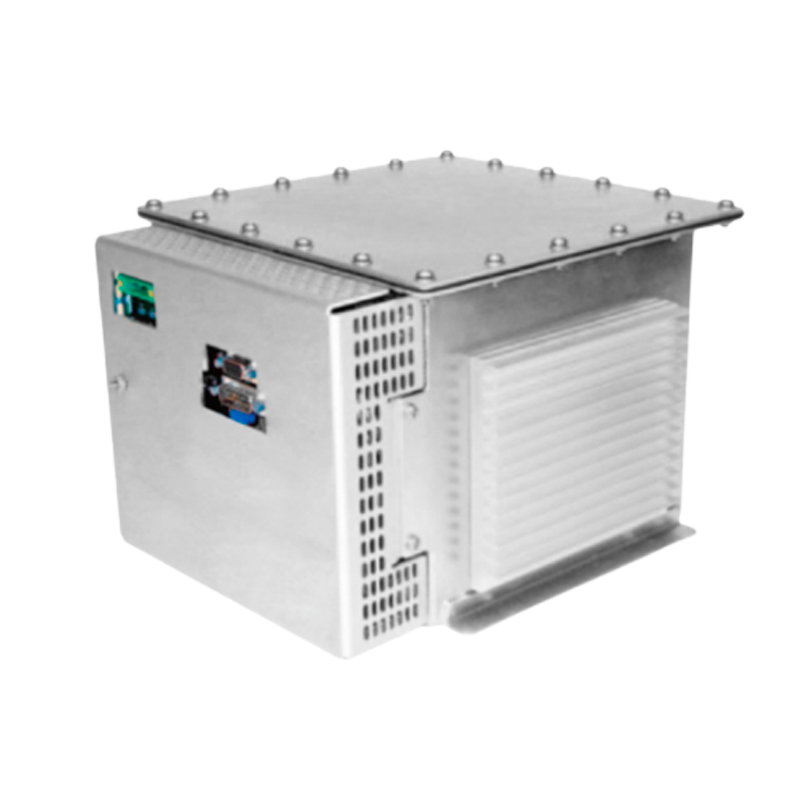
Environmental protection measures enhance reliability. Enclosures protect against weather and wildlife. Surge protection guards against lightning. Corrosion protection prevents deterioration of exposed components. Cable protection prevents damage from animals and weather. Proper grounding ensures safety and performance.
Maintenance strategies for remote systems must be carefully planned. Preventive maintenance reduces failure probability. Condition-based maintenance responds to monitoring data. Corrective maintenance addresses failures when they occur. Spare parts inventory must be appropriate for remote locations. Maintenance personnel must have appropriate training and equipment.
Performance verification ensures continued protection effectiveness. Periodic surveys verify protection levels. Test stations enable measurement of pipe-to-soil potentials. Current measurements verify power supply output. Data analysis identifies developing problems. Performance records support maintenance planning and regulatory compliance.