Stress Compensation Study of Zone-partitioned High Voltage Power Supply for 300mm Silicon Wafer Electrostatic Chuck
Electrostatic chucks secure silicon wafers during semiconductor processing using electrostatic attraction. The 300mm wafer size presents challenges for uniform chucking across the entire surface. Zone-partitioned chuck designs divide the chuck into independently controlled zones. High voltage power supplies for each zone enable stress compensation across the wafer. Understanding the stress compensation requirements enables optimization of wafer chucking systems.
Electrostatic chuck operation principles involve electrostatic attraction. The chuck electrode is biased at high voltage. The electric field induces charge in the wafer. The attractive force holds the wafer against the chuck. The force must be uniform for consistent processing. The chuck must release the wafer cleanly after processing.
300mm wafer challenges include size and uniformity requirements. The large wafer area requires uniform chucking force. Temperature variations across the wafer cause stress. Process non-uniformities can cause wafer distortion. The chuck must accommodate these variations. The chucking must not introduce additional stress.
Zone partitioning divides the chuck into independently controlled regions. Each zone has its own electrode and power supply. The zones can be controlled independently. The zone configuration depends on the chuck design. Common configurations include concentric rings and rectangular zones. The partitioning enables localized control.
Stress compensation principles involve adjusting zone voltages. Different zones apply different voltages. The voltage differences create force variations. The force variations compensate for stress non-uniformity. The compensation must be optimized for each wafer. The compensation must respond to process variations.
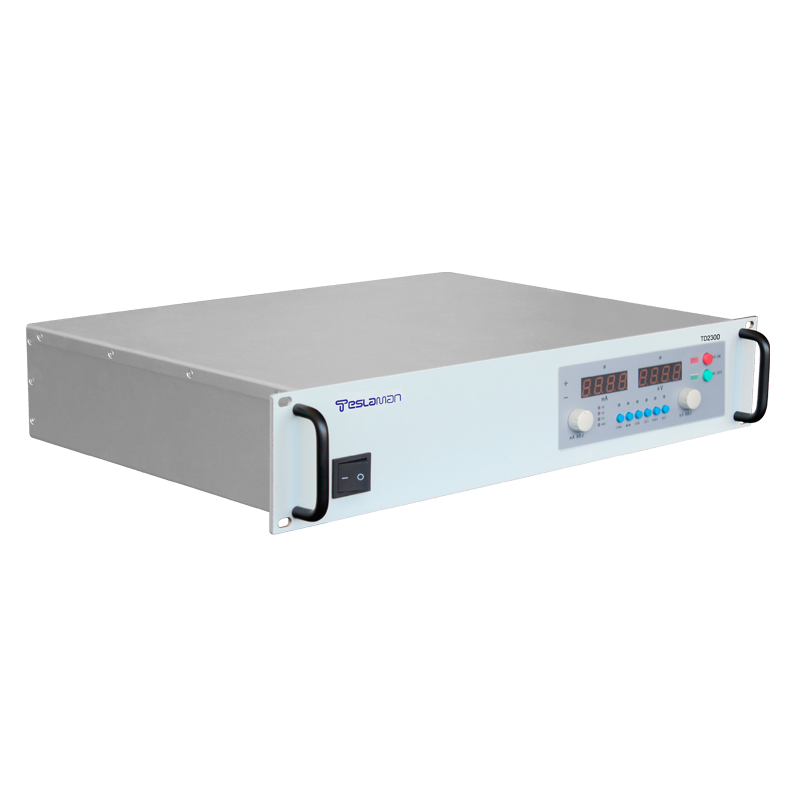
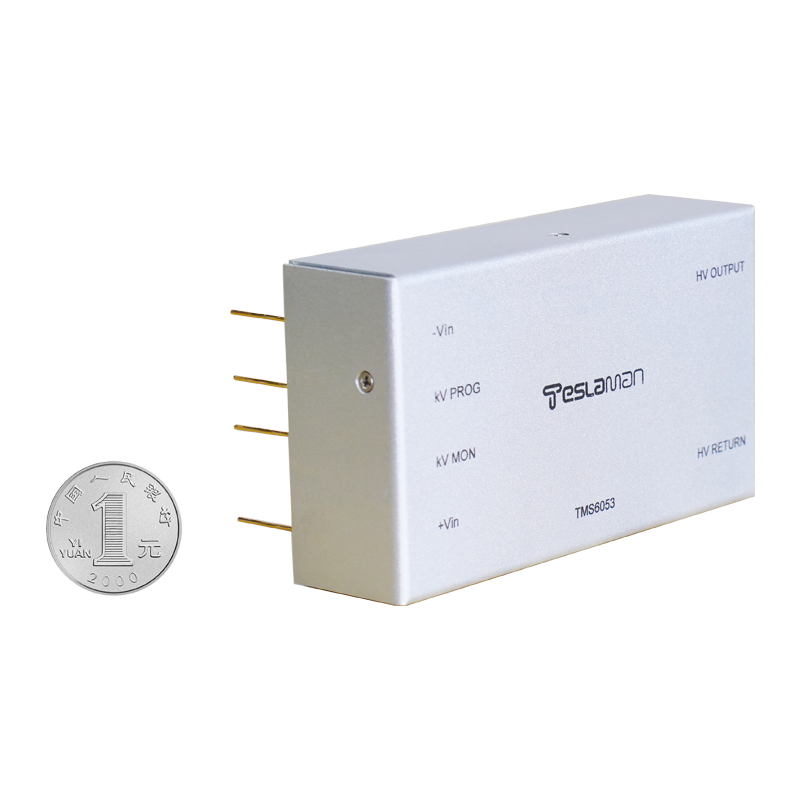
High voltage power supply requirements for zone control are demanding. Each zone requires independent voltage control. The voltage range must cover the chucking requirements. The voltage resolution must enable fine adjustment. The response must be fast enough for process control. The supplies must not interfere with each other.
Control system architecture for zone control requires integration. The zone voltages must be coordinated. The coordination must achieve uniform stress. The control must respond to process feedback. The architecture must support the compensation algorithms. The control must be reliable for production.
Stress measurement enables feedback for compensation. Wafer curvature indicates stress distribution. Temperature mapping indicates thermal stress. Process monitoring indicates process variations. The measurement enables adaptive compensation. The measurement must be accurate and timely.
Compensation algorithms calculate the zone voltages. The algorithms use stress measurements as input. The algorithms optimize the voltage distribution. The optimization minimizes the stress non-uniformity. The algorithms must be validated for effectiveness. The algorithms must be practical for production.
Process integration affects the compensation implementation. The compensation must integrate with the process sequence. The compensation must respond to process changes. The compensation must not interfere with processing. The integration must support the overall process. The integration must be seamless.
Calibration of zone control ensures accurate compensation. The relationship between voltage and force must be known for each zone. The calibration must account for wafer variations. The calibration must be maintained over time. The calibration data enable accurate compensation. The calibration procedure must be practical.
Reliability of zone control systems is important. The power supplies must operate reliably. The control system must be robust. Failures must be detected and handled. The reliability must be appropriate for production. The reliability design must be comprehensive.
Maintenance of zone control systems ensures continued performance. The power supplies must be maintained. The calibration must be verified. The control algorithms must be updated. The maintenance must minimize downtime. The maintenance program must support production.
Future developments in zone control continue to advance. More zones enable finer control. Faster response enables dynamic compensation. Advanced algorithms enable better optimization. The development must support the process requirements. The zone control must continue to improve.