Multi-needle Plate Independent Addressing Control Technology for Three-dimensional Pattern Electrostatic Flocking High Voltage Power Supply
Electrostatic flocking applies short fibers to adhesive-coated surfaces to create textured materials. Three-dimensional pattern flocking creates raised designs with visual and tactile appeal. Multi-needle plate electrodes enable selective flocking of specific areas. Independent addressing control of each needle enables pattern generation. Understanding the control requirements enables development of advanced flocking systems.
Electrostatic flocking fundamentals involve fiber charging and deposition. Short fibers are charged in an electric field. The charged fibers align with the field lines. The fibers accelerate toward the adhesive-coated surface. The fibers embed in the adhesive to create the flock. The flock density depends on the field strength and fiber supply.
Three-dimensional pattern requirements are demanding. Different areas require different flock densities. The pattern must be precisely defined. The transition between areas must be sharp. The pattern must be reproducible. The flocking must create the desired visual effect.
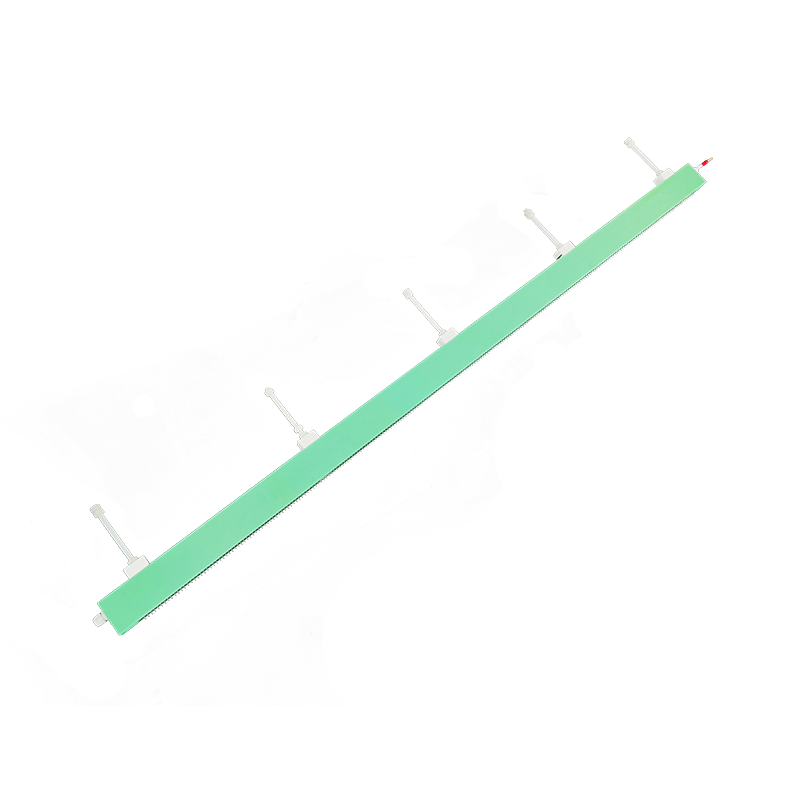
Multi-needle plate electrode configuration enables pattern control. Multiple needles are arranged in a plate. Each needle creates a localized field. The field from each needle affects the local flocking. The needle pattern defines the flocking pattern. The needle configuration must be designed for the application.
Independent addressing control enables selective flocking. Each needle is controlled independently. The voltage on each needle can be varied. The variation creates different flocking conditions. The addressing enables pattern generation. The control must be precise and reliable.
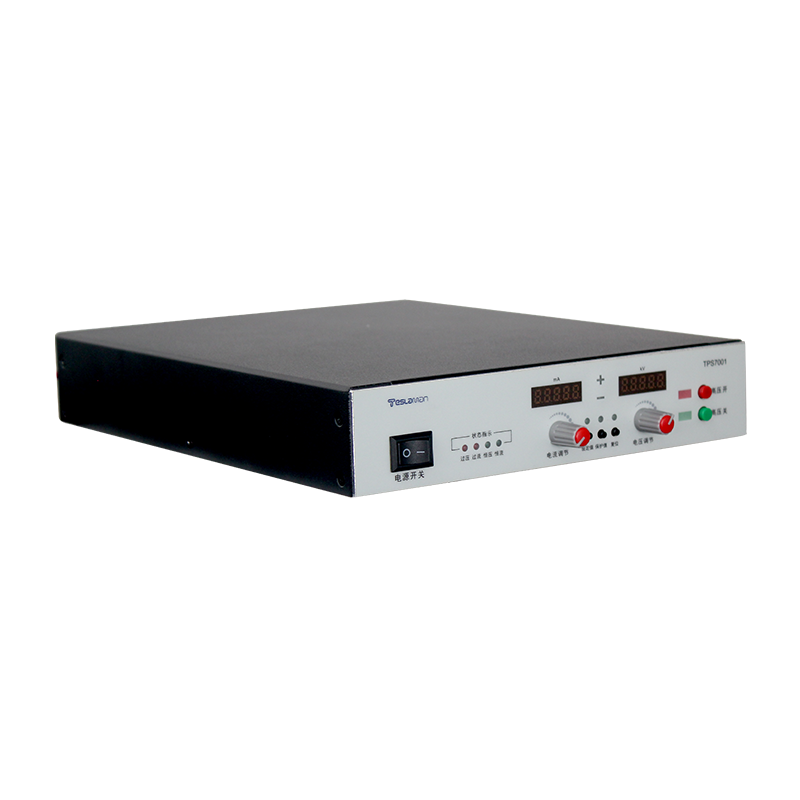
High voltage requirements for flocking are moderate. Typical voltages range from 20 to 60 kilovolts. The voltage determines the field strength. The field strength affects the fiber alignment. The voltage must be appropriate for the fiber type. The power supply must support the addressing requirements.
Power supply architecture for multi-needle control is complex. Each needle requires independent voltage control. Multiple power supplies may be required. Alternatively, switching can distribute a single supply. The architecture must be practical for the needle count. The architecture must support the control requirements.
Switching approaches for voltage distribution include several methods. Mechanical switching is slow and limited. Electronic switching enables fast addressing. The switching must handle the high voltage. The switching must not cause interference. The switching approach must be reliable.
Control system architecture must support the addressing. The control must address each needle independently. The control must enable pattern definition. The control must support pattern storage. The control must be user-friendly. The architecture must be practical for production.
Pattern definition requires appropriate software. The pattern must be defined in software. The software must translate to needle addresses. The translation must be accurate. The software must be intuitive for users. The pattern definition must support the design requirements.
Timing control affects the flocking quality. The voltage application timing affects the fiber deposition. The timing must be coordinated with the substrate motion. The timing must be precise for sharp patterns. The timing control must be reliable. The timing must support the production speed.
Fiber supply coordination affects the flocking uniformity. The fiber supply must be coordinated with the voltage. The coordination affects the flock density. The supply must be uniform across the pattern. The coordination must be maintained during operation. The supply system must be reliable.
Quality monitoring enables process control. Visual inspection detects pattern defects. Density measurement verifies the flocking quality. The monitoring enables feedback control. The monitoring must be appropriate for the production. The quality data support process optimization.
Optimization of flocking parameters requires systematic approach. The voltage affects the fiber alignment. The timing affects the pattern definition. The fiber supply affects the density. The optimization must consider all factors. The methodology must be practical for production.