Triggering of Triple-pulse Laser High Voltage Power Supply for Stereoscopic Particle Tracking Velocimetry
Stereoscopic particle tracking velocimetry enables three-dimensional velocity field measurements in fluid flows. Triple-pulse laser systems provide sequential illumination for tracking particle motion. The high voltage power supply triggers the laser pulses with precise timing. Accurate triggering is essential for correct velocity measurement. Understanding the triggering requirements enables development of effective velocimetry systems.
Particle tracking velocimetry principles involve imaging tracked particles. Small particles are seeded into the flow. The particles follow the fluid motion. Laser pulses illuminate the particles. Cameras capture images of the illuminated particles. The particle positions are tracked between images to determine velocity.
Stereoscopic measurement provides three-dimensional information. Multiple cameras view the measurement volume from different angles. The different views enable triangulation of particle positions. The three-dimensional positions enable three-dimensional velocity measurement. The calibration must be accurate for correct triangulation.
Triple-pulse laser operation enables velocity and acceleration measurement. Three sequential pulses illuminate the particles at known times. The three positions enable velocity and acceleration calculation. The pulse timing determines the velocity resolution. The pulse energy determines the illumination intensity. The laser must provide consistent pulses.
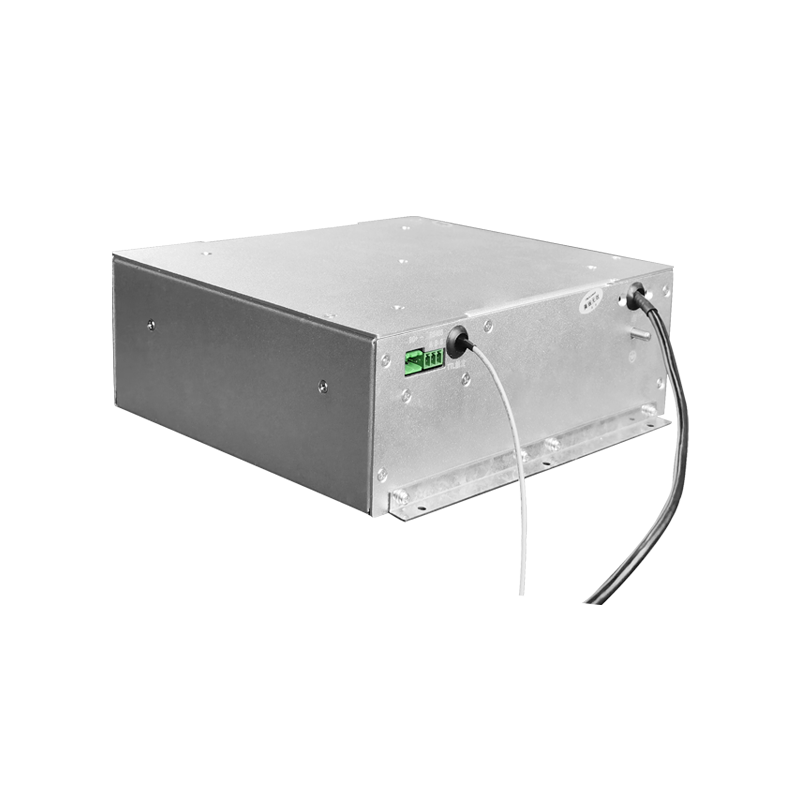
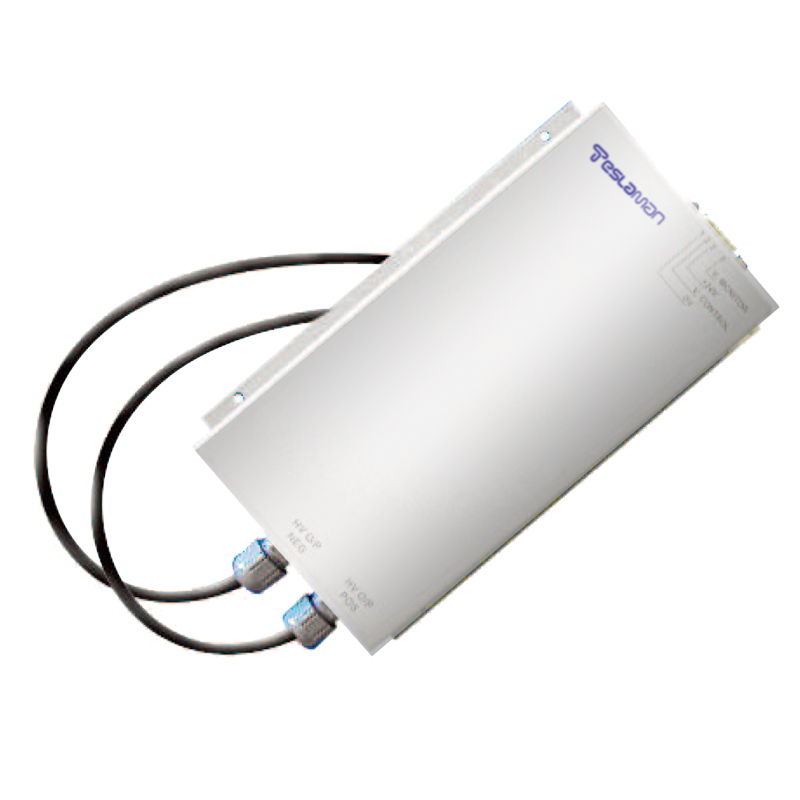
High voltage power supply functions in laser systems include triggering. The Q-switch requires high voltage for pulse generation. The flashlamp requires high voltage for pumping. The timing of these voltages determines the pulse timing. The power supply must provide precise timing control. The triggering must be accurate and repeatable.
Trigger timing requirements are demanding. The pulse timing must be precise for accurate velocity. The timing jitter must be minimized. The jitter affects the velocity uncertainty. The timing must be synchronized between pulses. The timing accuracy must be appropriate for the measurement.
Trigger synchronization between lasers is critical. Multiple lasers may be used for illumination. The lasers must be synchronized precisely. The synchronization determines the pulse sequence. The synchronization must be maintained during operation. The synchronization system must be reliable.
Trigger signal generation requires precise control. The trigger signals must have accurate timing. The signals must have adequate amplitude. The signals must have clean edges. The trigger generation must be reliable. The trigger system must be designed for the application.
Delay control enables adjustable timing. The delay between pulses can be adjusted. The adjustment enables optimization for different flows. The delay resolution affects the timing precision. The delay must be programmable. The delay control must be accurate.
Jitter reduction techniques improve the timing precision. Low-jitter trigger sources minimize the inherent jitter. Careful circuit design reduces added jitter. Shielding prevents interference-induced jitter. The jitter must be characterized and minimized. The jitter performance affects the measurement quality.
Repetition rate capability affects the measurement throughput. Higher rates enable more measurements per second. The rate is limited by the laser and power supply. The thermal management must handle the average power. The repetition rate must match the flow dynamics. The rate must be appropriate for the application.
Synchronization with cameras is essential. The cameras must capture images at the correct times. The camera exposure must coincide with the laser pulses. The synchronization must be precise. The synchronization system must coordinate all components. The coordination must be reliable.
Environmental considerations affect the triggering. Temperature variations can affect timing circuits. Vibration can affect optical alignment. Electromagnetic interference can cause jitter. The environmental design must be robust. The system must operate reliably.
Calibration of timing verifies the accuracy. The pulse timing must be measured. The measurement must be traceable to standards. The calibration must be performed regularly. The calibration data enable accurate velocity calculation. The calibration must be documented.
Validation of triggering performance requires comprehensive testing. Timing measurement verifies the precision. Velocity measurement verifies the accuracy. Long-term testing verifies the reliability. The testing must be comprehensive. The validation must confirm the design approach.