Energy-saving Optimal Operation Mode of High Frequency High Voltage Power Supply for Sintering Machine Head Electrostatic Precipitator
Sintering machines in steel production generate significant particulate emissions. Electrostatic precipitators at the machine head capture these particles. High frequency high voltage power supplies energize the precipitator. Energy-saving operation reduces operating costs while maintaining emission compliance. Understanding the optimization requirements enables efficient precipitator operation.
Sintering process emissions are substantial. The sintering process generates dust and fumes. The emissions contain particulate matter. The emissions must be controlled for environmental compliance. The precipitator must handle high dust loading. The operation must be reliable.
Electrostatic precipitator operation principles involve particle charging and collection. The discharge electrodes generate ions. The ions charge the particles. The electric field drives particles to collection plates. The collected particles are removed by rapping. The efficiency depends on the operating conditions.
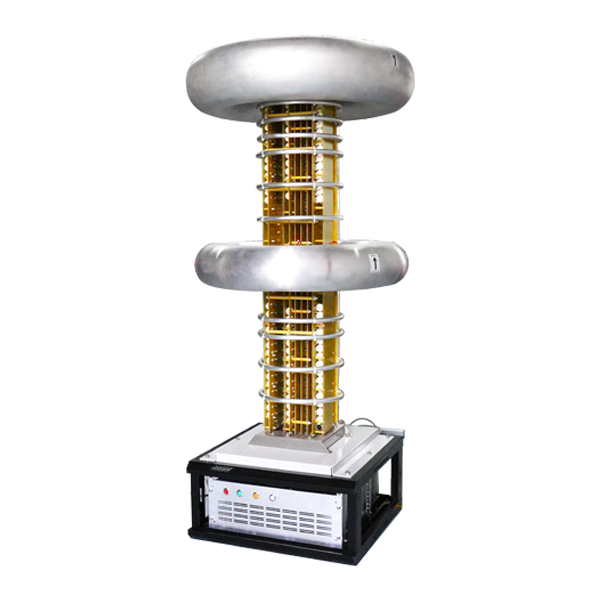
High frequency power supply advantages include several benefits. Smaller size and weight. Better efficiency. Faster response. Improved control. The advantages make high frequency attractive for precipitators.
Energy consumption in precipitators is significant. The power supply consumes electrical energy. The energy consumption affects operating cost. The consumption varies with operating conditions. The energy must be minimized while maintaining performance. The optimization must balance efficiency and emissions.
Operating parameters affect the energy consumption. The voltage level affects the power draw. The current level affects the power. The rapping frequency affects the efficiency. The gas flow affects the collection. The parameters must be optimized.
Voltage optimization balances efficiency and collection. Higher voltage improves collection. Higher voltage increases power consumption. The voltage must be optimized for the conditions. The optimization must consider the dust properties. The voltage must be maintained near the optimum.
Current optimization affects the power draw. The current depends on the corona discharge. Excessive current wastes energy. Insufficient current reduces collection. The current must be appropriate. The current must be controlled.
Pulse energization can improve efficiency. Pulsed operation reduces average power. The peak voltage can be higher. The higher peak improves charging. The energy savings can be significant. The pulse parameters must be optimized.
Automatic voltage control optimizes the operation. The controller adjusts voltage based on conditions. The control responds to sparking. The control maintains optimal voltage. The automatic control improves efficiency. The control must be properly tuned.
Load following capability matches the conditions. The dust loading varies with sintering. The power supply must adapt to variations. The adaptation maintains efficiency. The load following must be responsive. The following must be stable.
Emission monitoring ensures compliance. Particulate monitors measure the outlet concentration. The monitoring verifies the performance. The monitoring enables feedback control. The monitoring must be continuous. The monitoring must be accurate.
Energy monitoring quantifies the savings. Power meters measure the consumption. The measurement enables optimization. The data support cost analysis. The monitoring must be accurate. The data must be analyzed.
Maintenance affects the energy efficiency. Clean electrodes operate more efficiently. Proper rapping maintains collection. The maintenance must be regular. The maintenance program must support efficiency. The maintenance must be documented.
Economic analysis justifies the optimization. Energy cost savings are calculated. Emission penalty avoidance is considered. The analysis must be comprehensive. The analysis must be updated. The economics must support the investment.