Exploration of Energy Recovery Circuit for High Voltage Power Supply for Dielectric Elastomer Generator
Dielectric elastomer generators represent an emerging technology for converting mechanical energy into electrical energy through the deformation of soft capacitive materials. These devices operate on the principle of variable capacitance, where stretching a dielectric elastomer membrane reduces its capacitance while maintaining the stored charge, thereby increasing the voltage and electrical energy. The high voltage power supply plays a crucial role in biasing the generator and managing the energy transfer cycles. Effective energy recovery circuits are essential for achieving practical efficiency in these systems.
The operating cycle of a dielectric elastomer generator involves several distinct phases that must be carefully coordinated. Initially, the membrane is in a relaxed state with minimal capacitance. A bias voltage is applied to charge the membrane to an initial voltage level. The membrane is then mechanically stretched, which increases its area and decreases its thickness, thereby increasing the capacitance. During stretching, the charge remains approximately constant while the voltage decreases due to the increased capacitance. The membrane is then allowed to relax while maintaining the charge, causing the voltage to increase as the capacitance decreases. Finally, the increased electrical energy is extracted from the membrane, completing the cycle.
The energy gain in each cycle depends on the ratio of maximum to minimum capacitance and the operating voltage range. Higher capacitance ratios provide greater energy gain per cycle, but practical elastomer materials have limits on the achievable deformation. The operating voltage must remain within a range that avoids both electrical breakdown at high voltages and inefficient operation at low voltages. The bias voltage and extraction voltage must be carefully chosen to maximize energy harvest while maintaining reliable operation.
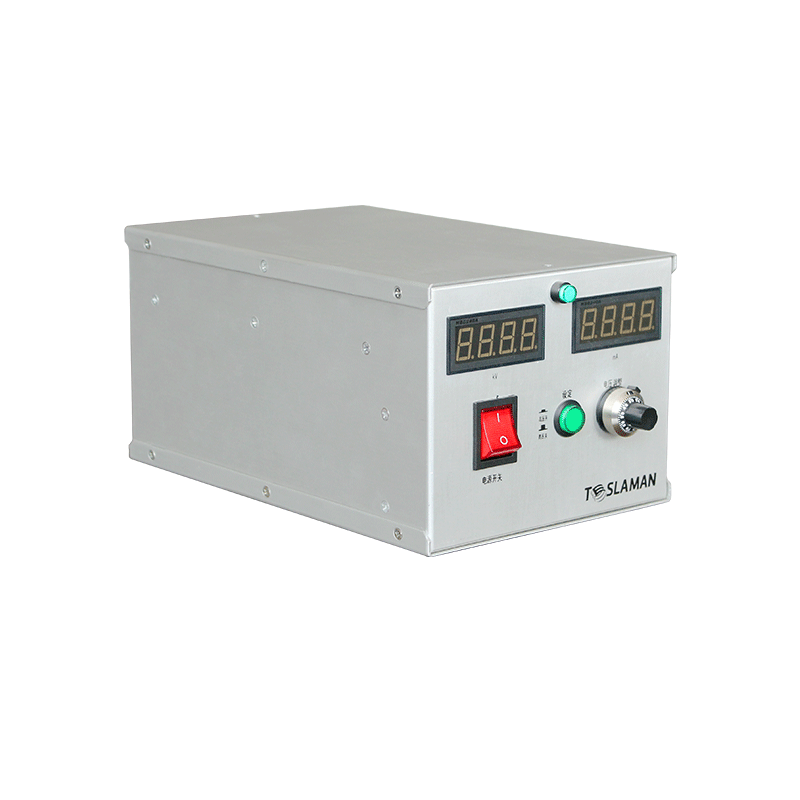
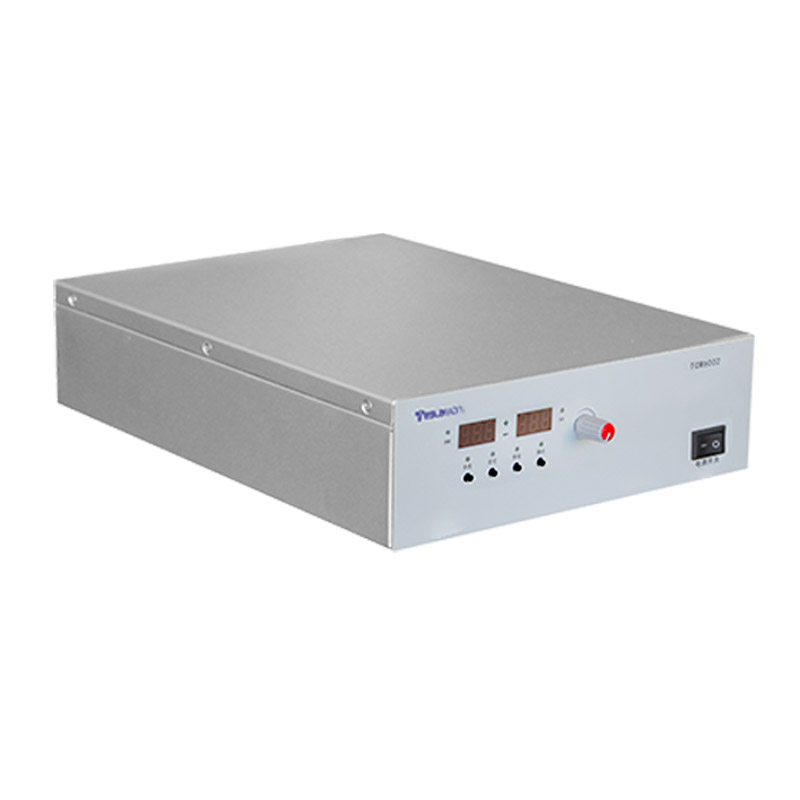
The high voltage power supply for a dielectric elastomer generator must perform several functions beyond simple voltage generation. It must provide the initial bias charge to the membrane at the beginning of each cycle. It must maintain the charge during the stretching and relaxation phases, presenting a very high impedance to prevent charge leakage. It must efficiently extract the energy at the end of the cycle, converting the high voltage back to a usable form. These functions require sophisticated circuit design that goes beyond conventional power supply topologies.
Energy recovery circuits aim to capture and reuse the energy that would otherwise be dissipated during the charging and discharging processes. In a simple implementation, the bias voltage is supplied from a DC source and the harvested energy is dissipated in a load resistor. This approach is inefficient because the energy invested in charging the membrane is largely lost during discharge. A more sophisticated approach uses inductive elements to transfer energy between the membrane and storage capacitors, recovering most of the invested energy along with the harvested mechanical energy.
Resonant converter topologies offer advantages for energy recovery in dielectric elastomer generators. By operating at the resonant frequency of an LC circuit, energy can be transferred between the membrane capacitance and an inductor with minimal loss. The resonant approach naturally generates the sinusoidal voltage waveforms that are well-suited to the cyclic operation of the generator. Multiple resonant circuits can be combined to handle different phases of the operating cycle, with switches controlling the energy flow between circuits.
The design of energy recovery circuits must account for the variable capacitance of the dielectric elastomer membrane. As the membrane stretches and relaxes, its capacitance changes by a significant factor, affecting the resonant frequency of any LC circuit connected to it. This variability complicates the control of resonant converters, requiring adaptive tuning or robust design that maintains efficiency across the operating range. Alternative topologies that are less sensitive to capacitance variation may be preferred for some applications.
High voltage switching elements are critical components in energy recovery circuits. The switches must handle voltages ranging from hundreds to thousands of volts while conducting currents that may vary widely during the cycle. Fast switching speed minimizes energy loss during transitions, but may generate electromagnetic interference that requires filtering. The switch on-resistance affects efficiency during conduction, particularly for circuits with high duty cycles. Silicon carbide and gallium nitride devices offer superior performance compared to traditional silicon switches for high voltage applications.
Control strategies for energy recovery circuits must synchronize the electrical operations with the mechanical deformation cycle. Sensors may be used to detect the membrane position and trigger the appropriate electrical operations at the correct times. Alternatively, the electrical circuit may be designed to self-synchronize with the mechanical cycle through appropriate impedance relationships. The control system must also manage startup, shutdown, and fault conditions to protect the generator and power electronics.
Practical implementation of dielectric elastomer generators with energy recovery circuits faces several challenges beyond the circuit design itself. The dielectric elastomer material must withstand repeated cycling without degradation, and the electrodes must maintain conductivity while accommodating large deformations. The mechanical system must efficiently convert the input mechanical energy, whether from ocean waves, wind, or human motion, into the stretching and relaxation of the membrane. Integration of all these elements into a reliable, efficient system requires multidisciplinary engineering effort.