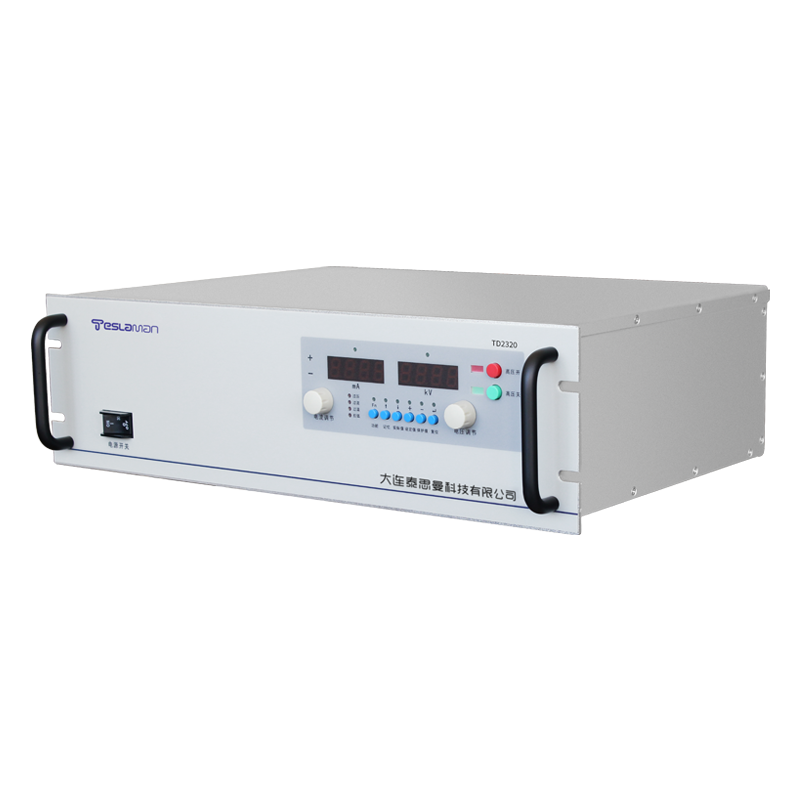
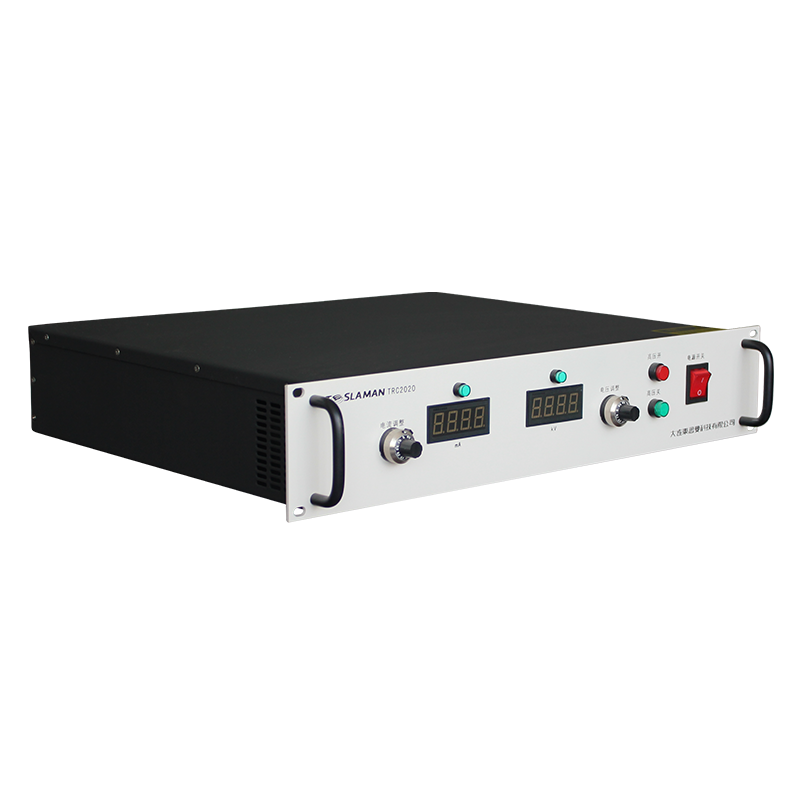
Dust-proof, Waterproof and High Altitude Adaptability Design of Standard Rack-mounted High Voltage Power Supply
Standard rack-mounted high voltage power supplies are deployed in diverse environments ranging from clean laboratory settings to harsh industrial facilities. The equipment must operate reliably despite exposure to dust, moisture, and varying atmospheric pressure conditions. Design for dust-proof, waterproof, and high altitude adaptability ensures that the power supply can meet the requirements of demanding applications in challenging environments.
Dust contamination can cause multiple problems in high voltage power supplies. Conductive dust particles can create leakage paths across insulation surfaces, reducing the insulation resistance and potentially causing tracking or flashover. Dust accumulation on heat sinks and ventilation openings can reduce cooling effectiveness, leading to elevated component temperatures. Dust can also contaminate connectors and switches, causing intermittent contact or increased contact resistance.
Dust protection is typically achieved through enclosure design and air filtration. The enclosure provides a physical barrier that prevents dust from entering the power supply. The ingress protection rating system provides standardized classification of the degree of protection against solid objects and dust. IP5X ratings indicate dust-protected enclosures that allow limited dust ingress without affecting operation. IP6X ratings indicate dust-tight enclosures that completely prevent dust ingress.
Forced air cooling requires special consideration for dust protection. Air intake openings must be filtered to remove dust particles from the cooling air. The filter must remove particles of the size that could cause problems while maintaining adequate airflow. The filter must be accessible for cleaning or replacement as part of routine maintenance. The filter loading must be monitored to prevent excessive pressure drop that would reduce cooling effectiveness.
Water and moisture can cause severe problems in high voltage power supplies. Water ingress can cause short circuits, corrosion, and insulation degradation. High humidity can cause condensation on cool surfaces, creating temporary leakage paths. Corrosive atmospheres combined with moisture can accelerate the degradation of metal components and connections.
Waterproof design uses sealed enclosures to prevent water ingress. The ingress protection rating system classifies the degree of protection against water. IPX1 through IPX6 ratings indicate protection against various levels of water exposure from dripping water to powerful water jets. IPX7 and IPX8 ratings indicate protection against temporary or continuous immersion. The appropriate rating depends on the expected exposure conditions.
Sealing methods include gaskets, O-rings, and potting compounds. Gaskets provide sealing between mating surfaces of the enclosure. O-rings provide sealing for cable glands, connectors, and access panels. Potting compounds encapsulate electronic assemblies to provide both environmental protection and mechanical support. The sealing materials must be selected for compatibility with the expected environmental conditions over the equipment lifetime.
Condensation prevention is important for equipment that experiences temperature cycling or operates in high-humidity environments. Sealed enclosures can trap moisture inside, leading to condensation when the temperature drops. Desiccants can absorb moisture within sealed enclosures. Breather vents with moisture barriers allow pressure equalization while preventing moisture ingress. Heaters can maintain the internal temperature above the dew point to prevent condensation.
High altitude operation presents challenges related to reduced atmospheric pressure. The air density decreases with altitude, reducing the effectiveness of convective cooling. Components may operate at higher temperatures at altitude unless the cooling system is designed to compensate. The reduced air density also affects the dielectric strength of air, potentially reducing the clearance requirements for high voltage insulation.
Derating for altitude is commonly applied to account for the reduced cooling effectiveness. The power capability of the power supply may be reduced at higher altitudes to maintain acceptable component temperatures. The derating factor depends on the altitude and the specific cooling design. Alternatively, the cooling system can be oversized to provide adequate cooling at the maximum altitude without derating.
High voltage insulation at altitude requires special consideration. The breakdown voltage of air gaps decreases with decreasing pressure, following Paschen's law. The clearance distances that are adequate at sea level may be insufficient at high altitude. The insulation design must account for the minimum expected operating pressure. Alternatively, sealed enclosures can maintain internal pressure to avoid altitude effects on insulation.
Connector and cable design must account for environmental requirements. Connectors must provide adequate sealing when mated and may need protective covers when unmated. Cables must have appropriate jacket materials for the expected environmental exposure. Cable glands must maintain the enclosure seal around the cable entry. The complete interconnection system must maintain the environmental protection throughout the installation.
Testing and validation verify that the power supply meets the environmental specifications. Dust testing exposes the equipment to specified dust conditions and verifies continued operation. Water testing subjects the equipment to various water exposure conditions. Altitude testing operates the equipment in reduced-pressure chambers to simulate high-altitude conditions. These tests provide confidence that the power supply will perform reliably in the intended environment.