Lightweight and Efficiency Improvement Design of High Voltage Power Supply for Microwave Oven Magnetron
Microwave ovens have become ubiquitous appliances in households and commercial kitchens worldwide. The magnetron is the heart of the microwave oven, generating the microwave energy that heats the food. The high voltage power supply that powers the magnetron represents a significant portion of the oven cost, weight, and energy consumption. Improvements in the lightweight design and efficiency of this power supply can enhance the overall performance and market competitiveness of microwave ovens.
The magnetron is a vacuum tube that converts electrical energy into microwave radiation through the interaction of electrons with a resonant cavity structure. The magnetron requires a high voltage, typically around four kilovolts, applied between the cathode and anode to accelerate electrons. The electrons interact with the magnetic field from permanent magnets and the electric fields in the resonant cavities to generate microwave oscillation. The power output of the magnetron depends on the applied voltage and current.
Traditional microwave oven power supplies use a high voltage transformer to step up the line voltage to the required level. The transformer is a heavy, bulky component that contributes significantly to the oven weight. The transformer also has losses that reduce the overall efficiency of the power supply. The transformer-based design is simple and reliable but offers limited opportunities for weight reduction and efficiency improvement.
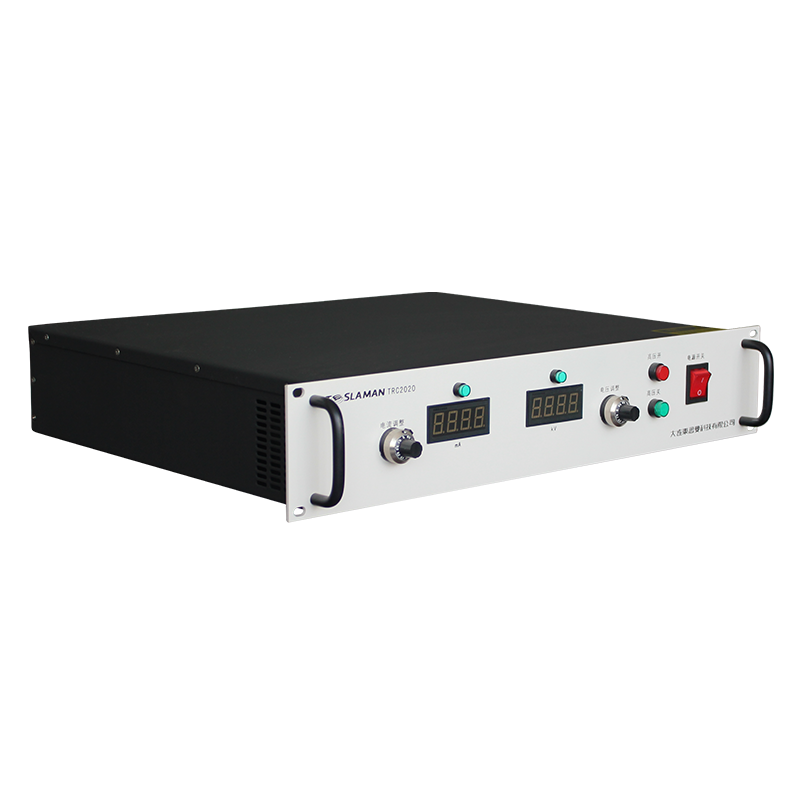
Inverter-based power supplies offer an alternative approach that can reduce weight and improve efficiency. The inverter converts the line voltage to high frequency AC, which is then transformed to high voltage using a high-frequency transformer. The high-frequency transformer can be much smaller and lighter than the line-frequency transformer used in traditional designs. The inverter also enables precise control of the output power by varying the switching frequency or duty cycle.
The high-frequency transformer design is critical for achieving lightweight and efficient operation. The transformer core material must have low losses at the switching frequency. Ferrite cores are commonly used for high-frequency applications due to their low core losses. The winding design must minimize copper losses while providing the required voltage transformation and isolation. The transformer geometry must be optimized for thermal management and compact packaging.
The power semiconductors in the inverter must handle the high voltage and current requirements. Insulated gate bipolar transistors or power MOSFETs can be used depending on the voltage and frequency requirements. The switching losses in these devices contribute to the overall power dissipation. Soft switching techniques can reduce the switching losses by ensuring that the switching transitions occur when the voltage or current is near zero.
Efficiency improvement requires attention to all loss mechanisms in the power supply. Conduction losses in the switches, diodes, and windings can be reduced by using lower resistance components or by reducing the current through better design. Switching losses can be reduced by using faster switches or by implementing soft switching. Core losses can be reduced by using better core materials or by optimizing the flux swing. The efficiency improvements must be balanced against cost and complexity.
Thermal management affects both the weight and efficiency of the power supply. Components that generate heat require cooling to maintain acceptable temperatures. Heatsinks add weight and volume to the power supply. Forced air cooling using fans adds complexity and power consumption. The thermal design must efficiently remove the heat while minimizing the weight and complexity of the cooling system.
Electromagnetic compatibility is a concern for inverter-based power supplies. The high-frequency switching generates electromagnetic interference that can affect other equipment and may not meet regulatory requirements. Filtering and shielding add weight and cost to the power supply. The electromagnetic compatibility design must be integrated with the overall power supply design to minimize the impact on weight and efficiency.
Reliability considerations affect the design choices. The traditional transformer-based design has proven reliability over decades of production. Inverter-based designs have additional components that could fail, potentially affecting the overall reliability. The component selection and design margins must ensure that the inverter-based design achieves acceptable reliability for consumer appliance applications.
Cost considerations are important for consumer appliance applications. The inverter-based design may have higher component costs than the traditional design, particularly for the power semiconductors and the high-frequency transformer. The cost difference must be justified by the performance benefits such as weight reduction, efficiency improvement, and cooking performance enhancement. Manufacturing considerations such as assembly complexity and test requirements also affect the overall cost.
Regulatory requirements for safety and electromagnetic compatibility must be met by the power supply design. The high voltage presents safety hazards that must be addressed through insulation, interlocks, and protective circuits. The electromagnetic emissions must comply with applicable standards. The power supply must also meet energy efficiency standards that are becoming increasingly stringent in many markets.