Effect of High Voltage Electrostatic Assisted Freezing on Meat Water Holding Capacity and Power Supply Parameters
Meat quality depends significantly on water holding capacity, which affects juiciness, tenderness, and cooking yield. Traditional freezing methods can cause ice crystal formation that damages cellular structures and reduces water holding capacity upon thawing. High voltage electrostatic assisted freezing has emerged as a promising technology for improving frozen meat quality. The power supply parameters significantly affect the electrostatic field characteristics and the resulting quality improvements.
Water holding capacity refers to the ability of meat to retain its own water during processing and storage. When meat is frozen, ice crystals form and grow, potentially disrupting the cellular structure. Large ice crystals cause more damage to cell membranes and protein structures. Upon thawing, the damaged structures cannot retain water effectively, leading to drip loss and reduced quality. Controlling ice crystal formation during freezing can minimize this damage.
Electrostatic assisted freezing applies a high voltage electrostatic field during the freezing process. The electric field influences the nucleation and growth of ice crystals through several proposed mechanisms. The field may affect the orientation of water molecules, promoting more uniform nucleation. The field may influence the movement of ions and the formation of ice crystal nuclei. The result is typically smaller, more uniformly distributed ice crystals that cause less cellular damage.
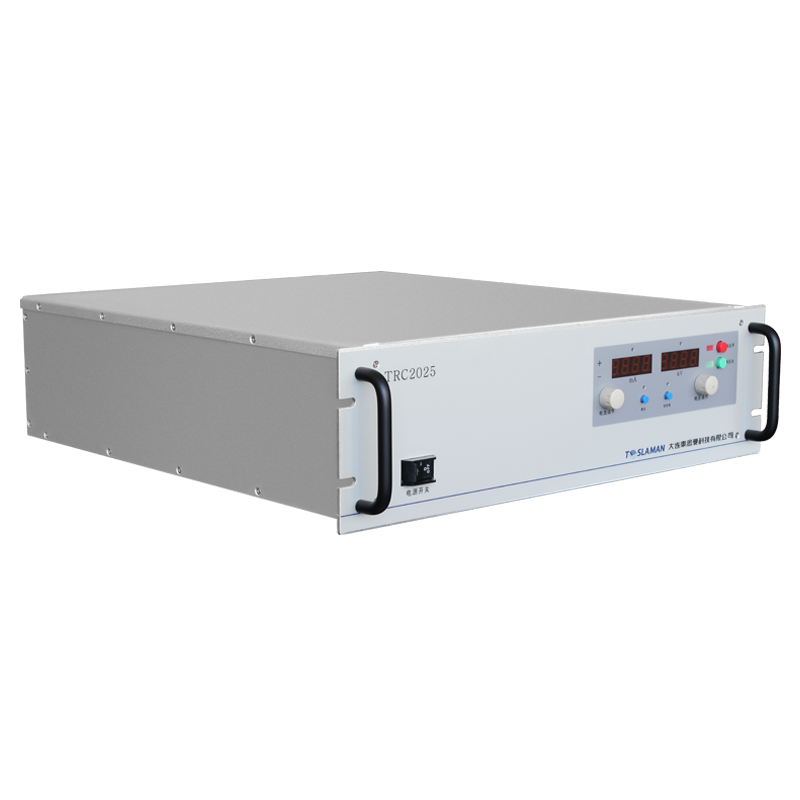
The high voltage power supply generates the electrostatic field between electrodes positioned around the meat sample. Typical operating voltages range from several kilovolts to tens of kilovolts, depending on the electrode configuration and the sample size. The electric field strength at the meat surface determines the effectiveness of the treatment. The power supply must provide stable voltage throughout the freezing process.
The voltage level affects the electric field strength and the treatment effectiveness. Higher voltages produce stronger fields that may provide greater effects on ice crystal formation. However, excessive voltages may cause electrical discharge or unwanted heating. The optimal voltage depends on the meat type, sample geometry, and freezing conditions.
The field exposure timing affects the treatment results. The electrostatic field may be applied continuously throughout freezing, or only during specific phases such as nucleation or temperature plateau. Some studies suggest that field application during the nucleation phase is most critical for controlling ice crystal size. The power supply control must enable precise timing of field application.
The electrode configuration affects the field distribution within the meat sample. Parallel plate electrodes produce a relatively uniform field between the plates. Point or wire electrodes produce non-uniform fields with high field concentrations near the electrode. The electrode geometry must be designed to provide appropriate field distribution across the sample volume.
The freezing rate interacts with the electrostatic treatment effects. Fast freezing generally produces smaller ice crystals than slow freezing. The electrostatic field may provide additional benefits beyond those achieved by fast freezing alone. The combination of electrostatic treatment and optimized freezing rate may provide the best quality results.
Meat quality assessment after thawing quantifies the treatment effectiveness. Drip loss measurement quantifies the water lost during thawing. Cooking loss measurement quantifies the water lost during cooking. Texture analysis measures the tenderness and other mechanical properties. Sensory evaluation assesses the eating quality attributes. These measurements correlate with the power supply parameters to identify optimal treatment conditions.
Different meat types may respond differently to electrostatic assisted freezing. Muscle structure, fat content, and water content vary among meat types. Poultry, pork, beef, and seafood may each have optimal treatment parameters. Research is needed to characterize the treatment effects for each application.
Process scale-up from laboratory to industrial production requires consideration of practical constraints. Laboratory studies typically use small samples in controlled conditions. Industrial applications require continuous processing of large quantities. The power supply must be scaled appropriately while maintaining the field characteristics. The treatment uniformity must be maintained across larger sample volumes.
Energy consumption considerations affect the practical viability of electrostatic assisted freezing. The power supply consumes energy to generate and maintain the electrostatic field. The energy cost must be justified by the quality improvement achieved. Optimization of the power supply parameters can minimize energy consumption while maintaining treatment effectiveness.