Biological Effects and Mechanisms of High Voltage Electrostatic Field on Plant Growth Promotion
The application of electric fields to plants has been studied for decades, with evidence that appropriate field exposure can enhance plant growth, yield, and stress resistance. The high voltage electrostatic field creates a controlled electrical environment that influences plant physiology through multiple mechanisms. Understanding these biological effects and their underlying mechanisms is essential for developing practical applications in agriculture and horticulture.
Plants naturally exist in electric fields generated by atmospheric phenomena. The fair weather electric field at the Earth's surface is approximately one hundred volts per meter. During thunderstorms, fields can reach tens of kilovolts per meter. Plants have evolved in this electrical environment and may have mechanisms for sensing and responding to electric fields.
Applied electrostatic fields can influence plant growth through several proposed mechanisms. One mechanism involves the effect of the field on ion transport across cell membranes. The field can modify the membrane potential and affect the activity of ion channels. Changes in ion fluxes can trigger signaling cascades that affect gene expression and metabolism.
Another mechanism involves the production of reactive oxygen species in response to the electric field. Reactive oxygen species are signaling molecules in plants, involved in stress responses and growth regulation. Moderate levels of reactive oxygen species can stimulate defense mechanisms and growth, while excessive levels cause oxidative damage. The electric field may modulate the balance of reactive oxygen species production.
The field may also affect the movement of charged particles in the plant environment. Pollen grains, spores, and other biological particles carry electric charge. The field can influence their movement and deposition, potentially affecting pollination and disease transmission. This effect may be beneficial or detrimental depending on the application.
Experimental studies have shown various effects of electric fields on plants. Enhanced germination rates have been reported for seeds exposed to electric fields before planting. Increased growth rates, larger biomass, and earlier flowering have been observed in field-exposed plants. Improved stress resistance to drought, salinity, and pathogens has been reported. However, results vary between species and experimental conditions.
The field parameters are critical for the biological effects. The field strength determines the force on charged particles and the potential across cell membranes. Too weak a field may have no effect, while too strong a field can cause damage. The exposure duration affects the cumulative effect. Continuous exposure may have different effects than pulsed exposure.
The direction of the field relative to the plant orientation may matter. Vertical fields parallel to the plant axis may have different effects than horizontal fields. The field direction affects the distribution of charges and the forces on different parts of the plant.
Different plant species respond differently to electric fields. Species with larger cells, thinner cell walls, or different membrane compositions may be more or less sensitive. The developmental stage also affects sensitivity, with young seedlings often more responsive than mature plants. These variations complicate the development of general recommendations.
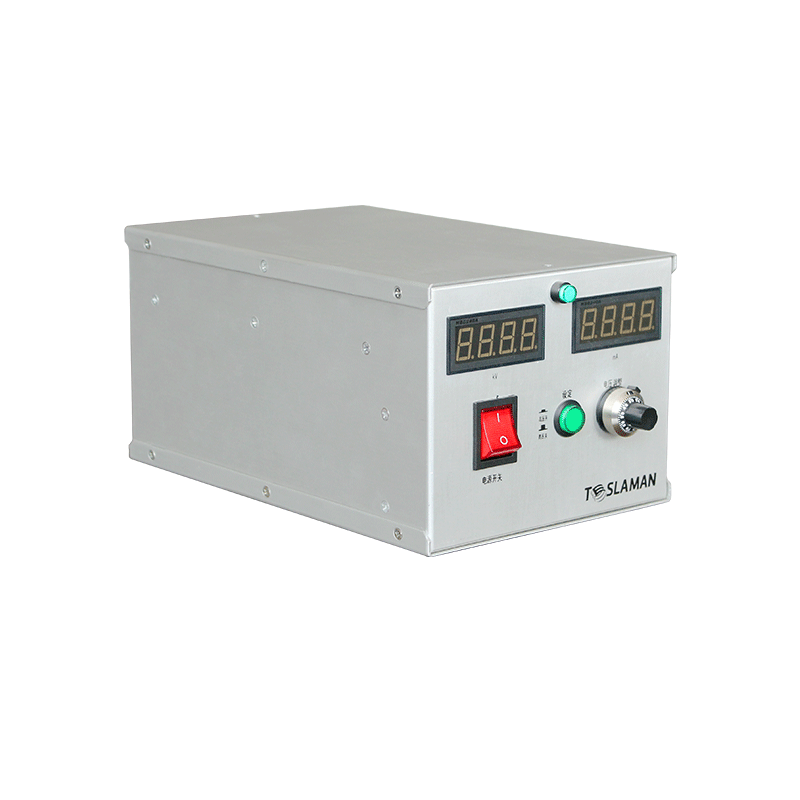
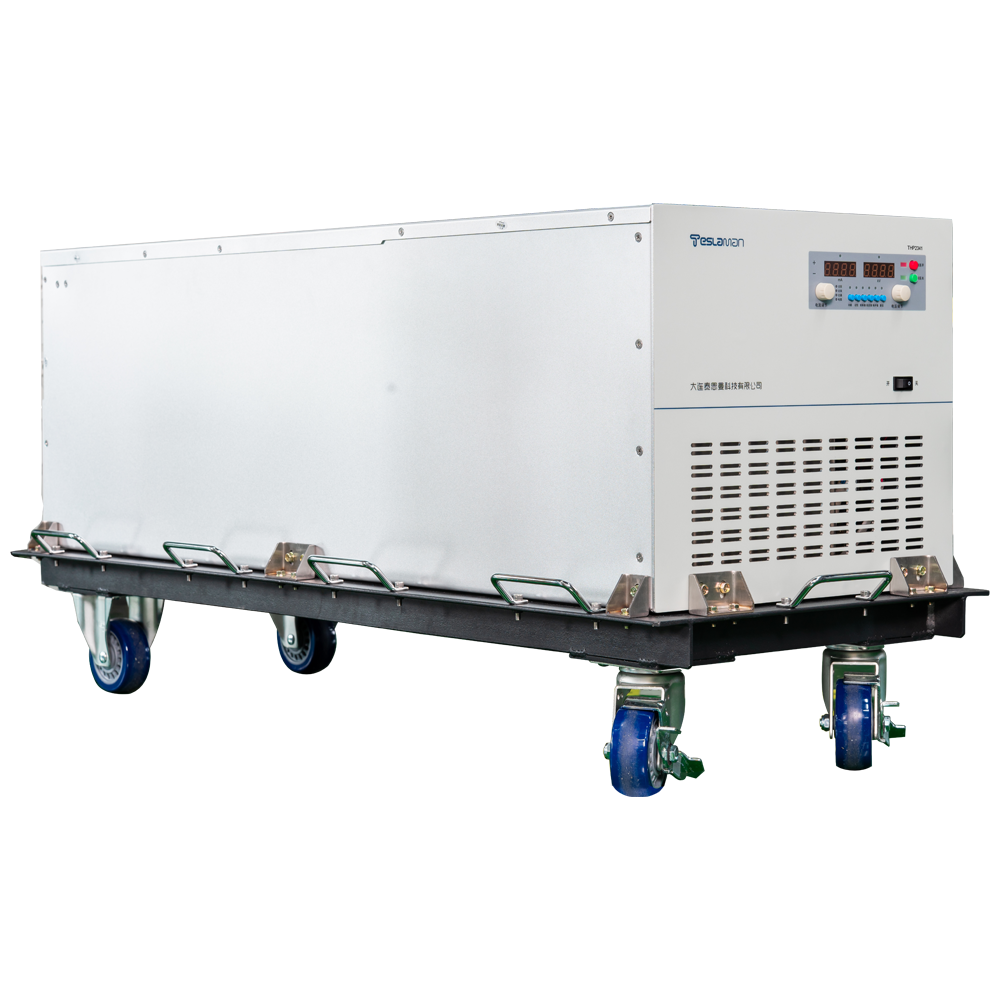
The high voltage power supply for generating the electric field must be designed for the specific application. The voltage determines the field strength for a given electrode geometry. The current is typically small for electrostatic applications, but the supply must maintain stable voltage despite environmental variations such as humidity changes.
Electrode design affects the field distribution and uniformity. Parallel plate electrodes produce uniform fields in the central region. Point or wire electrodes produce non uniform fields with high field near the electrode. The electrode geometry must be appropriate for the plant arrangement and the desired field characteristics.
Safety considerations are important when working with high voltage. The field strength should be below levels that could cause corona discharge or ozone production that might harm plants. The system should include interlocks to prevent operator exposure to high voltage. Proper grounding prevents unintended current paths through the growing medium.
Practical applications of electrostatic field treatment require consideration of the economics and logistics. The energy cost of operating the field must be justified by the value of the enhanced yield. The equipment must be reliable and suitable for the growing environment. Integration with other cultural practices must be considered. Scale up from laboratory results to field conditions requires careful validation.