Safety and Efficacy of High Voltage Power Supply for Cryogenic Plasma Medical Equipment
Cryogenic plasma medical devices represent an emerging therapeutic technology that combines low temperature plasma with medical applications. These devices use high voltage to generate plasma at near room temperature, enabling direct application to biological tissues. The safety and efficacy of these devices depend critically on the high voltage power supply characteristics and the overall system design.
Cold atmospheric plasma is generated by applying high voltage to a gas flow, ionizing the gas to create a plasma containing reactive species, ions, and UV photons. Unlike thermal plasmas used in welding or cutting, cold plasmas have gas temperatures near room temperature, allowing direct contact with living tissue without thermal damage. The plasma provides therapeutic effects through the reactive species and other plasma components.
Medical applications of cold plasma include wound healing, skin treatment, dental applications, and cancer therapy. The plasma promotes healing through stimulation of cell proliferation and angiogenesis. It provides antimicrobial effects through reactive oxygen and nitrogen species. In cancer applications, the plasma can induce apoptosis in tumor cells while sparing normal cells.
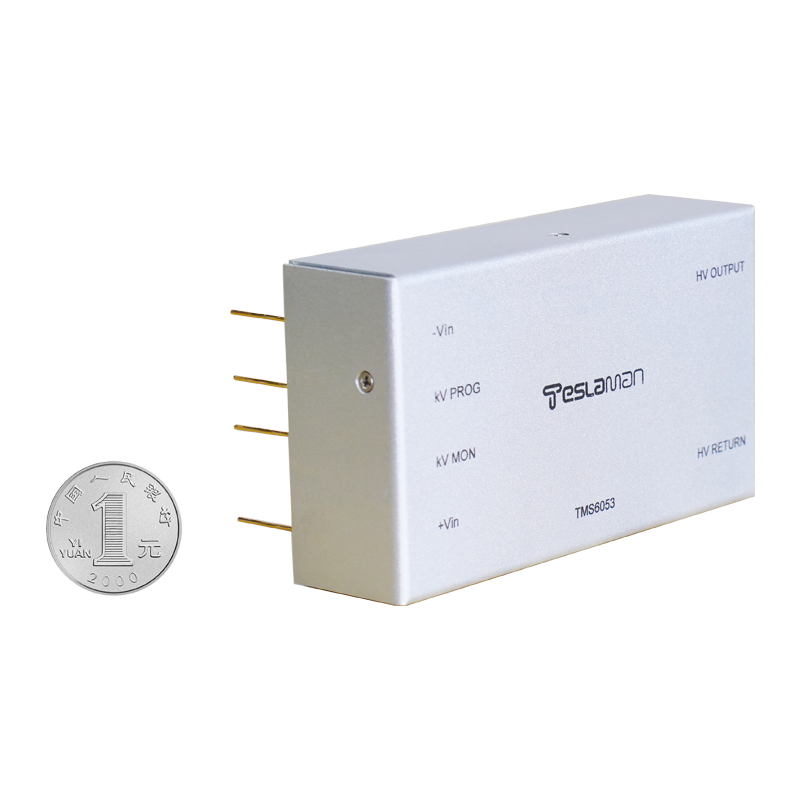
The high voltage power supply for plasma medical devices typically operates at kilohertz frequencies with voltages of several kilovolts. The supply must provide stable, controllable output for consistent plasma generation. The output characteristics affect the plasma properties and thus the therapeutic effects. Safety requirements are paramount for medical devices applied to patients.
Electrical safety is the primary concern. The device must prevent electrical shock to the patient and operator. The high voltage must be isolated from the patient contact area, with the plasma serving as the only electrical connection. The isolation must meet medical device standards for patient isolation. Ground fault detection and interruption provide additional protection.
Current limiting prevents excessive current flow through the patient. Even with isolation, capacitive coupling or fault conditions could create current paths through the patient. The current must be limited to levels below the perception threshold, typically below one milliampere for alternating current. The limiting must be effective under all fault conditions.
Thermal safety ensures that the plasma does not cause thermal damage. The gas temperature must be maintained near body temperature. The high voltage parameters affect the plasma temperature, with higher power producing higher temperatures. The supply must operate within the range that produces therapeutic plasma without thermal effects.
Dosage control enables consistent therapeutic outcomes. The plasma dosage depends on the exposure time, the plasma properties, and the treatment area. The plasma properties depend on the high voltage parameters, the gas composition, and the flow rate. The power supply must provide reproducible output for consistent dosage delivery.
Treatment efficacy depends on the plasma characteristics. The concentration of reactive species, the ion flux, and the UV emission all contribute to the therapeutic effect. These characteristics depend on the voltage, frequency, and waveform of the power supply output. Optimization of these parameters maximizes the therapeutic effect while maintaining safety.
Regulatory requirements for medical devices impose specific design and testing requirements. The device must meet applicable medical device standards for safety and performance. The high voltage power supply must meet standards for medical electrical equipment. Documentation must demonstrate compliance with all applicable requirements.
Quality control during manufacturing ensures consistent device performance. The power supply output must be verified to meet specifications. Production testing confirms the safety features function correctly. Traceability enables identification of any devices that may not meet requirements.
Clinical validation establishes the safety and efficacy for the intended applications. Clinical studies document the outcomes for the treated conditions. The studies must demonstrate that the benefits outweigh the risks. The high voltage parameters used in the clinical studies define the labeled operating conditions for the device.