pH Gradient Establishment Speed of High Voltage Power Supply for Microfluidic Chip Isoelectric Focusing Electrophoresis
Microfluidic chip based isoelectric focusing electrophoresis represents a powerful miniaturized separation technique for proteins, peptides, and other amphoteric biomolecules. The method separates analytes according to their isoelectric points by establishing a stable pH gradient along a separation channel and applying an electric field that drives molecules to the pH position where their net charge equals zero. The speed at which the pH gradient can be established and stabilized fundamentally determines the throughput and efficiency of the separation process. The high voltage power supply providing the electric field must enable rapid gradient formation while maintaining the stability required for high resolution separations.
Isoelectric focusing exploits the amphoteric nature of proteins and peptides, which carry positive, negative, or zero net charge depending on the local pH relative to their isoelectric point. In a pH gradient, molecules migrate under the influence of the electric field until they reach the position where the pH equals their isoelectric point, at which location the net charge and therefore the electrophoretic mobility become zero. The focusing action concentrates molecules at their isoelectric positions, providing both separation and enrichment in a single process.
The pH gradient in isoelectric focusing is established using carrier ampholytes, which are small amphoteric molecules with a distribution of isoelectric points spanning the desired pH range. When an electric field is applied to a solution containing carrier ampholytes, each ampholyte migrates to its isoelectric position, creating a pH gradient through the superposition of the individual ampholyte distributions. The gradient formation time depends on the mobility of the carrier ampholytes, the length of the separation channel, and the electric field strength.
The electric field strength is the primary determinant of the gradient formation speed. Higher fields produce faster migration of carrier ampholytes to their equilibrium positions, reducing the time required to establish a stable gradient. The field strength is limited by considerations of Joule heating, electroosmotic flow, and potential sample degradation. Excessive heating can cause temperature gradients that convectively mix the focusing medium, disrupting the separation. The high voltage power supply must provide sufficient voltage to achieve the desired field strength while enabling control to manage the thermal load.
Microfluidic chip formats offer advantages for isoelectric focusing including short separation distances, efficient heat dissipation, and integration with other analytical functions. The small channel dimensions reduce the distance that carrier ampholytes must migrate to establish the gradient, shortening the formation time compared to conventional capillary or slab formats. The high surface to volume ratio of microchannels enables efficient heat removal, allowing higher field strengths without excessive temperature rise. These characteristics make microfluidic isoelectric focusing particularly suitable for rapid analyses.
The channel length and the applied voltage together determine the electric field strength and the gradient formation time. For a given channel length, higher voltages produce higher fields and faster gradient formation. The voltage required for a desired field strength scales with the channel length, so shorter channels require lower voltages. Microfluidic channels with lengths of a few centimeters typically require voltages of several kilovolts to achieve field strengths of hundreds of volts per centimeter.
The carrier ampholyte concentration affects the gradient properties and the formation dynamics. Higher ampholyte concentrations provide more uniform gradients with steeper pH changes per unit distance, improving resolution. However, higher concentrations increase the solution conductivity, requiring more current for a given field strength and generating more Joule heating. The selection of ampholyte concentration balances the resolution requirements against the thermal and electrical constraints.
Joule heating from the applied electric field raises the temperature of the focusing medium and can affect the separation performance. The power dissipation equals the product of voltage and current, or equivalently the product of conductivity and the square of the field strength. Temperature rise affects the carrier ampholyte mobility, the pH gradient stability, and potentially the sample integrity. Temperature monitoring and control enable operation at the maximum field strength compatible with acceptable temperature conditions.
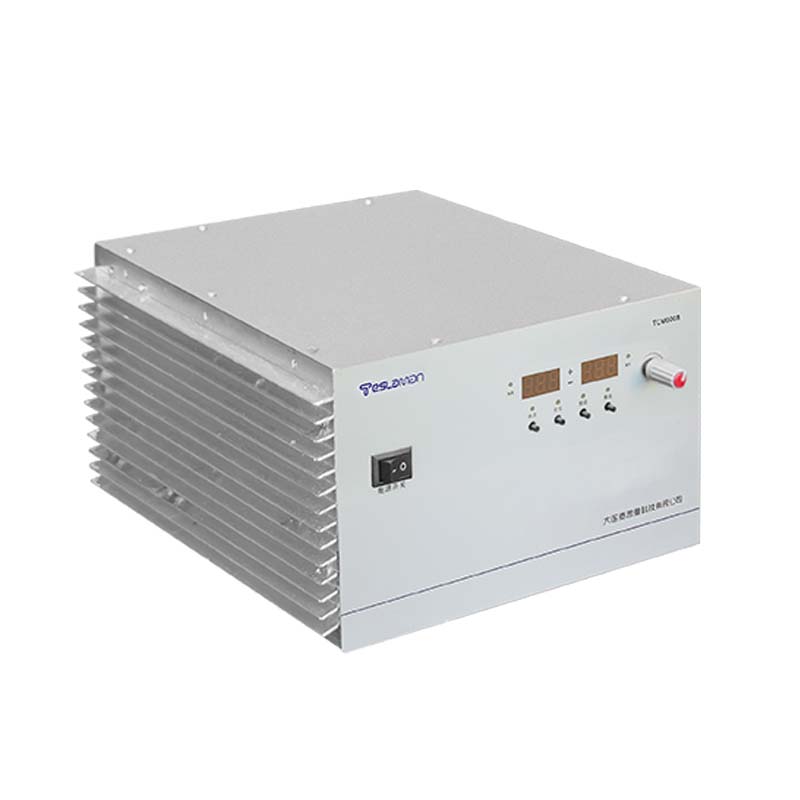
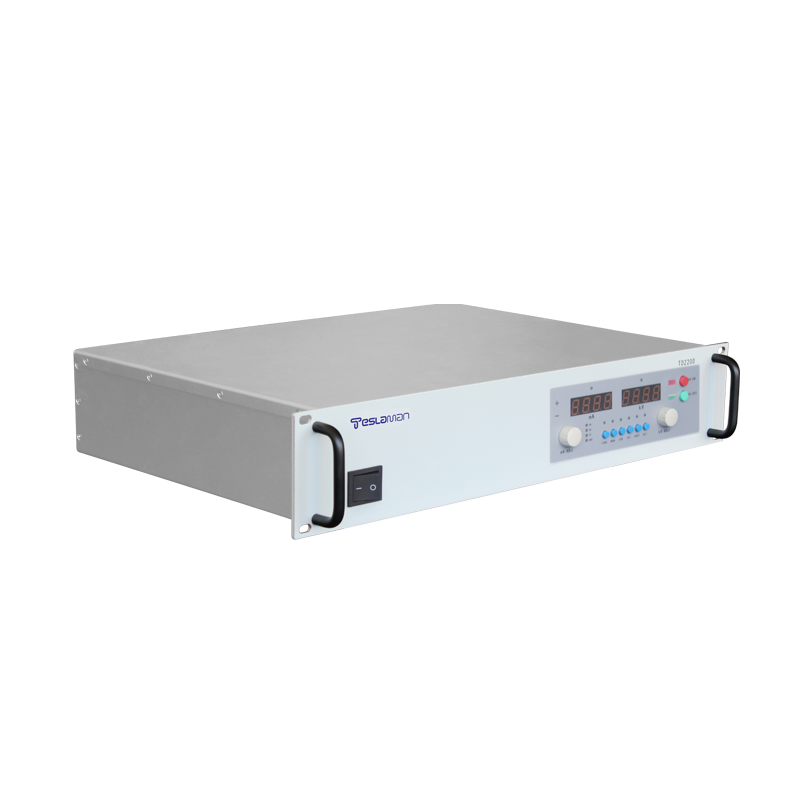
The high voltage power supply must provide stable output with rapid response for effective isoelectric focusing. Voltage stability affects the constancy of the electric field and the stability of the focusing positions. Current limiting capabilities protect the chip and sample from excessive current that could occur from conductivity changes or faults. The supply should enable programmable voltage profiles for focusing, mobilization, and detection phases of the analysis.
Detection of focused samples in microfluidic isoelectric focusing employs various techniques including whole channel imaging, scanning detection, or mobilization past a fixed detector. Whole channel imaging captures the entire separation in a single image, requiring no additional time after focusing. Scanning detection moves a detector along the channel or shifts the focused zones past a fixed detector. Mobilization techniques apply pressure or chemical reagents to move the focused zones past a detection point. The detection method influences the total analysis time and the required power supply capabilities.
Optimization of the gradient establishment speed involves balancing the competing factors of field strength, thermal effects, and ampholyte properties. Experimental characterization of the gradient formation time as a function of voltage, ampholyte concentration, and channel dimensions guides selection of operating conditions. Monitoring of the focusing current and the pH gradient development provides insight into the dynamics and enables identification of optimal conditions for rapid, high resolution separations.