Experimental Study on Arc Characteristics of High Voltage Power Supply in Space Microgravity Environment
The behavior of electrical arcs in high voltage systems under space microgravity conditions differs fundamentally from terrestrial experience due to the absence of buoyancy driven convection. On Earth, hot gases from an arc rise due to their lower density, carrying away heat and influencing the arc shape and motion. In microgravity, this convective cooling mechanism is absent, and heat removal occurs only through radiation and conduction to surrounding structures. Understanding these differences is essential for designing reliable high voltage systems for spacecraft and for establishing appropriate design margins and test protocols.
Electrical arcs occur when the voltage between conductors exceeds the breakdown threshold of the intervening medium, creating a conductive plasma channel that carries current between the electrodes. The arc plasma consists of ionized gas molecules and free electrons at temperatures of thousands to tens of thousands of kelvin. The high temperature causes thermal expansion of the gas, creating pressure gradients that drive gas motion. In gravity, the density difference between hot arc gas and cooler surrounding gas creates buoyancy forces that cause the arc to rise and elongate.
The absence of buoyancy in microgravity removes a significant heat transfer mechanism from arc behavior. On Earth, the rising hot gas continuously brings cooler gas into contact with the arc, providing convective cooling that limits the arc temperature and influences the voltage current characteristics. In microgravity, the arc heats the surrounding gas, which then remains in place without being replaced by cooler gas. This can lead to higher arc temperatures and different voltage current relationships compared to terrestrial arcs at the same current levels.
Arc motion and shape in microgravity differ from the familiar terrestrial behavior. Ground based electrical arcs tend to rise and curve upward due to buoyancy, often reaching an elongated shape before extinguishing or restriking. In microgravity, arcs maintain more symmetric shapes around the electrode axis, with the shape determined by electromagnetic forces and gas expansion rather than gravitational effects. The absence of arc rising affects the likelihood of arcs bridging to unintended surfaces and the effectiveness of arc interruption devices designed for terrestrial conditions.
Experimental investigation of microgravity arc characteristics requires specialized facilities that can provide the low gravity environment for sufficient duration to observe arc behavior. Drop towers provide a few seconds of microgravity by allowing experiments to free fall in evacuated tubes. Parabolic flight aircraft provide around twenty seconds of reduced gravity per parabola, with multiple parabolas allowing repeated measurements. Sounding rockets provide several minutes of microgravity. Each platform has limitations on the experiment size, power, and duration that constrain the achievable measurements.
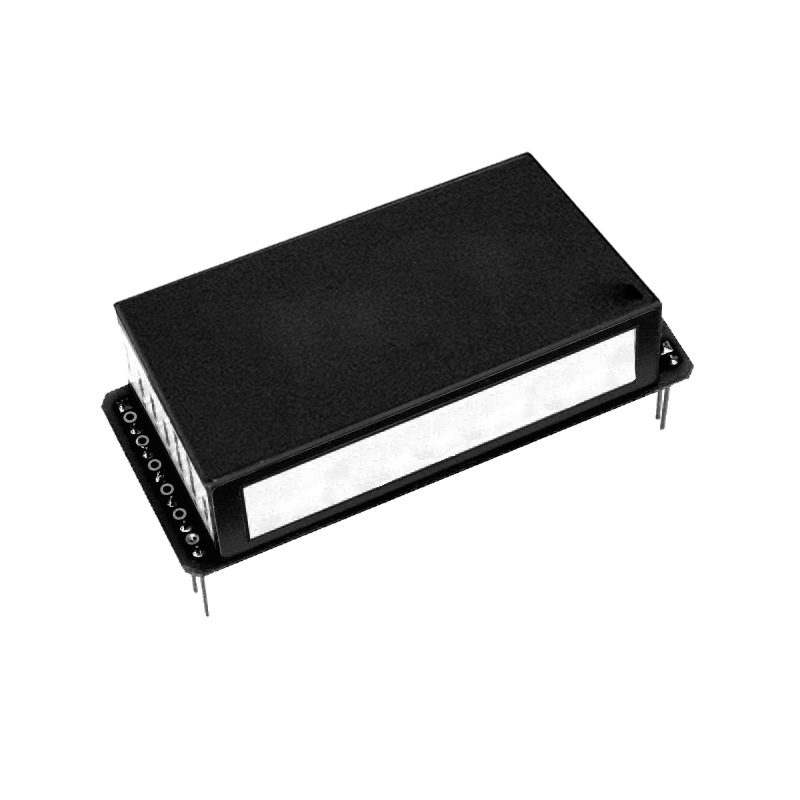
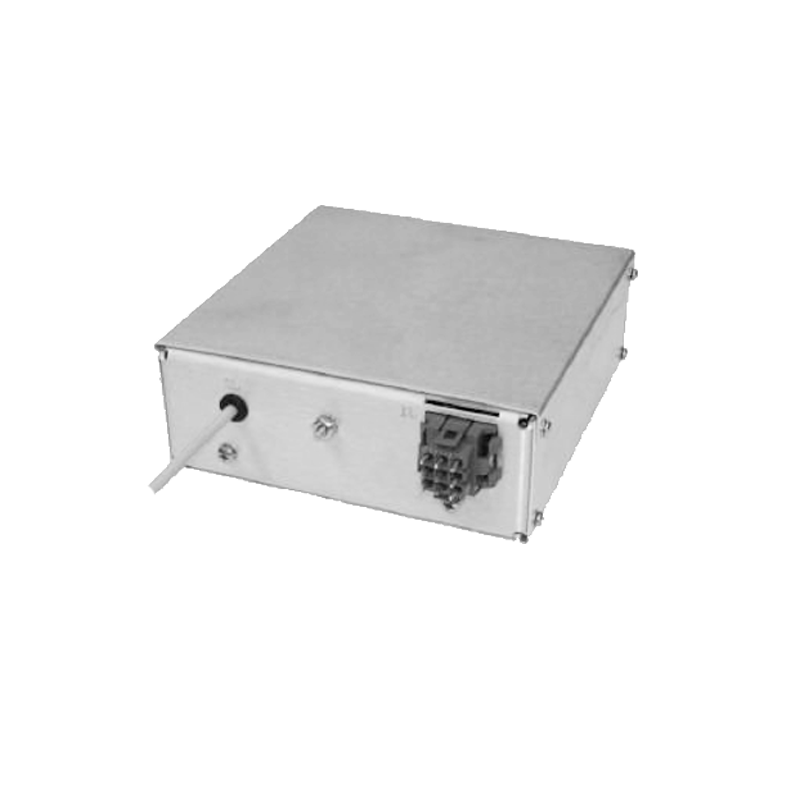
The experimental setup for microgravity arc studies typically includes a high voltage power supply, electrode arrangements with controlled geometry, diagnostic instrumentation for arc characterization, and data acquisition systems. The electrode geometry may include simple rod to rod or rod to plane configurations for fundamental studies, or more complex arrangements representing specific spacecraft high voltage components. High speed cameras capture the arc shape and motion, while electrical measurements record the voltage and current waveforms during the arc event.
Comparison of microgravity and terrestrial arc measurements reveals the gravity dependent aspects of arc behavior. Parameters of interest include the arc voltage current characteristics, the arc shape and dimensions, the arc temperature distribution, and the time to extinction after current interruption. Statistical analysis of multiple arc events accounts for the inherent variability in arc initiation and behavior. The comparison quantifies the differences that must be accounted for in spacecraft high voltage design.
The implications of microgravity arc behavior extend to several aspects of spacecraft high voltage system design. Insulation coordination must account for the different arc characteristics when establishing creepage and clearance distances. Arc detection systems designed for terrestrial arc signatures may need recalibration for microgravity conditions. Arc interruption devices such as circuit breakers or fuses must be validated for operation in microgravity where the arc behavior differs from ground based assumptions.
Plasma contamination effects in spacecraft environments add another consideration to arc behavior. Spacecraft surfaces can accumulate charged particles from the space plasma environment, creating surface potentials that may influence arc initiation. Outgassing from spacecraft materials creates localized gas clouds that can lower the breakdown threshold near the spacecraft. These space specific effects combine with microgravity effects to determine the overall arc behavior in spacecraft high voltage systems.
The development of design guidelines for spacecraft high voltage systems based on microgravity arc research requires integration of experimental results with theoretical understanding. Computational models of arc behavior can extrapolate from the limited experimental conditions to the broader range of conditions encountered in spacecraft applications. The models must incorporate the microgravity heat transfer and plasma dynamics to accurately predict arc behavior. Validation against experimental data establishes confidence in the model predictions for design application.