Reliability Design and Field Maintenance of High Voltage Monitoring Power Supply for Wind Turbine Generator
Wind turbine generators convert wind energy to electrical power through rotating blades that drive an electrical generator. The generator insulation system requires monitoring to detect developing problems before they cause failures. High voltage monitoring power supplies provide the test voltages for insulation assessment, operating in the challenging wind turbine environment with reliability requirements that match the turbine operational needs. Field maintenance strategies ensure continued monitoring capability throughout the turbine service life.
Wind turbine generators operate at high voltages, typically hundreds of volts to kilovolts, depending on the turbine size and design. The generator insulation separates the conductors from the frame and from each other, preventing short circuits and ground faults. The insulation degrades over time through thermal aging, mechanical stress, and environmental exposure. Monitoring the insulation condition enables detection of degradation before failure.
Insulation monitoring techniques include insulation resistance measurement, polarization index measurement, and partial discharge detection. Insulation resistance measurement applies DC voltage to the insulation and measures the resulting current, calculating the resistance. Lower resistance indicates insulation degradation. Polarization index measurement tracks the insulation resistance over time, with the ratio of resistance at different times indicating insulation condition. Partial discharge detection measures the small electrical discharges that occur in deteriorated insulation.
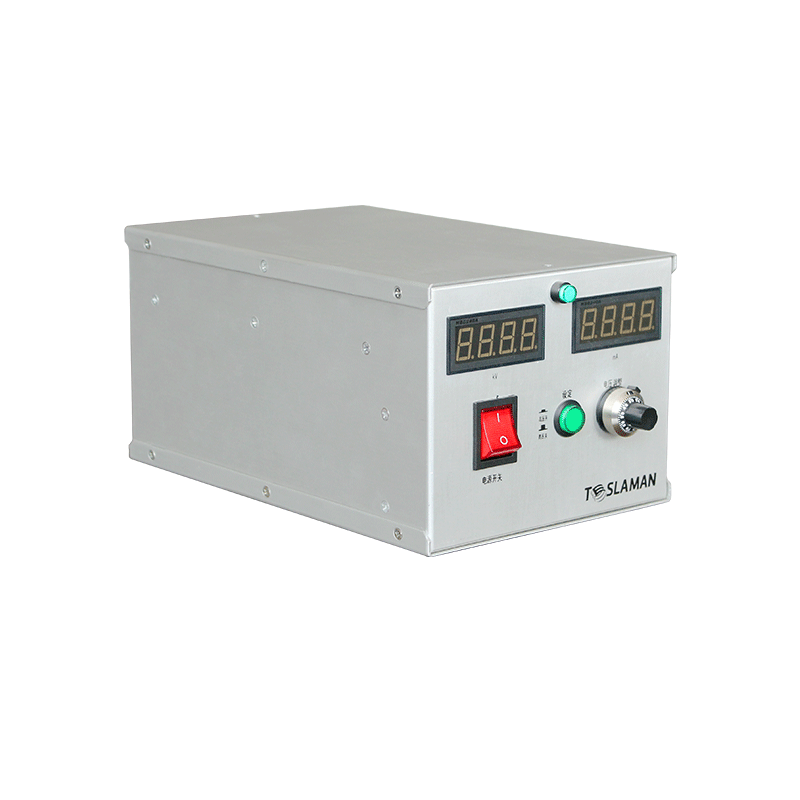
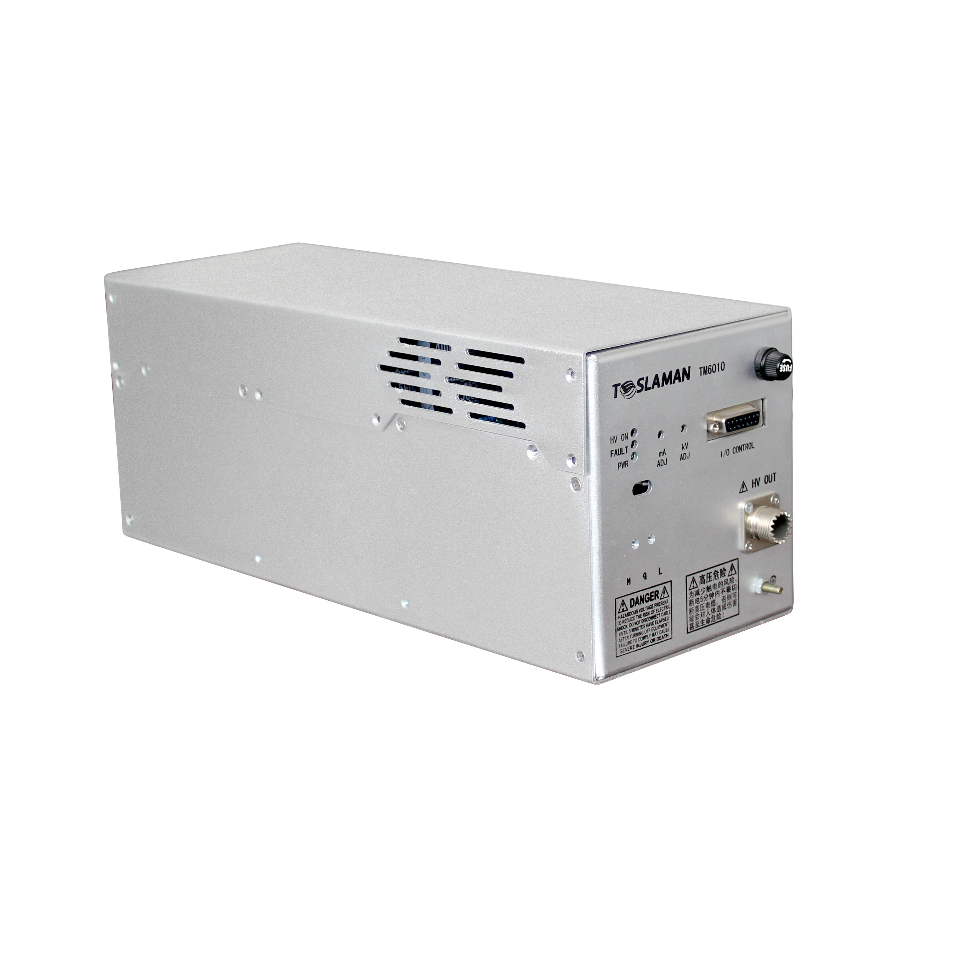
The high voltage monitoring power supply provides the test voltage for insulation assessment. The power supply generates DC voltage at levels appropriate for the generator insulation rating, typically hundreds to thousands of volts. The power supply must be compact to fit within the turbine nacelle or the monitoring equipment enclosure. The power supply must operate reliably in the turbine environment with minimal maintenance.
Wind turbine environmental conditions challenge power supply reliability. The nacelle environment has temperature variations from cold ambient temperatures to warm operating temperatures. Humidity varies with weather conditions. Vibration from turbine operation stresses components and connections. Salt spray in offshore turbines causes corrosion. Lightning strikes create electromagnetic transients. The power supply design must withstand these conditions.
Temperature design provides adequate cooling and appropriate component ratings. The power supply must operate across the expected temperature range, from minimum winter temperatures to maximum summer temperatures. Component derating accounts for the temperature effects on ratings. Thermal management removes heat from power supply operation, maintaining component temperatures within ratings.
Vibration design secures components against mechanical stress. Heavy components require robust mounting. Circuit boards require adequate support and may require vibration damping. Connectors require locking to prevent disconnection. Wire routing must avoid stress concentration points. The vibration design must withstand the continuous vibration from turbine operation.
Corrosion protection for offshore turbines addresses the salt spray environment. Enclosures must be sealed against salt ingress. External surfaces must use corrosion resistant materials or coatings. Internal components must have appropriate protection. Connectors must be sealed or corrosion resistant. The corrosion design must maintain protection throughout the turbine service life.
Lightning protection addresses the transients from lightning strikes to the turbine. The monitoring power supply must withstand the electromagnetic fields and induced surges from nearby lightning. Surge protection devices limit the voltage transients that reach the power supply. Filtering attenuates high frequency interference. The lightning protection must prevent damage while maintaining monitoring capability.
Field maintenance strategies address the limited accessibility of wind turbine equipment. Turbines are located at elevated positions with access requiring climbing or lifting equipment. Maintenance visits are costly and may be limited by weather conditions. The maintenance strategy must minimize the maintenance frequency while ensuring continued reliability.
Predictive maintenance uses monitoring data to anticipate maintenance needs. The monitoring power supply itself may have self diagnostic capability that detects developing problems. Trend analysis of power supply parameters identifies degradation that precedes failure. Predictive maintenance schedules interventions before failure occurs, avoiding unplanned downtime.
Condition based maintenance responds to detected problems rather than following fixed schedules. The monitoring system alerts when power supply parameters indicate problems. The maintenance action addresses the specific problem identified. Condition based maintenance avoids unnecessary maintenance while responding to actual needs.
Remote diagnostics enable assessment of power supply condition without physical access. Remote communication provides data from the power supply to maintenance personnel. Analysis of remote data determines whether maintenance is needed and what type of maintenance. Remote diagnostics reduce the need for physical inspection visits.
Spare parts management ensures availability of replacement components for field maintenance. Critical components that are likely to require replacement should be stocked at accessible locations. The spare parts strategy considers the lead times for procurement and the frequency of failures. Spare parts availability enables rapid repair when maintenance is needed.