Spectral Separation Characteristics Research of High Voltage Power Supply for Multi Layer Composite Plastic Electrostatic Separation
Electrostatic separation separates mixed materials based on their different electrical properties. Multi layer composite plastics contain different polymer layers that may have different charging characteristics. High voltage electrostatic separation exploits these differences to separate the materials. Spectral separation characteristics research analyzes how the separation efficiency varies with different high voltage parameters and configurations.
Electrostatic separation charges particles through contact charging or corona charging, then separates them based on their charge in an electric field. Contact charging occurs when particles contact surfaces and acquire charge through triboelectric effects. Corona charging occurs when particles pass through a corona discharge and acquire charge from ions. The charged particles experience forces in the electric field that deflect them according to their charge.
Multi layer composite plastics combine different polymer materials in layered structures. Each layer may have different triboelectric charging characteristics, acquiring different charge polarity and magnitude when contacted. The different charging enables separation of the composite into its constituent materials. The separation can recover valuable materials from composite waste or can sort composites by their composition.
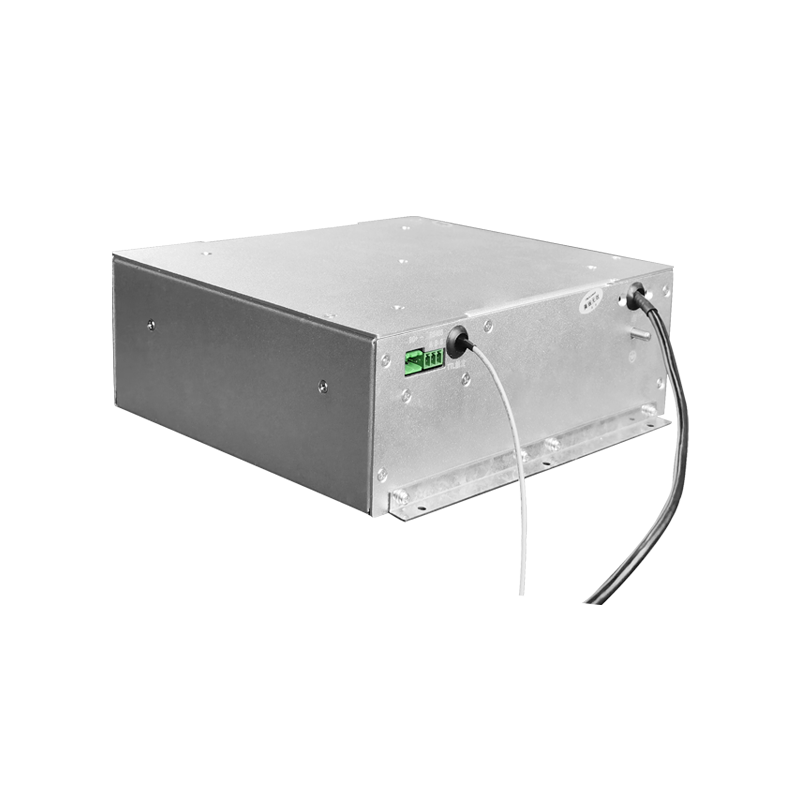
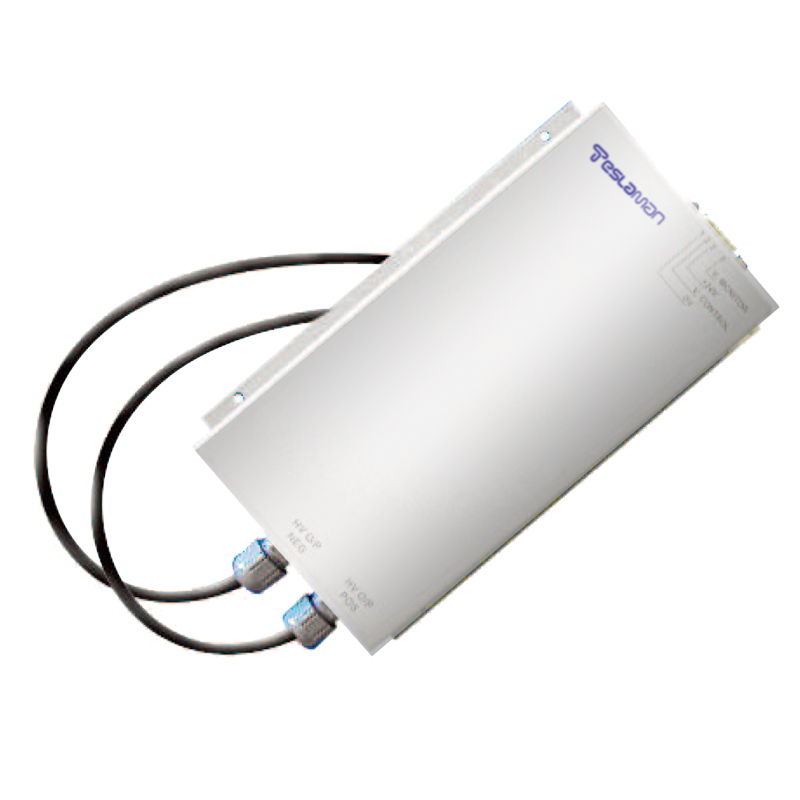
The high voltage power supply for electrostatic separation provides the voltage for the charging electrodes and the separation field. The charging voltage determines the charge acquired by particles. The separation voltage determines the electric field strength that deflects the particles. The voltage parameters affect the separation efficiency and the throughput.
Charging characteristics of different polymers depend on their position in the triboelectric series. Materials higher in the series tend to charge positively when contacted with materials lower in the series. The charge magnitude depends on the material pair, the contact conditions, and the surface properties. The triboelectric differences enable separation of mixed polymers.
Spectral separation refers to the distribution of particles based on their charge characteristics. The charge spectrum shows the range of charges acquired by particles of different materials. The separation efficiency depends on how well the charge spectra of different materials separate. Overlapping spectra cause misclassification where particles of one material are sorted with another material.
Voltage effects on charge spectrum affect the separation efficiency. Higher charging voltages may increase the charge magnitude, potentially widening the charge spectrum. However, excessive voltage may cause back corona or other effects that reduce charging efficiency. The voltage must be optimized to achieve maximum charge separation between materials.
Electric field configuration affects the particle trajectory and the separation outcome. Different electrode geometries create different field distributions. Drum separators use rotating drums with electrodes that charge and separate particles. Plate separators use parallel plates with electric fields that deflect falling particles. The configuration affects the separation resolution and the throughput.
Particle size affects the charging and the separation. Larger particles acquire more charge due to larger contact area, but also experience stronger gravitational forces that may overcome electrostatic deflection. Smaller particles acquire less charge but are more easily deflected. The particle size distribution affects the separation efficiency for each size fraction.
Moisture content affects the triboelectric charging. Moist surfaces have reduced triboelectric charging due to surface conductivity. Drying the materials before separation improves the charging and the separation efficiency. The moisture control must maintain appropriate dryness for optimal charging.
Separation efficiency metrics quantify the separation performance. Recovery rate measures the fraction of target material that is correctly separated. Purity measures the fraction of correctly classified material in each product stream. Throughput measures the processing rate. The efficiency metrics evaluate the separation performance under different conditions.
Voltage optimization experiments determine the optimal voltage parameters for specific material combinations. The experiments vary the charging voltage and the separation voltage, measuring the separation efficiency. The optimal parameters maximize the efficiency for the target materials. The optimization must account for the specific materials and the separation configuration.
Multi stage separation improves the overall efficiency by separating materials in multiple passes. The first stage separates materials with large charge differences. Subsequent stages separate materials with smaller differences or recover misclassified particles from previous stages. The multi stage approach achieves higher overall efficiency than single stage separation.
Process modeling predicts the separation performance based on material properties and operating parameters. The models relate the charging characteristics, the electric field, and the particle dynamics to the separation outcome. The models enable optimization and design of separation systems without extensive experimentation. The modeling accuracy depends on the understanding of the charging and separation mechanisms.