Comprehensive Insulation Status Evaluation of 320kV Variable Frequency Resonant High Voltage Power Supply for GIS Equipment
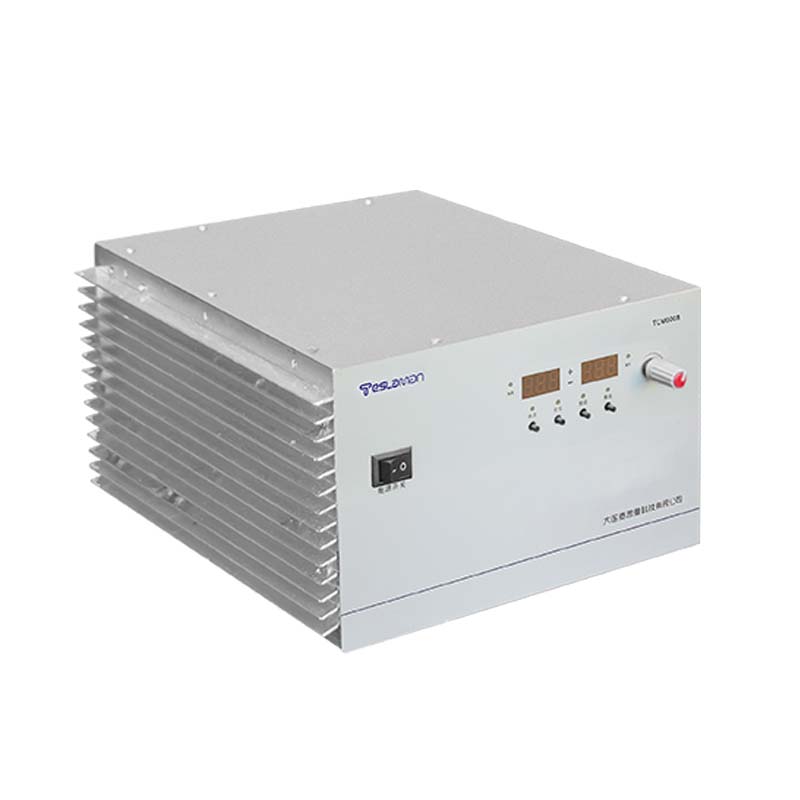
Gas insulated switchgear uses compressed gas, typically sulfur hexafluoride, to insulate high voltage components in compact enclosures. The insulation status affects the equipment reliability and safety. Variable frequency resonant high voltage testing applies voltage at different frequencies to comprehensively evaluate the insulation condition. The 320kV resonant power supply provides the test voltage for GIS insulation assessment.
GIS equipment contains circuit breakers, disconnectors, busbars, and other components enclosed in metal tanks filled with insulating gas. The gas insulation enables compact design with reduced clearance requirements compared to air insulation. The gas purity, pressure, and condition determine the insulation effectiveness. The solid insulation components including supports and barriers also affect the insulation.
Insulation degradation in GIS can occur from various mechanisms. Gas decomposition from electrical activity creates corrosive byproducts that attack materials. Particle contamination from manufacturing or operation can cause local field enhancement. Moisture ingress reduces the gas insulation strength. Aging of solid insulation reduces its electrical and mechanical properties.
Insulation testing applies elevated voltage to stress the insulation and detect defects. The testing reveals problems that might not be apparent at normal operating voltage. The testing can identify developing problems before they cause failure. The testing supports maintenance decisions and equipment reliability.
Variable frequency testing applies voltage at different frequencies to evaluate different insulation characteristics. Different insulation defects and conditions may respond differently at different frequencies. Testing at multiple frequencies provides comprehensive assessment of the insulation status. The frequency variation enables detection of defects that might be missed at a single frequency.
Resonant high voltage generation enables efficient testing at different frequencies. The resonant circuit can be tuned to resonate at different frequencies by adjusting the inductance or capacitance. The resonant amplification produces high voltage from a lower voltage source. The variable frequency resonant approach enables testing across a frequency range.
The 320kV resonant power supply provides the test voltage for GIS testing. The voltage level is appropriate for high voltage GIS equipment. The variable frequency capability enables testing at frequencies from power frequency to higher frequencies. The power supply must provide stable, controlled voltage at each test frequency.
Frequency selection for testing depends on the insulation characteristics to be evaluated. Power frequency testing evaluates the insulation behavior similar to normal operation. Higher frequency testing may be more sensitive to certain defects such as voids or delamination. The frequency range must cover the characteristics of interest.
Partial discharge measurement during testing detects discharge activity that indicates insulation defects. Partial discharges are small electrical discharges that occur in localized insulation defects. The discharge magnitude, pattern, and location indicate the defect type and severity. Partial discharge measurement at different frequencies may reveal different aspects of the defect.
Dielectric response measurement evaluates the insulation dielectric properties. The dielectric response depends on the insulation condition and may vary with frequency. Measurement at multiple frequencies provides a dielectric response spectrum that indicates the insulation status. The dielectric response can reveal moisture, aging, and other conditions.
Insulation resistance measurement evaluates the insulation conductivity. The resistance may vary with frequency due to polarization effects. Measurement at different frequencies provides information about the insulation electrical properties. The resistance measurement complements other testing methods.
Test procedure for comprehensive evaluation applies voltage at multiple frequencies with appropriate measurements at each frequency. The procedure specifies the frequency sequence, the voltage levels, and the measurement methods. The procedure must be standardized for consistent results. The procedure must be safe for personnel and equipment.
Data analysis interprets the measurements to assess the insulation status. The analysis compares the measurements with criteria for acceptable condition. The analysis may use trending from previous tests to identify developing problems. The analysis provides conclusions about the insulation condition and recommendations for maintenance.
Integration with GIS maintenance planning uses the evaluation results to guide maintenance actions. The results identify equipment that requires maintenance or replacement. The results prioritize maintenance based on the insulation condition severity. The integration supports proactive maintenance that prevents failures.