Physiological Mechanism and Effect of High Voltage Electrostatic Field Regulating Plant Stomatal Opening
The application of high voltage electrostatic fields to biological systems has revealed intriguing effects on plant physiology, including the regulation of stomatal opening that controls gas exchange and water relations in plants. Stomata represent microscopic pores on leaf surfaces that open and close to regulate carbon dioxide uptake for photosynthesis and water vapor release through transpiration. The electrostatic field influence on stomatal behavior offers potential applications in agriculture, horticulture, and plant research, requiring understanding of the underlying physiological mechanisms and the effects on plant function.
The fundamental structure of stomata consists of two guard cells that surround a pore, with the guard cell turgor pressure determining the pore aperture. When guard cells accumulate potassium ions and water, they swell and create an opening between them. When guard cells lose ions and water, they shrink and close the pore. The stomatal opening responds to multiple environmental factors including light, carbon dioxide concentration, humidity, and temperature, integrating these signals through complex signaling pathways.
High voltage electrostatic fields generate electric forces on charged particles and polarized molecules within plant tissues. The field can influence ion distribution across cell membranes, potentially affecting the ion fluxes that control guard cell turgor. The field can also affect the orientation and behavior of polar molecules involved in signaling pathways. The field effects depend on the field strength, frequency, duration, and the specific plant species and tissue characteristics.
The ion transport mechanisms in guard cells involve potassium channels, anion channels, and proton pumps that regulate ion fluxes across the plasma membrane. The electrostatic field can influence these transport mechanisms through direct effects on membrane potential or through effects on the ion channel proteins. The field-induced changes in ion distribution can alter guard cell turgor and stomatal aperture.
Calcium signaling plays a critical role in stomatal regulation, with calcium ions acting as secondary messengers in response to environmental stimuli. The electrostatic field can influence calcium distribution and fluxes in guard cells, potentially affecting the calcium signaling pathways that regulate stomatal opening. The field effects on calcium may contribute to the observed stomatal responses.
Membrane potential changes in guard cells drive the ion fluxes that regulate stomatal opening. The electrostatic field can directly affect the membrane potential through capacitive coupling or through effects on ion transport. The field-induced membrane potential changes can trigger or modulate the signaling cascades that control guard cell behavior.
The field strength determines the magnitude of electrostatic effects on plant tissues. Lower field strengths may produce subtle effects on ion distribution and membrane potential. Higher field strengths may produce more pronounced effects but could potentially cause stress or damage to plant tissues. The optimal field strength for stomatal regulation lies in a range that produces desired effects without adverse consequences.
Field duration affects the nature and persistence of stomatal responses. Brief field exposure may produce transient stomatal changes that return to baseline after exposure cessation. Extended field exposure may produce sustained stomatal changes or potentially induce adaptation responses. The exposure duration must be optimized for the desired effect characteristics.
Field frequency characteristics influence the electrostatic effects on plant tissues. Static fields produce constant forces on charged particles. Alternating fields produce oscillating forces that may have different effects depending on the frequency. The frequency may affect the penetration of field effects into tissues and the specific cellular mechanisms affected.
Plant species differences affect the response to electrostatic field exposure. Different species have different stomatal characteristics, guard cell properties, and signaling pathways. The sensitivity to electrostatic effects may vary across species, requiring species-specific optimization of field parameters. Understanding species differences enables appropriate application in different agricultural contexts.
Environmental conditions interact with electrostatic field effects on stomatal behavior. Light conditions affect the baseline stomatal state and the signaling pathways active in guard cells. Temperature affects membrane properties and ion transport kinetics. Humidity affects the water relations that drive stomatal responses. The field effects must be understood in the context of these environmental interactions.
Photosynthetic implications of stomatal regulation through electrostatic fields affect plant carbon assimilation and growth. Stomatal opening controls carbon dioxide uptake for photosynthesis, with wider opening enabling higher assimilation rates but also higher water loss. The electrostatic field regulation of stomatal opening can potentially optimize the balance between carbon gain and water loss for specific conditions.
Transpiration effects of stomatal regulation influence plant water relations and cooling. Stomatal opening controls water vapor release, affecting plant water status and leaf temperature. The electrostatic field regulation of stomatal opening can potentially modulate transpiration for water conservation or cooling enhancement, depending on application objectives.
Stress responses to electrostatic field exposure may occur if field conditions exceed plant tolerance. Excessive field strength may cause cellular damage, membrane disruption, or other stress effects. The stress responses may counteract or mask the stomatal regulation effects. Understanding stress thresholds enables avoidance of adverse effects during field application.
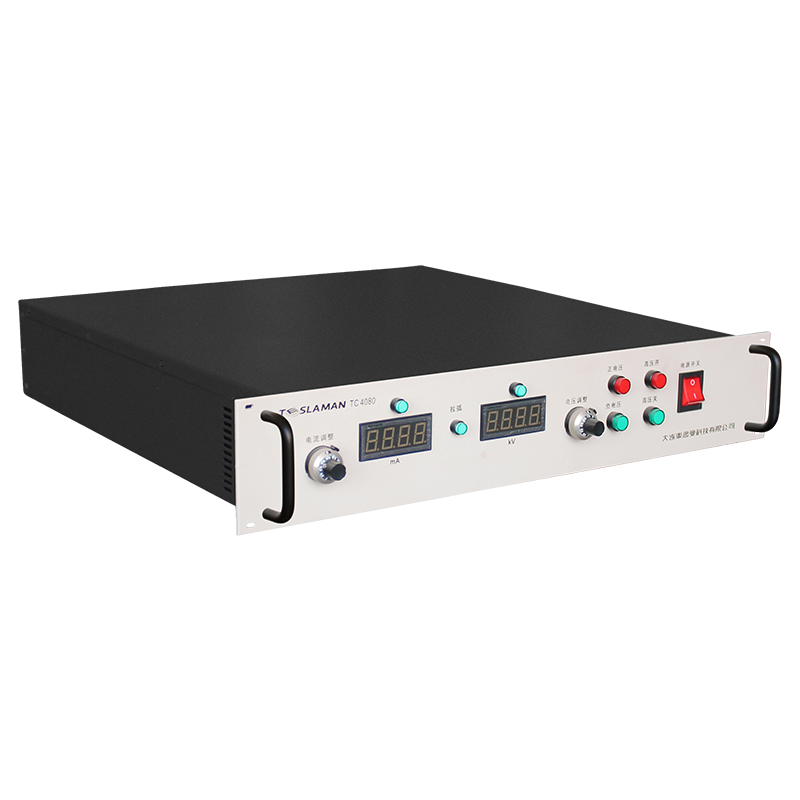
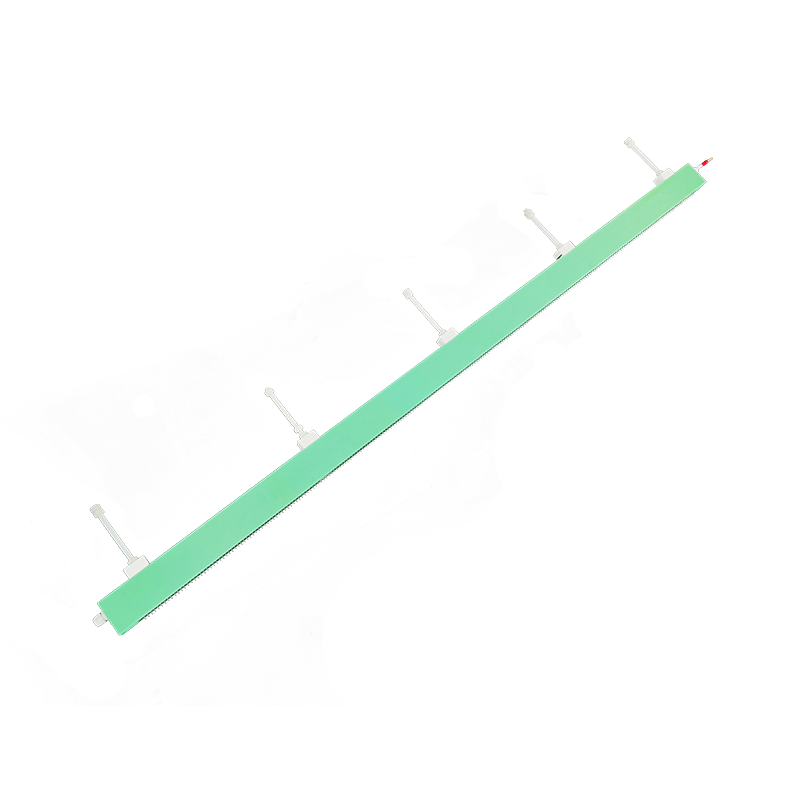
Application methodologies for electrostatic field treatment of plants vary depending on the objectives and scale. Laboratory studies may use controlled field exposure chambers for mechanistic investigation. Field applications may use electrode configurations that generate appropriate field distributions over plant canopies. The application methodology must deliver appropriate field conditions to the target tissues.
Measurement techniques for stomatal responses include direct observation of stomatal aperture through microscopy, indirect assessment through gas exchange measurements, and physiological indicators through water relations measurements. The measurement approach must capture the relevant response characteristics for the specific investigation or application.
Safety considerations for high voltage field application to plants include protection against electrical hazards for personnel and prevention of damage to plant tissues. The high voltage equipment must be properly insulated and grounded. The field conditions must remain within ranges that avoid plant damage. Safety protocols ensure that field application proceeds without adverse incidents.
Integration with agricultural systems requires coordination between electrostatic field treatment and other crop management practices. The field application timing must be coordinated with irrigation, fertilization, and other cultural practices. The field effects must be compatible with the overall crop management strategy. Integration enables practical application in production contexts.
Continued research on electrostatic field effects on plant physiology advances understanding of mechanisms and applications. Better characterization of field effects on guard cells enables more precise regulation strategies. Investigation of species differences enables broader application across crops. Integration with other technologies enables comprehensive plant management approaches. These developments continue to advance the potential for electrostatic field applications in plant science and agriculture.