Multi-Target Power Real-Time Distribution and Coordinated Control for Magnetron Sputtering Rotating Cathode High Voltage Power Supply
Magnetron sputtering has become the predominant physical vapor deposition technique for manufacturing thin film coatings across diverse applications including semiconductor devices, optical coatings, and functional surfaces. Rotating cathode configurations enhance target utilization and process throughput by continuously exposing fresh target surfaces to the sputtering plasma. Multi-target systems enable sequential or simultaneous deposition from different materials for complex film structures. Real-time power distribution and coordinated control among multiple targets optimize deposition characteristics and process efficiency.
The fundamental principle of magnetron sputtering involves generating plasma discharges near target surfaces that sputter target material for deposition on substrates. Magnet configurations confine plasma near target surfaces for enhanced sputtering efficiency. Target material is ejected through ion bombardment and deposits on substrates facing the target. The deposition rate and film characteristics depend on plasma conditions and power delivery to targets.
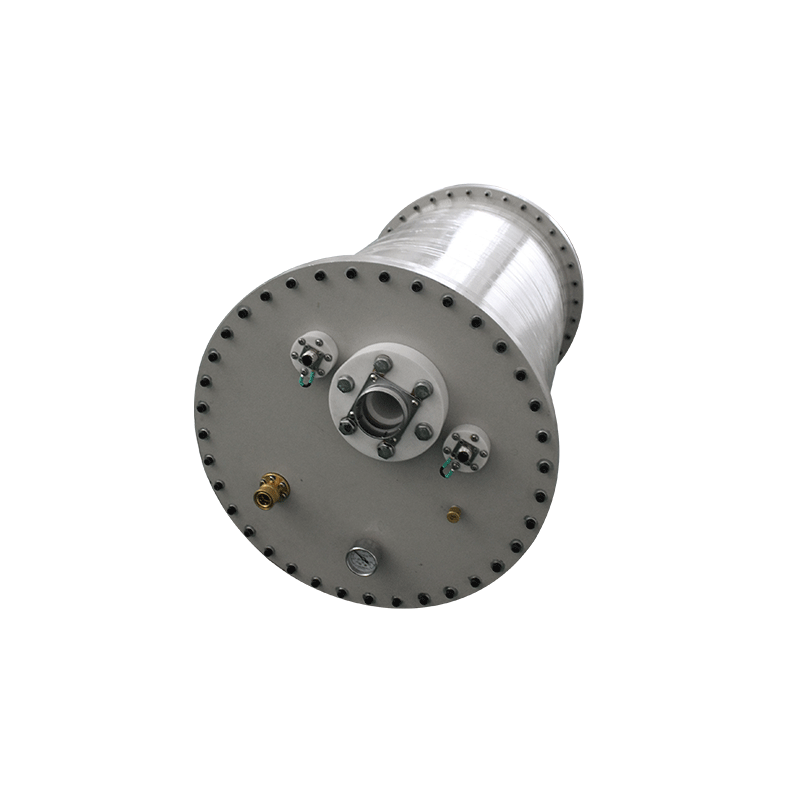
Rotating cathode designs continuously move target surfaces through the plasma region for uniform target erosion. Rotating cylindrical targets expose fresh surfaces to plasma as rotation proceeds. The rotation prevents localized erosion pits that develop in static targets. The uniform target utilization extends target lifetime and improves deposition uniformity.
Multi-target configurations enable deposition from multiple materials in sequence or simultaneously. Sequential deposition from different targets builds multilayer films with alternating compositions. Simultaneous deposition from multiple targets creates composite films with mixed compositions. The target configuration enables diverse film structures for various applications.
Power distribution among multiple targets affects deposition characteristics and film composition. Different targets may require different power levels for appropriate sputtering rates. The relative power among simultaneously active targets determines film composition ratios. The power distribution must be controlled for desired deposition characteristics.
Real-time power adjustment enables dynamic control of deposition parameters during process operation. Power changes during deposition affect instantaneous deposition rates. Real-time adjustment enables deposition parameter optimization for process variations. The adjustment must respond to monitoring feedback or predetermined profiles.
Coordinated control among multiple targets involves synchronizing power settings across the target array. Target activation timing must be coordinated for sequential or simultaneous operation. Power level relationships must be maintained for composition control. The coordination must enable comprehensive multi-target process management.
Power-to-sputtering rate relationships for different target materials require material-specific calibration. Different materials exhibit different sputtering yields for equivalent power. The calibration establishes the relationship between power and deposition rate for each target. The calibration enables accurate deposition rate control for composition management.
Target condition effects on sputtering characteristics change as targets erode through use. Target surface condition affects sputtering yield and plasma behavior. Target erosion progression changes power-to-rate relationships over target lifetime. The power control must account for target condition evolution.
Plasma interaction effects between simultaneously active targets affect deposition behavior. Plasma from one target may affect plasma behavior at other targets. Cross-interactions may affect deposition rate and film characteristics. The power control must address cross-interaction effects for multi-target coordination.
Substrate motion coordination with multi-target operation enables uniform deposition across substrate surfaces. Substrate rotation or translation distributes deposition from multiple targets across the surface. The substrate motion timing must be coordinated with target activation and power distribution. The coordination enables uniform film characteristics across substrate areas.
Monitoring capabilities for multi-target deposition enable feedback for real-time control. Deposition rate monitoring provides information about sputtering behavior at each target. Film composition monitoring provides feedback about relative deposition from different targets. The monitoring enables adaptive power adjustment for maintained deposition characteristics.
Power stability requirements for each target affect deposition rate stability and film quality. Power fluctuations cause deposition rate variations affecting film characteristics. Each target power must be maintained stable within requirements. The stability must be achieved despite multi-target coordination complexity.
Arc handling for multiple targets involves detecting and responding to arcs at individual targets. Arcs can occur at any target during operation requiring appropriate response. Arc detection must identify which target experienced the arc. Arc response must address the affected target without disrupting other targets. The arc handling must maintain overall process continuity.
Integration with deposition process control involves coordinating multi-target power with overall process parameters. Target power must coordinate with gas pressure, substrate temperature, and deposition timing. The integration enables comprehensive deposition process management.
Testing and verification of multi-target control require evaluation of deposition characteristics. Deposition rate testing verifies power-to-rate relationships for each target. Composition testing verifies power distribution effects on film composition. Uniformity testing verifies deposition consistency across substrates. The testing must establish confidence in multi-target control capability.
Continued advancement in thin film deposition drives ongoing development of multi-target control systems. More complex film structures require more sophisticated target coordination. Higher throughput demands optimized power distribution efficiency. Integration with advanced monitoring enables predictive power adjustment. These developments continue advancing the capabilities of magnetron sputtering multi-target systems.