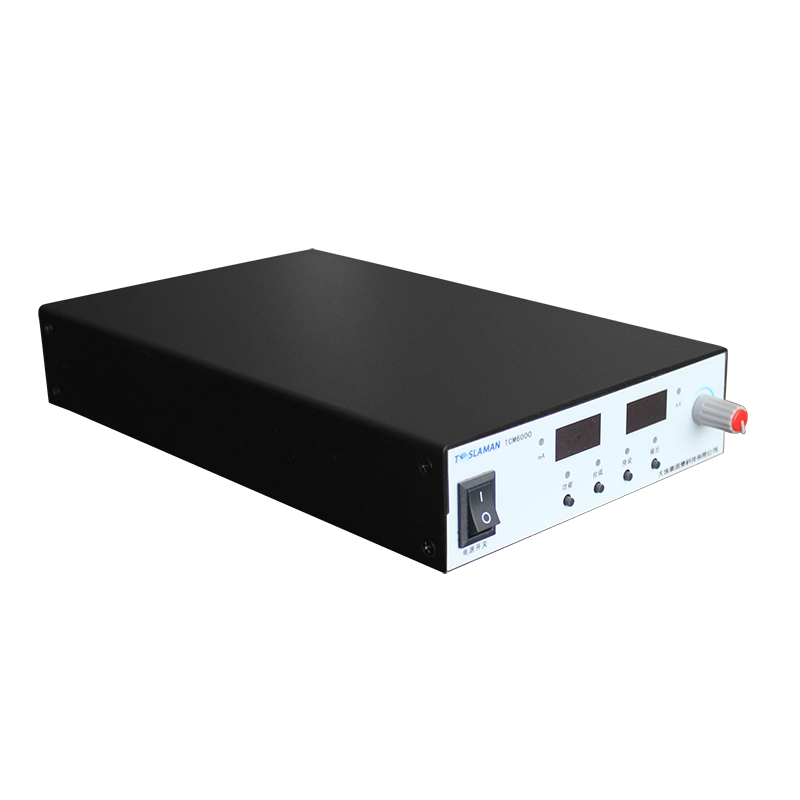
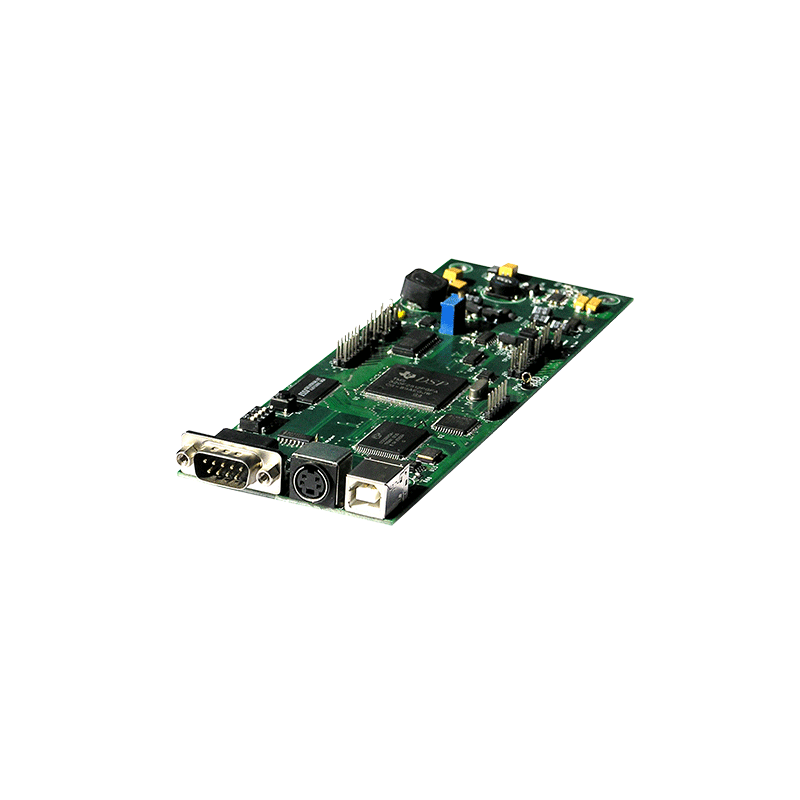
Laser Radar Cloud Meter High Voltage Power Supply Pulse Energy Stability Impact on Detection Accuracy Analysis
Laser radar cloud meters utilize pulsed laser radiation to measure cloud base height and vertical distribution of atmospheric aerosols and hydrometeors. The accuracy of these measurements depends critically on the stability of laser pulse energy, which is directly influenced by the performance of high-voltage power supplies that energize the laser pumping systems. Understanding the relationship between power supply characteristics and measurement accuracy enables specification and design optimization for meteorological applications.
The fundamental measurement principle of laser radar involves transmitting short pulses of laser radiation and measuring the time delay for backscattered returns from atmospheric targets. The return signal intensity depends on the transmitted pulse energy, atmospheric transmission, target reflectivity, and receiver characteristics. Variations in transmitted pulse energy directly affect the received signal level and therefore the detection range and accuracy for distant targets. Cloud detection at maximum range requires consistent pulse energy to achieve adequate signal-to-noise ratio for reliable detection.
High-voltage power supplies for laser pumping provide the energy for flashlamp or diode pumping of solid-state laser media. The pulse energy delivered to the laser depends on the voltage and current waveforms applied during the pumping pulse. Variations in power supply output between pulses create pulse-to-pulse energy variations that affect measurement consistency. The specifications for pulse energy stability typically require variations less than one percent for meteorological lidar applications to achieve acceptable measurement accuracy.
Pulse-to-pulse energy stability encompasses both short-term variations between consecutive pulses and longer-term drift over minutes to hours of operation. Short-term variations result from noise in power supply regulation circuits and fluctuations in charging circuit parameters. Longer-term drift results from thermal effects on component values and aging of components over extended operation. Both stability aspects impact measurement quality and must be controlled through appropriate power supply design.
The charging circuit topology influences pulse energy stability through its effect on charging consistency. Resonant charging circuits provide efficient energy transfer but require precise frequency tracking to maintain consistent charging levels. Line-type modulators using pulse forming networks provide consistent pulse characteristics but require precise impedance matching to avoid reflections that affect energy transfer. Solid-state switched modulators offer flexibility in pulse characteristics but require careful design to minimize voltage droop and switching losses.
Energy storage capacitor quality affects pulse energy stability through variations in capacitance value and equivalent series resistance. Capacitance variations directly affect the stored energy at a given voltage level. Dielectric absorption effects cause voltage recovery after discharge that can affect subsequent charging cycles. Temperature coefficients of capacitance introduce drift with operating temperature unless compensated through design or active temperature control. Selection of capacitor types with stable characteristics over the operating temperature range is essential for achieving required stability performance.
Switching device characteristics in pulsed power supplies influence both pulse amplitude and pulse shape stability. Jitter in switching timing creates variations in pulse initiation that affect measurement timing accuracy. Variation in switching speed affects the rise time of current pulses in the pumping circuit. On-state resistance variations with temperature affect the peak current delivered during the pulse. Solid-state switches including MOSFETs and IGBTs offer improved stability compared to spark gap switches historically used in high-power pulse applications.
Regulation circuit design for high-voltage power supplies must balance stability requirements against response time and noise constraints. High regulation gain improves stability but can introduce instability if phase margin is insufficient. Filtering of feedback signals reduces noise at the expense of response time. Digital regulation circuits offer flexibility in implementing sophisticated control algorithms that can optimize stability under varying load conditions. Reference voltage stability determines the ultimate stability achievable, with precision references providing stability better than temperature coefficient alone would predict.
Environmental factors affecting power supply stability include ambient temperature, humidity, and electromagnetic interference. Temperature variations cause drift in component values that affect output voltage and therefore pulse energy. Temperature compensation circuits and thermal management systems minimize temperature-induced variations. Humidity affects high-voltage insulation properties and can cause corona discharge that loads the power supply output. Electromagnetic interference from other equipment can couple into sensitive regulation circuits, introducing noise that affects pulse energy.
Measurement of pulse energy stability requires calibrated detection systems capable of resolving small variations between pulses. Photodiode detectors with precision amplifiers provide signals proportional to pulse energy. Statistical analysis of pulse energy measurements over representative time periods quantifies stability performance. The standard deviation of pulse energy divided by mean pulse energy provides a normalized stability metric. Correlation analysis between pulse energy variations and atmospheric measurement variations enables assessment of stability impact on measurement accuracy.
Calibration procedures for laser radar cloud meters compensate for systematic pulse energy variations but cannot correct for random pulse-to-pulse variations. The calibration process establishes the relationship between detected signal levels and atmospheric target properties. Regular calibration verification ensures that the calibration remains valid as power supply components age and characteristics drift. Field calibration using hard targets at known ranges provides validation of system performance under operational conditions.
Optimization of power supply design for pulse energy stability involves trade-offs with other performance parameters including efficiency, size, and cost. High-stability designs typically require more expensive components and more complex circuitry than designs with relaxed stability requirements. The value of improved measurement accuracy must justify the additional cost of high-stability power supply implementation. Understanding the relationship between power supply performance and measurement accuracy enables rational specification of stability requirements for specific applications.