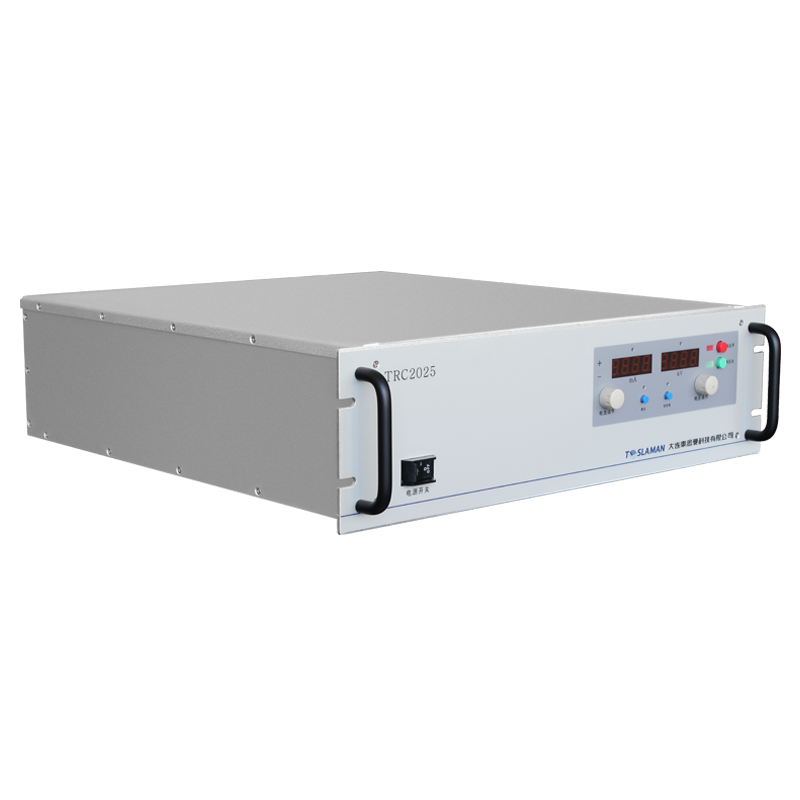
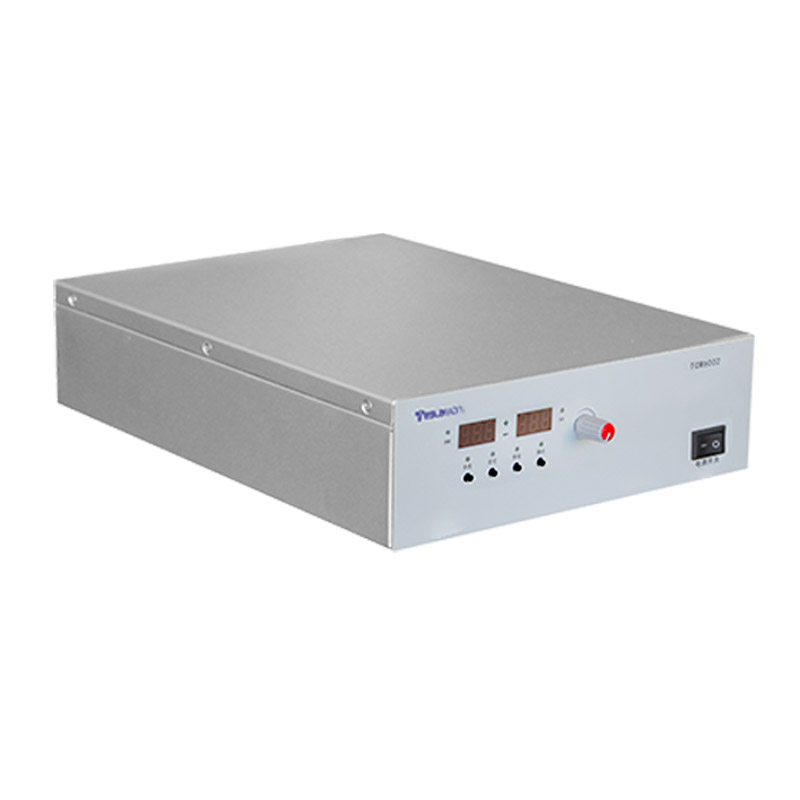
Etching Equipment Polarity Switchable High Voltage Power Supply Application Performance Analysis
Plasma etching processes in semiconductor manufacturing demand versatile high voltage power supplies capable of rapid polarity switching to achieve optimal etching profiles and process control. The ability to alternate between positive and negative output voltages enables sophisticated process recipes that enhance etching uniformity, selectivity, and anisotropy characteristics. Polarity switchable power supplies represent a significant advancement over fixed-polarity systems, providing process engineers with additional degrees of freedom to optimize etching performance for diverse material systems and device structures. The design and implementation of polarity switching circuits present unique challenges related to switching speed, transient suppression, and electromagnetic interference management.
The physical mechanisms underlying plasma etching depend critically on ion energy and directionality controlled by the bias voltage applied to the substrate electrode. Positive bias voltages attract electrons and negative ions to the substrate surface, while negative bias voltages accelerate positive ions toward the surface for physical sputtering and chemical etching reactions. Alternating polarity operation can modify surface charge accumulation, prevent device damage from charge buildup, and enable process recipes not achievable with single-polarity systems. The timing and duration of polarity switching significantly influence etching characteristics including sidewall profile, etching rate, and surface roughness. High voltage power supplies for etching applications must provide precise voltage regulation, fast polarity transition, and minimal overshoot during switching operations.
Polarity reversal circuit topologies typically employ H-bridge configurations using high voltage semiconductor switches arranged to reverse the connection of the load to the power supply output. The H-bridge architecture enables four-quadrant operation with both positive and negative voltage output capability. Insulated gate bipolar transistors or silicon-controlled rectifiers serve as switching elements, with device selection depending on voltage rating, current capability, and switching speed requirements. Series connection of multiple semiconductor devices enables operation at voltage levels exceeding individual device ratings. Voltage sharing networks ensure equal voltage distribution among series-connected devices during blocking states. Gate drive circuits must provide isolated control signals with adequate drive current and voltage to ensure reliable switching under all operating conditions.
Switching speed optimization balances the competing requirements of fast polarity transition and transient suppression. Rapid switching minimizes dead time during polarity reversal and enables higher frequency alternating bias operation. However, fast switching generates voltage and current transients that can damage sensitive components and create electromagnetic interference. Snubber circuits absorb energy stored in circuit inductances during turn-off transitions, protecting semiconductor devices from overvoltage stress. Soft switching techniques reduce switching losses and electromagnetic interference by ensuring zero voltage or zero current switching conditions. Resonant switching circuits achieve soft switching naturally through interaction with circuit inductances and capacitances.
Load characterization for plasma etching applications reveals complex impedance behavior that varies with process conditions. Plasma impedance depends on gas composition, pressure, power level, and electrode configuration, presenting a time-varying load to the power supply. The power supply must maintain stable output voltage under varying load conditions and provide adequate current capability to supply plasma discharge requirements. Impedance matching networks between the power supply and plasma chamber optimize power transfer efficiency and reduce reflected power that could damage the power supply. Real-time impedance monitoring enables adaptive matching adjustment to compensate for process variations.
Arc detection and suppression represent critical functions in etching power supplies due to the potential for plasma instabilities to generate damaging electrical arcs. Arc events can damage substrates, erode electrodes, and destroy power supply components if not detected and extinguished rapidly. Electronic arc detection circuits monitor output current and voltage to identify arc signatures and initiate suppression actions within microseconds. Arc suppression typically involves briefly interrupting power output to extinguish the arc, followed by controlled power ramp-up to reestablish stable plasma operation. The arc detection threshold and response time must be optimized to detect genuine arcs while avoiding false triggering from normal plasma fluctuations.
Electromagnetic compatibility design for polarity switchable power supplies addresses both conducted and radiated emissions generated during switching operations. Input filters attenuate high frequency noise conducted back into the facility power system, ensuring compliance with electromagnetic compatibility standards. Output filters reduce high frequency content in the voltage waveform delivered to the plasma load, minimizing interference with sensitive measurement equipment and control circuits. Shielding enclosures contain radiated emissions and prevent interference with nearby electronic systems. Grounding and bonding practices establish low impedance paths for high frequency currents while preventing ground loops that could introduce noise into control circuits.
Thermal management considerations for high voltage polarity switchable power supplies encompass multiple heat generating components including semiconductor switches, filter inductors, and power transformers. Switching losses in semiconductor devices constitute a significant portion of total power dissipation, increasing with switching frequency and voltage swing magnitude. Thermal interface materials must maintain good thermal conductivity while providing electrical isolation between semiconductor cases and heat sinks. Liquid cooling systems provide efficient heat removal for high power applications, with cold plates mounted directly on semiconductor modules for maximum thermal performance. Temperature monitoring enables thermal protection circuits to reduce power output or shut down the system before component temperatures exceed safe operating limits.
Control system architecture for polarity switchable power supplies coordinates voltage regulation, polarity switching, arc detection, and communication functions. Digital signal processors or field programmable gate arrays execute control algorithms with timing precision measured in nanoseconds. Proportional-integral-derivative controllers regulate output voltage with feedback from high voltage dividers and current sensors. Sequencing logic ensures proper operation of polarity switching circuits, preventing shoot-through conditions that could short circuit the power supply output. Communication interfaces enable remote control and monitoring through standard industrial protocols. Safety interlocks prevent operation when fault conditions exist, protecting both equipment and personnel.
Reliability assessment for polarity switchable power supplies requires analysis of stress factors unique to this application. Semiconductor switches experience thermal cycling stress due to periodic heating and cooling during operation, potentially leading to bond wire fatigue and die attach degradation. Capacitor banks must withstand the repetitive charging and discharging associated with polarity switching operations. Contact bounce and erosion in electromechanical relays, if used, can degrade contact resistance over time. Component derating guidelines appropriate for pulsed and alternating operation ensure adequate service life. Accelerated life testing under realistic operating conditions validates reliability predictions and identifies potential failure mechanisms.
Performance metrics for etching equipment power supplies extend beyond basic voltage and current specifications to encompass parameters directly relevant to process outcomes. Voltage ripple during steady-state operation affects plasma stability and consequently etching uniformity. Polarity transition time influences process recipes that rely on alternating bias operation. Voltage overshoot during polarity switching can generate undesirable plasma effects or damage sensitive device structures. Output impedance characteristics affect the power supply ability to maintain stable voltage under varying plasma conditions. Long-term stability of output voltage ensures process reproducibility over extended production runs. Measurement and verification of these performance parameters require specialized instrumentation and carefully designed test procedures.
Maintenance and service considerations influence the total cost of ownership for polarity switchable power supplies in semiconductor manufacturing environments. Modular construction enables rapid replacement of failed subassemblies, minimizing equipment downtime. Field serviceable components should be accessible without requiring complete system disassembly. Routine maintenance procedures include verification of voltage calibration, arc detection sensitivity, and cooling system performance. Spare parts provisioning strategies balance inventory costs against downtime risks for critical manufacturing equipment. Training programs for maintenance personnel ensure proper diagnosis and repair of power supply malfunctions. Manufacturer support services provide technical assistance and factory repair capabilities for components beyond field service capability.