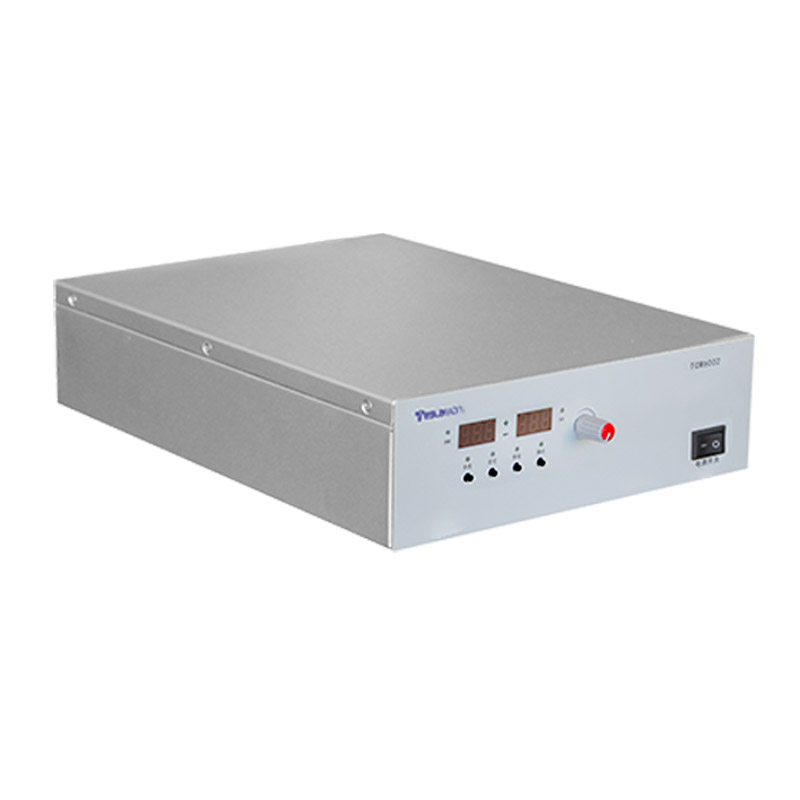
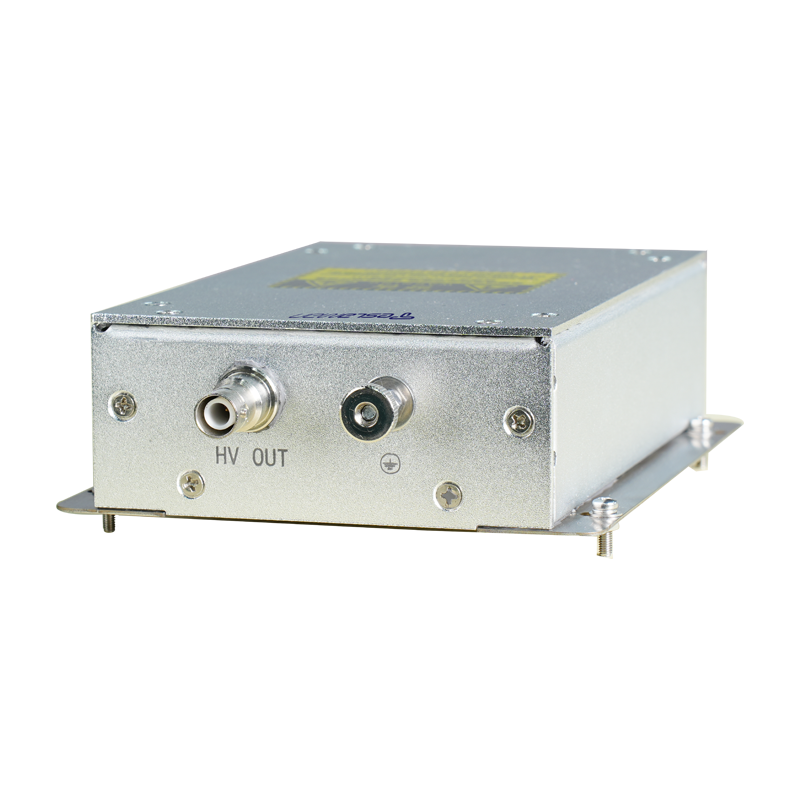
Electrospinning High Voltage Power Supply Voltage Waveform Optimization in Nanomaterial Preparation
Electrospinning technology has emerged as one of the most versatile methods for producing nanofibers with diameters ranging from tens of nanometers to several micrometers, finding extensive applications in tissue engineering, drug delivery, filtration membranes, and sensor development. The high voltage power supply serves as the critical component that provides the necessary electrostatic field to draw polymer solutions or melts into ultrafine fibers, making voltage waveform optimization a fundamental research priority in nanomaterial preparation. The complexity of electrospinning processes demands sophisticated power supply systems capable of precise control over multiple electrical parameters.
The fundamental principle of electrospinning relies on the application of high voltage, typically ranging from 10 kilovolts to 50 kilovolts, to a polymer solution contained in a syringe or reservoir. The electric field generated between the spinneret and the collector creates electrostatic forces that overcome the surface tension of the polymer solution, forming a Taylor cone at the tip of the spinneret. When the electric field strength reaches a critical threshold, a jet of polymer solution erupts from the cone apex and undergoes whipping instability, elongating and thinning as it travels toward the collector while simultaneously solidifying into a fiber through solvent evaporation or cooling. This process requires stable and controllable high voltage to ensure consistent fiber formation.
Traditional electrospinning systems have employed direct current high voltage power supplies due to their operational simplicity and stable output characteristics. However, research investigations have demonstrated that the voltage waveform significantly influences fiber morphology, diameter distribution, and production efficiency. Direct current power supplies produce a constant electric field that can lead to inconsistent jet initiation, particularly when processing solutions with varying viscosities or conductivities. The continuous nature of direct current output may also result in excessive charge accumulation on the collector surface, affecting fiber deposition patterns and potentially causing local heating effects that degrade sensitive polymer materials.
Pulsed voltage waveforms have gained considerable attention in recent years as an alternative approach to optimize electrospinning processes. Pulsed operation enables precise control over the timing and duration of the electric field application, allowing for better management of the jet formation and stabilization phases. Research studies have shown that appropriate pulse parameters can enhance fiber uniformity, reduce bead formation, and improve production throughput. The pulse frequency, duty cycle, and waveform shape each contribute distinct effects on the electrospinning process, necessitating systematic investigation to determine optimal configurations for specific polymer systems.
The relationship between pulse frequency and fiber characteristics exhibits complex dependencies on material properties and process parameters. Lower pulse frequencies, typically below 100 Hertz, allow sufficient time for the Taylor cone to stabilize between pulses, resulting in more consistent jet initiation but potentially reducing overall production rates. Higher pulse frequencies, exceeding 1000 Hertz, approach quasi-continuous operation while maintaining some benefits of pulsed control, such as reduced charge accumulation and improved thermal management. Experimental observations indicate that intermediate frequencies in the range of 200 to 500 Hertz often provide optimal balance between fiber quality and production efficiency for many polymer systems.
Bipolar voltage waveforms represent another advanced approach to voltage waveform optimization in electrospinning. Alternating between positive and negative polarities can significantly alter the electrohydrodynamic behavior of the polymer jet and influence fiber deposition patterns. Bipolar operation reduces net charge accumulation on the collector, minimizing electrostatic repulsion effects that can cause fiber alignment disruption in unipolar systems. Furthermore, the periodic reversal of electric field direction introduces additional perturbations to the jet, potentially enhancing stretching and thinning processes that contribute to reduced fiber diameters.
Voltage ramping protocols during electrospinning startup have been identified as critical factors affecting process stability and fiber quality. Rapid voltage application can cause sudden jet initiation with uncontrolled whipping, leading to irregular fiber morphology and potential solution dripping. Gradual voltage ramping allows the Taylor cone to form progressively, establishing stable jet flow before reaching the target operating voltage. Research investigations have quantified optimal ramping rates for various polymer systems, typically recommending voltage increase rates of 100 to 500 volts per second to ensure smooth process initiation.
The interaction between voltage waveform parameters and solution properties determines the overall effectiveness of electrospinning optimization. Solutions with higher viscosity require longer pulse durations or reduced frequencies to allow adequate material flow during jet formation. Highly conductive solutions respond more rapidly to electric field changes, enabling operation at higher pulse frequencies without detrimental effects on fiber quality. Understanding these relationships enables researchers and practitioners to tailor voltage waveform parameters to specific material systems, maximizing production efficiency while maintaining desired fiber characteristics.
Measurement and monitoring systems for voltage waveform characterization have become increasingly sophisticated, incorporating high-speed digitizers, current sensors, and optical diagnostics to capture transient phenomena during electrospinning. Real-time monitoring of voltage and current waveforms provides valuable feedback for process control and optimization, enabling detection of anomalies such as arcing, current leakage, or jet instability before they affect fiber quality. Advanced monitoring systems can correlate electrical parameters with optical observations of Taylor cone dynamics, providing comprehensive understanding of the relationships between power supply operation and fiber formation.
The development of programmable high voltage power supplies has revolutionized electrospinning research by enabling precise, reproducible control over voltage waveform parameters. Modern systems offer capabilities for arbitrary waveform generation, multi-channel synchronized operation, and computer interfacing for automated experimental sequences. These technological advances have facilitated systematic investigations of voltage waveform effects on electrospinning processes, accelerating the optimization of nanomaterial production across diverse application domains. Advanced power supply designs incorporate sophisticated protection mechanisms to prevent damage during process anomalies while maintaining precise control under normal operating conditions.
Electrospinning applications in biomedical engineering require particularly stringent control over fiber characteristics due to direct interaction with biological systems. Voltage waveform optimization enables production of nanofibers with controlled porosity, surface chemistry, and mechanical properties essential for tissue engineering scaffolds and drug delivery vehicles. The ability to precisely control electrical parameters through advanced power supply systems directly translates to improved product quality and reproducibility in these demanding applications. Research continues to explore novel waveform configurations that further enhance the capabilities of electrospinning technology for emerging applications in nanomaterial science.