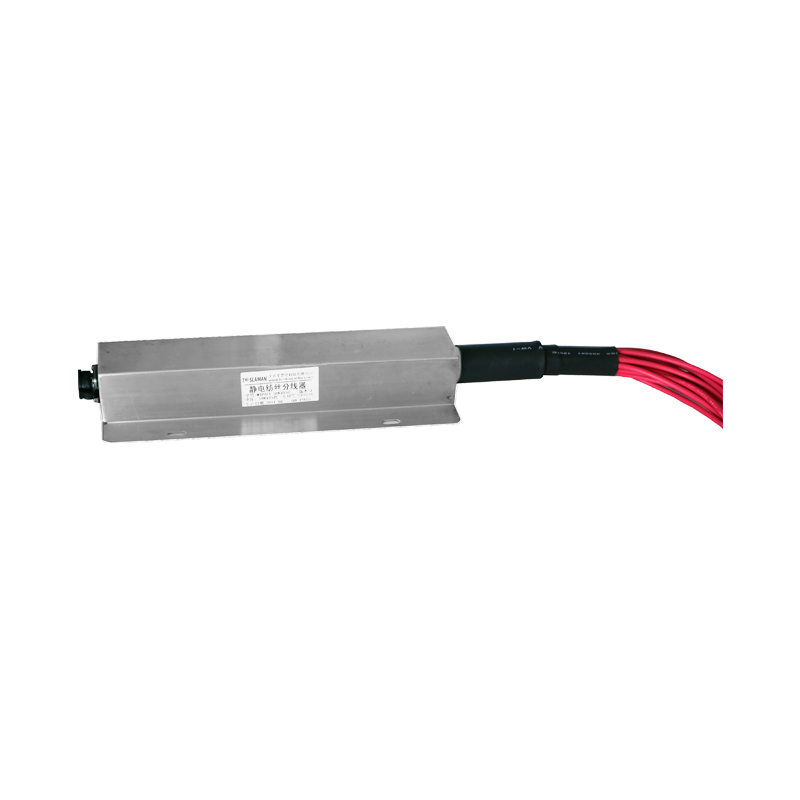
Electron Beam Additive Manufacturing High Voltage Power Supply Digital Intelligent Control Platform
Electron beam additive manufacturing has emerged as a leading technology for producing complex metal components directly from digital designs, offering advantages in material properties, geometric freedom, and production flexibility compared to conventional manufacturing methods. The high voltage power supply that generates and controls the electron beam serves as the critical enabler of this technology, and the implementation of digital intelligent control platforms fundamentally transforms the capability and reliability of modern electron beam additive manufacturing systems. Advanced digital control systems enable the precision, flexibility, and process monitoring capabilities required for production-scale implementation of this transformative manufacturing technology. The adoption of electron beam additive manufacturing continues to expand as the technology matures and demonstrates capability for production applications.
The electron beam generation system in additive manufacturing equipment requires high voltage power supplies operating at potentials typically ranging from 30 to 60 kilovolts, with beam power capabilities from hundreds of watts to tens of kilowatts depending on machine size and application requirements. The power supply must provide stable, precise voltage for consistent electron acceleration, controllable current for adjustable beam power, and fast response for beam positioning and power modulation during the build process. Traditional analog control systems provide adequate performance for basic electron beam applications, but digital intelligent control platforms enable substantially enhanced capabilities that address the demanding requirements of additive manufacturing. The transition from analog to digital control represents a significant advancement in electron beam system capability.
Digital control architecture for electron beam power supplies employs high-resolution analog-to-digital converters for voltage and current measurement, digital signal processors for real-time control calculations, and precision digital-to-analog converters for control signal generation. This digital approach enables control algorithms of arbitrary complexity without the stability, drift, and calibration concerns associated with analog implementations. Digital controllers can implement proportional-integral-derivative control with adaptive tuning, feedforward compensation based on process models, and sophisticated nonlinear control strategies that would be impractical or impossible with analog circuits. The flexibility of digital control enables continuous improvement through software updates that enhance performance and add capabilities.
Voltage stability requirements for electron beam additive manufacturing exceed those for many other electron beam applications due to the critical importance of consistent energy deposition on part quality. Voltage variations cause corresponding changes in electron energy and penetration depth, potentially affecting melt pool characteristics and resulting material properties. Digital control systems achieve stability specifications of 0.01 percent or better through high-resolution measurement, precise control algorithms, and environmental compensation that would be extremely challenging with analog systems. The exceptional stability of modern digital power supplies enables the consistent part quality that production applications require.
Beam current control through filament emission regulation enables precise power control essential for consistent melting and solidification during the build process. Digital systems can implement complex emission control algorithms that compensate for filament aging, vacuum condition changes, and other factors that affect emission characteristics. Predictive algorithms based on historical emission trends enable proactive adjustment that maintains consistent beam current despite gradual degradation of emission characteristics over filament lifetime. These advanced emission control capabilities extend filament lifetime while maintaining stable beam characteristics throughout extended build processes.
Process monitoring capabilities in digital intelligent control platforms provide real-time visibility into power supply and beam parameters that support quality assurance and process optimization. High-speed data acquisition captures voltage, current, and beam position information with precise timing, enabling detailed analysis of process dynamics. Statistical process control algorithms detect deviations from normal operation that could indicate developing problems, enabling corrective action before part quality is affected. Data logging provides comprehensive documentation of process conditions for quality traceability and root cause analysis of any quality issues discovered after build completion. These monitoring capabilities support the qualification requirements for aerospace, medical, and other demanding applications.
Communication interfaces in modern digital control platforms enable integration with overall electron beam system automation and factory information systems. Standard communication protocols including Ethernet, EtherCAT, and OPC UA provide connectivity for command and control functions, while database interfaces enable storage and retrieval of process data for analysis and archival. Integration with powder handling, vacuum system, and motion system controls enables coordinated process execution that optimizes build quality and efficiency. The connectivity of modern control systems supports the integration requirements of smart manufacturing environments.
Human-machine interface systems for digital control platforms provide operators with intuitive access to power supply functions, process parameters, and diagnostic information. Graphical displays present voltage, current, and beam position information in formats optimized for operator comprehension, while alarm and status displays highlight conditions requiring attention. Touch-screen interfaces enable efficient parameter adjustment and recipe selection, reducing operator training requirements and minimizing opportunities for operator error. Well-designed human-machine interfaces contribute significantly to equipment productivity and safety by enabling operators to effectively monitor and control the process.
Remote monitoring and diagnostic capabilities in digital control platforms enable expert support for electron beam additive manufacturing systems regardless of geographic location. Secure internet connectivity allows remote access to power supply diagnostics, enabling troubleshooting assistance from equipment manufacturers without requiring on-site service visits. Remote capability also enables equipment performance monitoring by manufacturer service personnel, supporting predictive maintenance programs that maximize equipment availability while minimizing unplanned downtime. The remote connectivity capabilities of modern control systems represent a significant advancement in equipment support efficiency.
Software update capabilities in digital control platforms enable continuous improvement of power supply functionality without hardware modification. Algorithm improvements, feature additions, and bug fixes can be deployed through software updates, extending the capability and reliability of equipment over its operational lifetime. Secure update mechanisms prevent unauthorized or corrupted software from affecting system operation, while version control ensures traceability of software configuration. The ability to enhance equipment capability through software updates provides ongoing value to equipment users throughout the equipment lifetime.
Reliability considerations for digital control systems require robust hardware design, comprehensive software testing, and appropriate redundancy for critical functions. Industrial-grade components rated for extended temperature ranges and electrical noise environments ensure reliable operation in manufacturing settings. Software development processes following established standards minimize the risk of software defects that could affect system operation. Watchdog timers and safe-state mechanisms ensure that system failures cannot result in hazardous conditions or uncontrolled beam operation. The comprehensive approach to reliability engineering ensures that digital control systems meet the demanding requirements of production environments.
The implementation of digital intelligent control platforms for electron beam additive manufacturing power supplies represents a significant advancement that addresses the demanding requirements of production applications. The precision, flexibility, and monitoring capabilities enabled by digital control support the consistent, high-quality output needed for industrial adoption of this transformative manufacturing technology. Continued development of control algorithms, interface capabilities, and integration features will further enhance the value of digital control platforms for electron beam additive manufacturing applications.