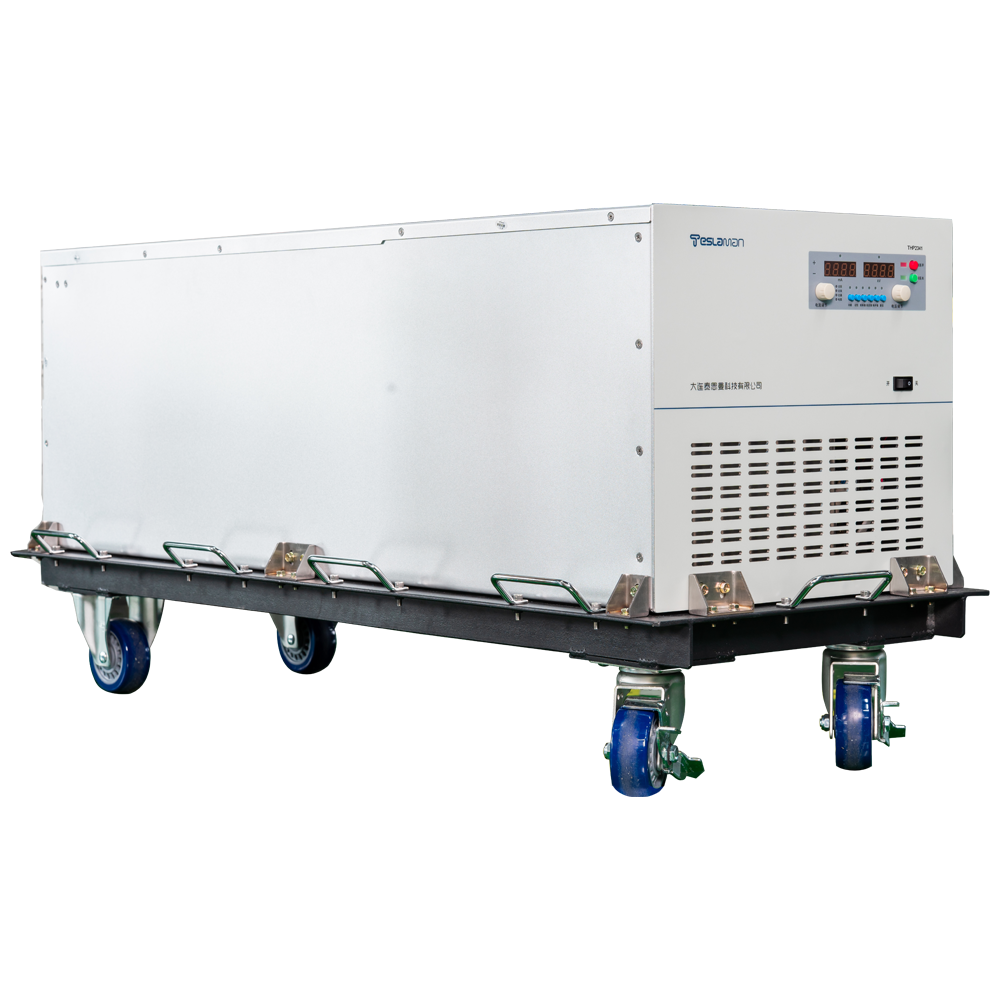
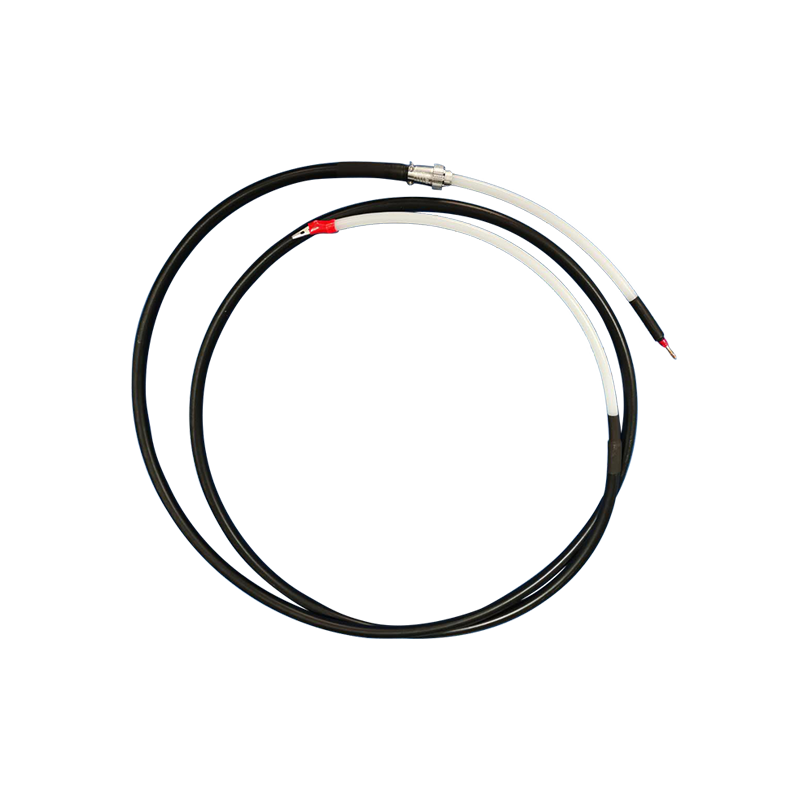
Ion Beam System High Voltage Power Supply and Electron Beam System Power Matching Strategy
Ion beam and electron beam systems represent sophisticated applications of high voltage technology requiring precise coordination between multiple power supply subsystems. Power matching strategies ensure stable operation across the full range of beam currents and energies while protecting sensitive components from electrical overstress. Development and implementation of effective matching strategies demands comprehensive understanding of beam physics, power supply dynamics, and system-level interactions that span particle accelerator engineering, plasma physics, and advanced control system design. The complexity of these systems requires careful integration of multiple engineering disciplines to achieve optimal performance.
Ion source operation in ion beam systems requires precisely controlled discharge voltages and currents that determine plasma characteristics and ion extraction efficiency. Freeman ion sources typically operate with discharge voltages between 50 and 100 volts at currents from 1 to 10 amperes, requiring robust low-voltage power supplies with excellent regulation and current limiting capabilities. Extraction power supplies providing voltages from tens to hundreds of kilovolts accelerate extracted ions into the beamline, where coordination between discharge and extraction supplies ensures stable plasma conditions during beam extraction and prevents instabilities that could compromise beam quality. The interaction between ion source parameters and beam quality has been extensively studied and modeled. Advanced control algorithms coordinate discharge and extraction parameters to maintain optimal beam characteristics.
Electron beam systems require different power supply configurations reflecting the distinct physics of electron emission and acceleration, where thermionic emission from heated cathodes requires stable heating current supplies that maintain cathode temperature within narrow limits for consistent emission current. Acceleration power supplies providing voltages from tens to hundreds of kilovolts create the electric fields that accelerate electrons toward the workpiece, while beam current regulation through cathode temperature or extraction electrode voltage control maintains desired beam power at the target surface. The control of electron emission and acceleration requires different approaches than ion beam systems. Modern electron beam systems employ sophisticated feedback control to maintain beam stability under varying operating conditions.
Beam energy stability requirements determine power supply regulation specifications, where many ion implantation applications require energy stability better than 0.1% to achieve precise doping depth profiles and electron beam welding applications may tolerate energy variations of several percent without affecting weld quality. High-resolution ion beam analysis techniques require energy stability better than 0.01% for accurate depth profiling, making power supply regulation specifications critically dependent on application requirements and avoiding over-specification that increases system cost without corresponding performance benefits. Matching power supply specifications to application requirements optimizes the cost-performance trade-off. Detailed application analysis ensures that power supply specifications align with actual process requirements.
Current regulation requirements vary with application-specific beam stability demands, where semiconductor processing applications typically require beam current stability better than 1% for consistent process results while materials processing applications may accept wider current variations. Power supply current regulation capabilities must accommodate load variations from beam transport effects including space charge neutralization dynamics and beam line component interactions that cause rapid load impedance changes during normal operation. The dynamic behavior of beam loads presents challenges for power supply regulation. Advanced regulation algorithms incorporating feedforward control elements have proven effective for managing dynamic beam load variations.
Load interactions between extraction and acceleration power supplies create potential stability challenges in multi-supply systems, where rapid changes in beam current cause voltage transients on extraction supplies that may couple into acceleration supply control circuits through common impedance paths. Grounding architecture design minimizing common impedance paths between supplies reduces coupling, while isolation between control circuits using optical or magnetic coupling techniques prevents electrical interaction that could compromise regulation performance. Proper grounding and isolation are essential for stable multi-supply operation. System-level analysis of grounding and shielding requirements has become increasingly important as beam system complexity has increased.
Arc detection and protection strategies must protect both power supplies and beam line components from damage during fault conditions, where ion source arcs between plasma and extraction electrodes generate high current surges that can damage extraction power supplies if not rapidly interrupted. Fast-acting current limiters detect arc initiation within microseconds and reduce voltage to safe levels, while controlled voltage ramp-up sequences after arc extinction prevent immediate re-ignition and allow plasma conditions to stabilize before resuming beam extraction. Arc protection is essential for equipment protection and operational reliability. Modern arc detection systems employ advanced algorithms to distinguish between normal operational transients and genuine arc events.
Thermal management considerations influence power supply design and installation requirements, where high voltage components generate heat through resistive and dielectric losses. Oil-filled tank construction provides both electrical insulation and thermal conduction to external heat sink surfaces, while forced-air cooling systems maintain acceptable operating temperatures in rack-mount and cabinet installations. Temperature monitoring systems detect cooling system degradation before component damage occurs and enable predictive maintenance scheduling. Proper thermal management is essential for achieving rated service life. Thermal simulation tools have become essential for optimizing power supply thermal design in modern beam systems.
Pulsed operation modes common in ion and electron beam applications impose additional power supply requirements, where pulsed ion implantation processes enable higher instantaneous beam currents while maintaining acceptable target heating and electron beam pulsed welding applications require precise pulse timing and amplitude control. Power supplies for pulsed applications must deliver peak currents exceeding average ratings while maintaining regulation during rapid load transitions and providing accurate pulse-to-pulse reproducibility. Pulsed operation presents unique challenges for power supply design and control. Specialized pulsed power topologies have been developed specifically to meet the demanding requirements of beam pulsing applications.
Multiple extraction stage coordination in tandem accelerator configurations requires precise voltage ratio control, where terminal potential determines final beam energy while intermediate extraction voltages establish proper beam transport conditions. Voltage ratio tolerances typically must be maintained below 1% to prevent beam trajectory errors causing particle losses, making master-slave control configurations using precision resistor dividers essential for ensuring stable voltage ratios despite individual supply drift. The coordination of multiple acceleration stages is critical for achieving target beam energy. Advanced control systems employing digital ratio controllers have significantly improved tandem accelerator stability.
Control system integration enables coordinated operation of multiple power supplies under supervisory system direction, where industrial programmable logic controllers provide robust sequencing and interlock functionality while computer-based control systems enable sophisticated optimization algorithms that adjust power supply parameters in response to beam diagnostic measurements. Network communication protocols enable remote monitoring and control from central control room locations and support distributed control architectures across large accelerator facilities. Integrated control systems are essential for efficient and reliable accelerator operation. Modern control architectures employ distributed processing with centralized supervision.
Calibration and verification procedures establish traceability between power supply settings and actual beam parameters, where beam energy calibration using nuclear reaction analysis or channeling techniques verifies acceleration voltage accuracy while beam current calibration using precision faraday cups verifies current regulation accuracy. Periodic calibration intervals ensure continued compliance with process specifications throughout the equipment service life and maintain quality system documentation for regulated applications. Comprehensive calibration programs are essential for maintaining process integrity in production applications.