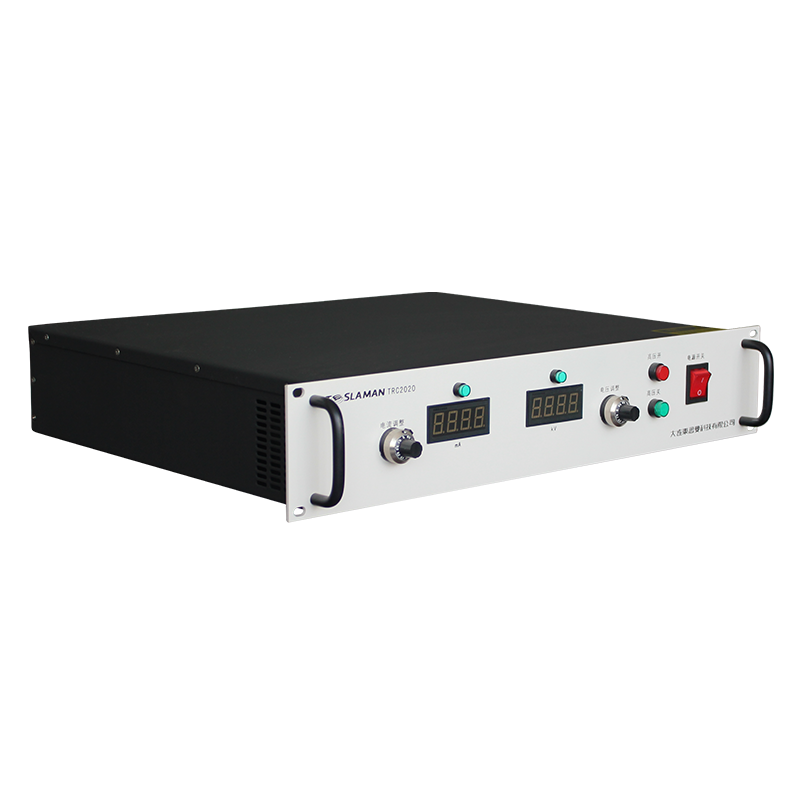
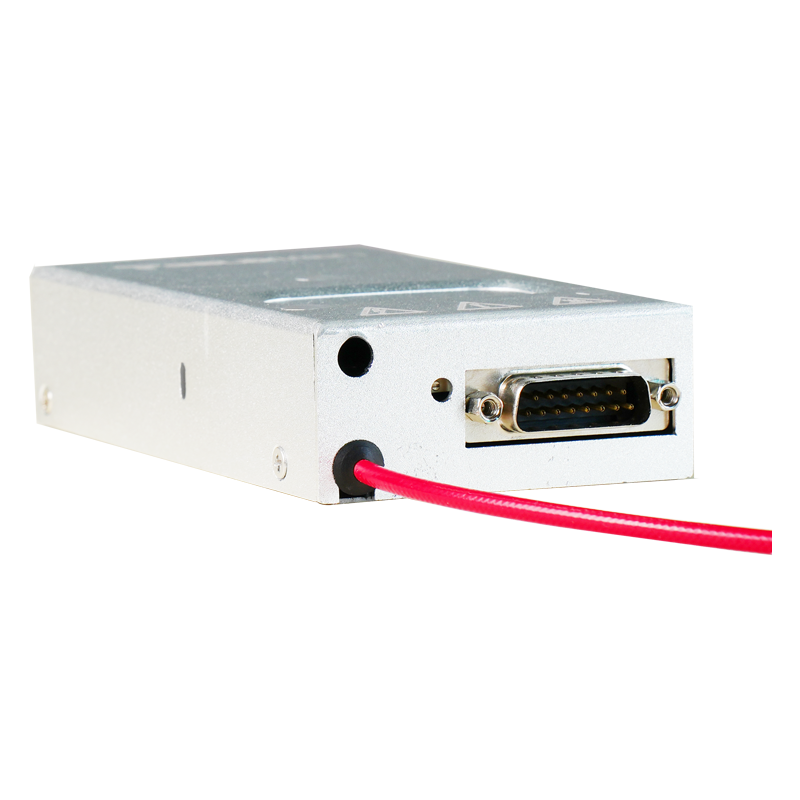
225kV High Voltage Power Supply Power Supply Scheme in Electron Microscope Imaging Systems
Transmission electron microscopy imaging systems operating at accelerating voltages up to 225 kilovolts require high voltage power supplies delivering exceptional stability and precision for high-resolution imaging and analytical applications. The power supply scheme for such instruments must address multiple challenges including voltage stability, ripple suppression, arc protection, and thermal management while fitting within the space constraints typical of laboratory instrument installations. Understanding the design requirements and implementation approaches reveals the engineering complexity inherent in electron microscope power supply systems. Power supply performance directly determines imaging capability and analytical precision.
Electron microscope operation depends on precise electron beam formation, acceleration, and control throughout the electron optical column. The accelerating voltage determines electron wavelength, which directly influences theoretical image resolution. Higher voltages provide shorter wavelengths enabling higher resolution, though practical resolution also depends on lens aberrations and mechanical stability. The 225 kilovolt operating point represents a balance between resolution capability and specimen damage considerations for materials science applications. Voltage stability and precision directly affect achievable resolution and analytical performance.
Voltage stability requirements for high-resolution imaging typically specify stability better than one part per million per minute, with even tighter requirements for high-resolution phase contrast imaging where voltage fluctuations cause phase shifts that degrade image quality. Achieving this stability demands power supply designs that minimize all sources of drift and noise. Temperature-stabilized reference circuits provide baseline voltage accuracy with minimal thermal coefficients. Feedback regulation compares output voltage against these references with high-gain circuits that correct for any deviations from setpoint. Stability requirements drive demanding design specifications.
Ripple and noise on the accelerating voltage modulates electron energy, causing focus shifts and chromatic aberration effects that degrade image resolution. High voltage multiplier circuits inherently generate ripple at the switching frequency, requiring filtering stages that reduce ripple to acceptable levels. Multi-stage LC filters achieve substantial ripple attenuation, though component values must be selected considering transient response requirements. Active ripple suppression circuits inject compensating currents that cancel residual ripple, achieving extremely low output noise levels. Ripple performance directly affects achievable resolution.
High voltage generation approaches for electron microscopy include resonant transformer designs, high frequency switching supplies, and Cockcroft-Walton multiplier circuits. Each approach offers distinct advantages for different aspects of performance. Resonant transformers provide natural voltage regulation through resonance characteristics and achieve low ripple through sinusoidal operation. High frequency switching supplies offer compact implementation and high efficiency, requiring careful attention to switching noise suppression. Cockcroft-Walton multipliers scale voltage through multiple rectifier-capacitor stages, offering simplicity at the cost of higher ripple content requiring additional filtering. Topology selection affects size, efficiency, and performance tradeoffs.
Thermal management in electron microscope power supplies must address both temperature sensitivity of electronic components and heat dissipation from power conversion circuits. Temperature variations cause component parameter drifts that affect voltage stability, making thermal control essential for achieving specified performance. Liquid cooling systems provide effective heat removal from high power components while maintaining stable temperatures within the power supply enclosure. Temperature-regulated enclosures shield sensitive components from ambient temperature fluctuations in laboratory environments. Thermal stability directly affects voltage stability performance.
Arc protection safeguards both the power supply and the electron microscope column from damage during high voltage breakdown events. Electrical arcs can occur in the accelerating tube or other high voltage structures due to vacuum degradation, contamination, or component failure. Rapid arc detection and voltage termination prevent energy dissipation that could damage accelerating tube electrodes or power supply components. Current limiting and energy absorption circuits dissipate stored energy safely when arcs occur. Automatic recovery sequences restore voltage after arc clearing, enabling continuation of imaging without manual intervention. Arc protection prevents equipment damage and improves operational efficiency.
Multiple output channels serve different functions in electron microscope power supply schemes. The main accelerating voltage output drives the electron gun and accelerating tube. Bias supplies for the electron gun provide extraction voltage for electron emission from the filament. Filament heating current requires precise regulation to maintain stable emission. Wehnelt cylinder bias affects electron source characteristics. Each of these supplies must operate stably while coordinating with the main accelerating voltage for overall beam stability. Multiple supply coordination affects overall beam performance.
Control interface integration enables communication between the power supply and microscope control computer. Digital interfaces transmit voltage setpoint commands and receive status information including voltage levels, current readings, and fault indications. Analog interfaces provide real-time voltage and current signals for beam synchronization and diagnostic purposes. Software control enables automated voltage sequences for tomography, diffraction, and other analytical techniques requiring voltage variation during data acquisition. Control integration enables sophisticated imaging and analysis modes.
Grounding design significantly influences achievable performance in electron microscope power supply installations. The high voltage return path must follow a defined route that prevents circulating currents from inducing noise in sensitive detector circuits. Grounding of the microscope column to the power supply return establishes a common reference potential throughout the electron optical system. Shielding of high voltage cables and components prevents capacitive coupling that might induce interference in nearby circuits. Grounding design affects imaging noise and stability.
Maintenance and calibration procedures ensure continued performance throughout the equipment operational lifetime. High voltage components require periodic inspection for contamination, tracking marks, or other degradation indicators. Capacitance and insulation resistance measurements verify component condition. Calibration verification confirms that voltage readout accurately reflects actual output voltage. Aging compensation in control circuits maintains stability as component parameters drift gradually over years of operation. Maintenance preserves performance throughout equipment lifetime.
Safety interlocks prevent operator exposure to high voltage during maintenance access or abnormal operating conditions. Equipment panels providing access to high voltage components incorporate switches that remove power when opened. Safety grounds discharge stored energy before access is permitted. Warning indicators show high voltage status clearly to prevent accidental contact. These safety features protect maintenance personnel while enabling necessary access for routine inspection and repair activities. Safety design protects personnel and equipment.
The continuing development of electron microscopy toward higher resolution and more sophisticated analytical techniques drives corresponding improvements in power supply technology. Improved stability, reduced noise, and enhanced reliability support imaging performance that approaches theoretical limits. Power supply designs specifically engineered for electron microscopy applications deliver performance that general-purpose high voltage supplies cannot achieve, enabling the exceptional imaging capabilities that modern electron microscopes provide. Continued power supply development enables advancing microscopy capabilities.