Industrial Directed Energy Equipment Compact High Voltage Power Supply Design Optimization
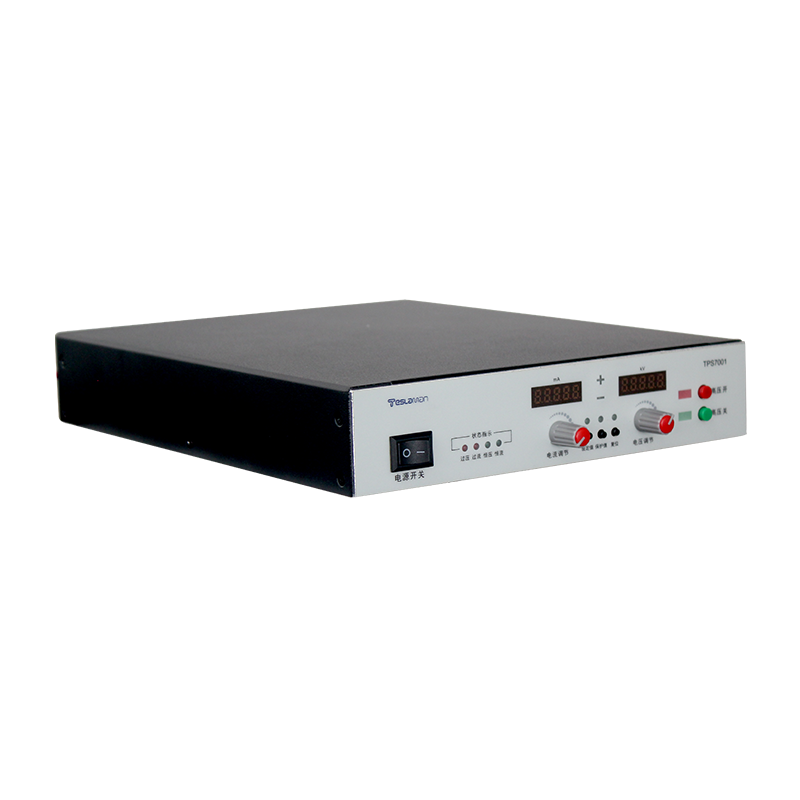
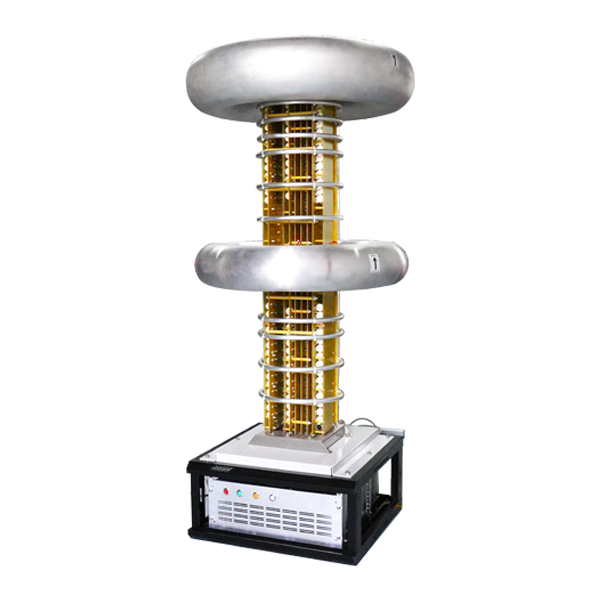
Industrial directed energy equipment applications require compact high voltage power supplies delivering substantial output power while maintaining reliability under demanding operational conditions. Design optimization of such power supplies balances competing requirements including power density, efficiency, thermal management, and electrical performance characteristics essential for system integration. The evolution of industrial processes toward higher performance and reduced equipment footprint intensifies demands upon power supply design. Successful designs integrate multiple engineering disciplines to achieve optimal solutions.
Compact power supply design begins with selection of appropriate power conversion topology. Resonant converters, including series resonant and LLC configurations, offer advantages in high voltage applications through reduced switching losses and improved efficiency compared to hard-switched alternatives. Operating frequencies in the range of 50 to 500 kilohertz enable magnetic component size reduction while maintaining acceptable switching losses in power semiconductors. Topology selection must account for required output characteristics and operating environment. Trade-offs between size, efficiency, and cost guide topology decisions.
High voltage generation typically employs transformer step-up configurations converting low voltage input power to kilovolt-level outputs. Transformer design for compact applications requires optimization of core geometry, winding configurations, and insulation systems. Ferrite materials operating at elevated frequencies enable reduced core cross-sections while maintaining acceptable flux density levels. Winding structures must provide adequate dielectric isolation between primary and secondary circuits while minimizing parasitic capacitance that would impair high frequency performance. Advanced winding techniques reduce parasitic elements while maintaining isolation.
Thermal management represents a critical constraint in compact high voltage power supply design. Power dissipation from switching devices, magnetic components, and high voltage rectifiers generates heat that must be removed to maintain component temperatures within operational limits. Natural convection cooling simplifies design but limits achievable power density. Forced air cooling through optimized airflow paths enables higher power densities at the cost of additional fan power consumption and potential reliability concerns. Thermal simulation tools guide cooling system design for optimal heat removal.
Advanced thermal management approaches including liquid cooling and phase change heat transfer offer superior heat removal capabilities for extremely compact designs. However, these approaches introduce additional system complexity, maintenance requirements, and potential failure modes that must be weighed against thermal performance benefits. Thermal simulation tools guide design decisions toward optimal solutions for specific application requirements. Selection of thermal management approach depends upon power density requirements and operating environment.
Component selection for compact high voltage power supplies emphasizes reliability under electrical and thermal stress. Power semiconductors including MOSFET and IGBT devices must withstand voltage and current stresses during normal operation and transient conditions. Derating guidelines established through empirical testing and manufacturer recommendations ensure adequate component life under intended operating conditions. Component qualification programs verify suitability for demanding industrial environments. Conservative component selection reduces field failure rates.
High voltage rectification stages convert the transformer secondary alternating current output to direct current required by load circuits. Silicon carbide diodes offer advantages over traditional silicon rectifiers through reduced forward voltage drop, faster switching characteristics, and superior thermal conductivity. These characteristics translate to improved efficiency and reduced cooling requirements in compact designs. Wide bandgap semiconductor technology continues advancing power supply performance capabilities. Adoption of advanced semiconductor devices enables higher performance in smaller packages.
Capacitor technology selection for high voltage filtering and energy storage applications significantly impacts power supply size and reliability. Film capacitors offer excellent self-healing characteristics and stable capacitance over temperature ranges but exhibit lower energy density compared to electrolytic alternatives. Hybrid approaches combining multiple capacitor types optimize performance across different circuit locations within the power supply. Capacitor life projections influence maintenance interval planning. Selection of capacitor technology affects both size and reliability.
Control circuit design for compact high voltage power supplies increasingly employs digital signal processing techniques enabling sophisticated regulation algorithms and diagnostic capabilities. Microcontroller-based control platforms implement proportional-integral-derivative regulation, feedforward compensation, and adaptive tuning algorithms that optimize performance across varying load conditions. Digital communication interfaces enable remote parameter adjustment and performance monitoring essential for integrated system operation. Digital control enables advanced features impossible with analog implementations.
Electromagnetic compatibility considerations become increasingly important as power density increases and operating frequencies elevate. High frequency switching generates electromagnetic interference that may affect sensitive electronics in proximate equipment. Compact packaging approaches must incorporate filtering, shielding, and layout techniques that limit both conducted and radiated emissions to acceptable levels. Compliance with electromagnetic compatibility standards ensures system integration success. Electromagnetic compatibility design must address both emission and immunity requirements.
Mechanical design for compact high voltage power supplies addresses both electrical isolation requirements and environmental protection needs. Potting materials encapsulate high voltage circuits providing dielectric isolation, moisture protection, and vibration resistance. Material selection balances electrical, thermal, and mechanical properties while maintaining manufacturability and serviceability considerations. Enclosure designs must meet applicable safety and environmental specifications. Mechanical design integrates multiple functional requirements into compact packages.
Regulatory compliance requirements including safety certifications and electromagnetic compatibility standards influence design decisions throughout the optimization process. Component spacing requirements for electrical safety, enclosure design for fire containment, and protection against electrical shock hazards establish boundary conditions for compact packaging approaches. Documentation packages supporting regulatory submissions require careful attention throughout the development process. Compliance engineering activities must begin early in the design process.
Production testing and qualification procedures verify that optimized designs meet performance specifications across manufacturing tolerances and environmental conditions. Accelerated life testing, temperature cycling, and vibration exposure validate reliability assumptions incorporated during design phases. Statistical process control during manufacturing ensures consistent quality across production lots. Test coverage must address all critical performance parameters. Comprehensive testing programs reduce risk of field failures.
Serviceability considerations in compact designs require careful attention to maintenance access and component replacement procedures. While compact packaging optimizes initial size and weight, designs must accommodate necessary maintenance activities including high voltage component replacement, filter changes, and firmware updates. Modular architectures enabling replacement of subassemblies simplify field maintenance operations. Design for serviceability reduces total cost of ownership over equipment lifetime. Serviceability requirements may conflict with size optimization goals.
Cost optimization alongside technical performance enables practical implementation of compact high voltage power supply designs. Material cost, assembly labor, testing overhead, and qualification expenses contribute to total production cost. Value engineering approaches identify cost reduction opportunities without compromising essential performance characteristics or reliability requirements. Continuous improvement programs drive ongoing cost reduction throughout product lifecycle. Cost targets must be established early in the design process to guide trade-off decisions.