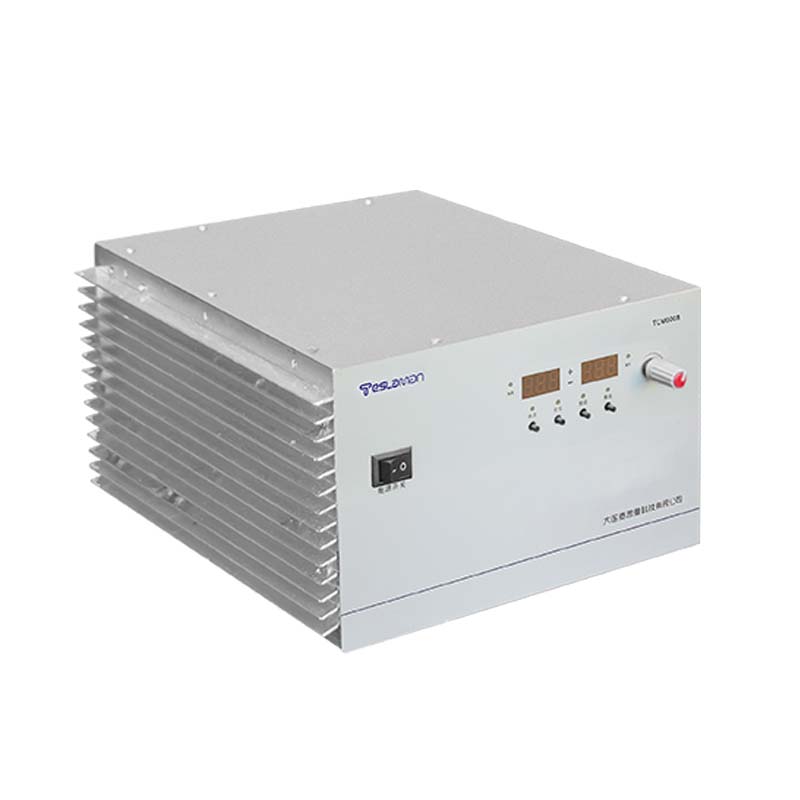
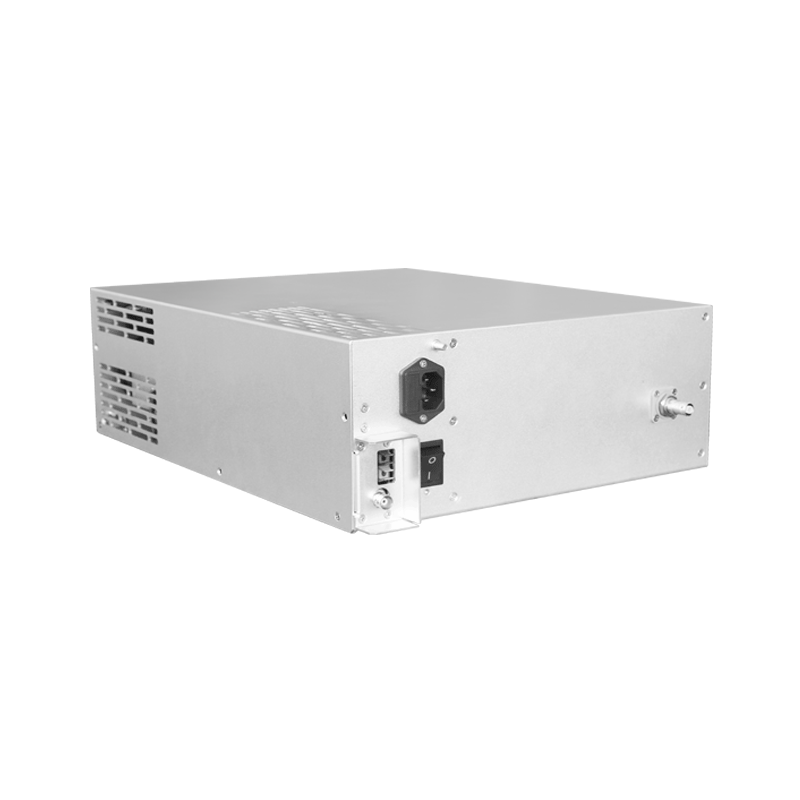
Microchannel Plate Detector High Voltage Power Supply Low Power High Gain Technology
Microchannel plate detectors represent sophisticated electron multiplication devices that require precisely controlled high voltage power supplies to achieve optimal detection performance. The unique operational characteristics of microchannel plates demand power supplies that deliver exceptional voltage stability, low noise performance, and precisely controlled current limiting while consuming minimal power for applications in portable instrumentation and space-constrained systems.
The microchannel plate structure consists of a thin plate containing millions of microscopic channels, each functioning as an independent electron multiplier. Secondary electrons generated by incident radiation or particles undergo cascading multiplication as they traverse the channel length under the influence of an applied electric field. The gain achieved depends exponentially on the channel length-to-diameter ratio and the applied voltage, making precise voltage control essential for stable detector operation.
Traditional high voltage power supplies for microchannel plate detectors draw considerable power from the high-voltage multiplier circuits required to generate potentials typically ranging from 1 to 3 kilovolts across the plate assembly. The resistive current flowing through the microchannel plate itself, typically in the microampere range, represents only a small fraction of the total power consumption when using conventional linear regulator designs. The development of high-efficiency switching power supply topologies specifically optimized for the low-current, high-voltage requirements of microchannel plate bias has enabled significant reductions in total power consumption while maintaining the voltage stability necessary for detector gain control.
Gain stability in microchannel plate detectors relates directly to voltage stability through the exponential dependence of electron multiplication on applied field strength. A voltage change of just 1 percent can produce gain variations exceeding 10 percent, making voltage regulation specifications of 0.01 percent or better necessary for applications requiring precise gain calibration. Achieving such regulation accuracy requires careful attention to reference voltage stability, error amplifier drift, and thermal effects throughout the power supply circuitry.
The low noise performance required for optimal detector resolution demands particular attention to switching converter design in modern microchannel plate power supplies. Switching frequencies above 100 kilohertz enable the use of smaller filter components while placing switching harmonics above the bandwidth of detector signal processing electronics. Resonant converter topologies minimize switching losses and electromagnetic interference compared to hard-switched designs, further improving detector noise performance. Shielding of high-frequency circuitry and careful layout of high-voltage connections prevent capacitive coupling of switching noise into detector signal paths.
Current limiting capability represents a critical function in microchannel plate power supplies that directly affects detector longevity and reliability. When the microchannel plate experiences excessive electron flux that saturates the multiplication process, the resistive current through the plate increases dramatically. Without current limiting, this condition can lead to irreversible damage to the channel surfaces through excessive secondary emission loading or localized heating. Power supplies designed for microchannel plate applications incorporate active current limiting circuits that reduce output voltage when excessive current flows, protecting the detector while providing indication of overload conditions.
The partition of voltage across multiple microchannel plates in detector assemblies employing cascade configurations requires power supplies with multiple independently controlled outputs or precision resistor strings. In a typical chevron configuration with two plates in series, proper gain optimization requires the voltage across each plate to be balanced within a few percent. Power supplies incorporating precision voltage dividers or active regulation of each plate voltage enable optimal detector performance while maintaining simplicity of external control.
The extremely high internal resistance of microchannel plates, typically measured in megohms, means that the power supply operates essentially as a voltage source driving a nearly open circuit. This high source impedance creates challenges for voltage monitoring and regulation feedback, as leakage currents in insulation materials or connector assemblies can affect the actual voltage delivered to the plate. High-impedance voltage dividers employed for output monitoring must maintain their ratio accuracy over the full operating temperature range and throughout the operational life of the equipment.
Temperature coefficients of all voltage-determining components must be carefully matched to achieve the gain stability required in quantitative detection applications. The exponential gain-voltage relationship amplifies any temperature-induced voltage drift into substantial gain variation. Power supply designs incorporating ovenized reference circuits or digital temperature compensation algorithms maintain gain stability over the wide temperature ranges encountered in field-deployed detector systems.
Miniaturization of microchannel plate power supplies for portable and space applications presents unique challenges in thermal management and packaging. The heat generated by power conversion circuits must be dissipated without raising the temperature of nearby detector components that might affect their performance. Conduction cooling through mounting surfaces and radiation from external surfaces must be carefully balanced in systems operating in vacuum environments where convective heat transfer is unavailable.
The pulse response characteristics of microchannel plate power supplies affect detector behavior during rapidly changing input conditions. When the incident particle flux increases suddenly, the voltage across the plate must remain stable to maintain consistent gain. The effective capacitance of the power supply output circuit determines the voltage excursion that occurs during transient current demands. Power supply designs optimized for microchannel plate applications incorporate output filtering that provides adequate energy storage for typical pulse loads while limiting stored energy for safety during fault conditions.
Reliability considerations for microchannel plate power supplies extend beyond typical industrial applications due to the inaccessibility of detectors deployed in remote monitoring stations, underwater installations, or satellite payloads. Conservative component derating, redundant protection circuits, and thorough environmental testing ensure that power supplies meet the extended operational lifetime requirements typical of such applications. Component selection criteria emphasize proven reliability over cutting-edge performance specifications to minimize the risk of failures that would compromise detector operation.
The continuing development of microchannel plate detector technology toward higher gain, lower noise, and improved temporal resolution will drive corresponding evolution in power supply design. Higher voltages, tighter regulation, and faster response times will be required to fully exploit advances in detector structure design while maintaining the low power consumption and reliability characteristics essential for demanding applications.