Electron Multiplier High Voltage Power Supply Long-Term Stability in Particle Detection Experiments
Particle detection experiments conducted over extended periods require electron multiplier systems whose gain remains stable within precise tolerances for months or years of continuous operation. The high voltage power supplies providing bias to these detectors must exhibit exceptional long-term stability characteristics that go beyond typical specifications for laboratory instruments. Understanding and achieving this stability requires consideration of component aging, environmental effects, and design principles proven over decades of particle physics research.
Electron multipliers function through cascading secondary emission processes similar to microchannel plates but typically employ discrete dynode structures optimized for specific particle detection applications. The gain of such devices depends exponentially on the voltage applied between cathode and anode, with typical gains of one million achieved with applied voltages between one and three kilovolts depending on dynode material and geometry. Maintaining gain stability within one percent over extended operating periods requires voltage stability better than 0.1 percent, challenging the capabilities of conventional high voltage supplies.
Long-term stability in high voltage power supplies fundamentally depends on the stability of voltage reference elements that set the output level. Traditional designs employing temperature-compensated zener diodes or precision voltage reference integrated circuits achieve stability specifications measured in parts per million per thousand hours of operation. However, the actual stability achieved in field operation depends on numerous factors including operating temperature history, mechanical stress, and electrical loading conditions that may not be reflected in component datasheet specifications.
Voltage divider networks that establish the potential at each dynode must maintain their resistance ratios over time and temperature variations to preserve consistent electric field distributions within the multiplier structure. High-stability metal film resistors with temperature coefficients below 10 parts per million per degree Celsius provide adequate stability for most applications, but extreme stability requirements may necessitate specially selected or aged resistors matched for temperature coefficient tracking. The power dissipation in divider networks must be minimized to reduce self-heating effects that introduce temperature gradients affecting resistance ratio stability.
Humidity effects on high voltage circuitry can significantly impact long-term stability in environments without adequate climate control. Surface contamination on high-voltage insulators attracts moisture that increases leakage currents, affecting both output voltage and divider network ratios. Conformal coating of printed circuit boards and use of hydrophobic insulator materials mitigate these effects, but periodic maintenance cleaning may be necessary in humid installations. The design of high voltage assemblies should facilitate access for such maintenance without requiring complete disassembly.
Temperature cycling that occurs during power-up and power-down sequences introduces cumulative stress on voltage reference and divider components that can affect long-term drift characteristics. Systems designed for continuous operation typically exhibit better long-term stability than those frequently cycled on and off. When power cycling cannot be avoided, controlled ramping of output voltage during startup and shutdown reduces thermal and electrical stress on components compared to abrupt switching.
Electromagnetic interference from external sources can induce fluctuations in power supply output that may be misinterpreted as detector gain variations if not properly filtered. Shielding of control circuitry, filtering of input power, and careful grounding practices minimize interference susceptibility. In large experimental installations with numerous subsystems, coordination of grounding and shielding strategies across all equipment prevents inadvertent coupling paths that could compromise stability.
The selection of output voltage monitoring resistors for feedback and display purposes requires consideration of both absolute accuracy stability and temperature coefficient. Precision wirewound resistors or bulk metal foil types provide superior stability compared to conventional metal film types but at higher cost. The total resistance of the monitoring divider must be high enough to minimize current drain on the output while providing adequate signal for measurement circuitry with acceptable noise levels.
Capacitor aging effects in filter and timing circuits can influence long-term stability through gradual changes in switching frequency, ripple amplitude, or transient response characteristics. Electrolytic capacitors exhibit well-documented degradation mechanisms that accelerate at elevated temperatures, making thermal management critical for long-term reliability. Ceramic capacitors provide more stable characteristics but may exhibit microphonic effects that couple mechanical vibration into electrical noise in sensitive detector systems.
Documentation of power supply performance over time enables correlation of voltage variations with environmental conditions and detector gain measurements. Recording of output voltage, temperature, humidity, and other relevant parameters at regular intervals throughout extended experiments provides data for stability analysis and potential compensation algorithms. Such records also support identification of anomalous conditions that might indicate developing problems before they cause experimental data loss.
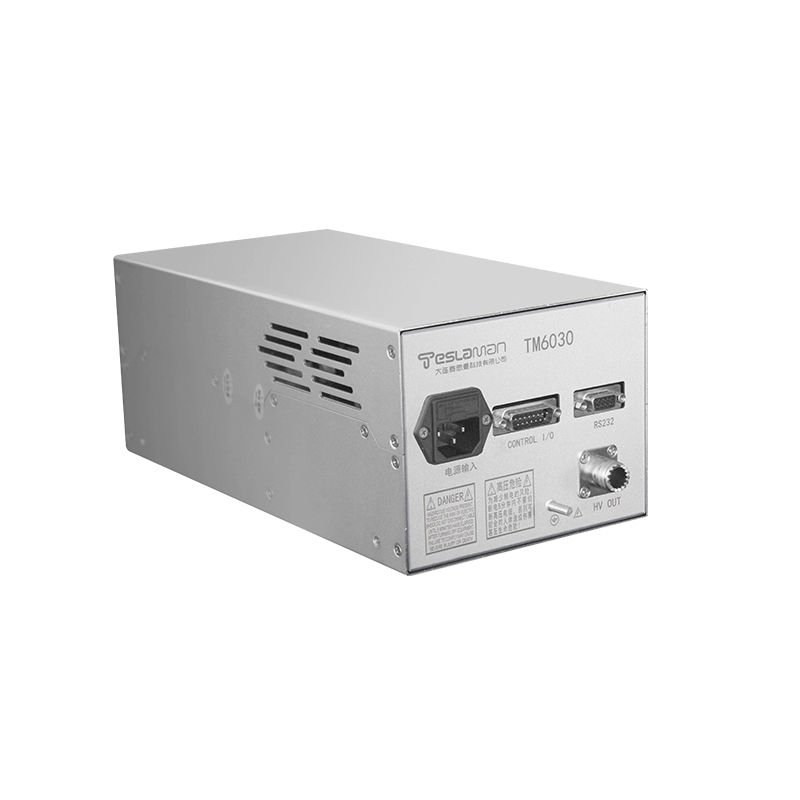
The design of power supply enclosures affects long-term stability through influences on internal temperature distribution and access to cooling air. Sealed enclosures protect against contamination but may experience internal temperature rise that accelerates component aging. Vented enclosures provide better thermal performance but allow entry of dust and humidity. Optimal designs balance these factors based on the specific environmental conditions of each installation.
Component derating philosophy significantly impacts achievable long-term stability in high voltage power supplies. Conservative operation of semiconductors, capacitors, and insulation materials at fractions of their maximum ratings reduces aging rates and improves reliability. The selection of high-reliability components specifically qualified for extended operation in high voltage applications, rather than consumer-grade parts operated near their limits, represents a worthwhile investment for particle detection experiments lasting years.
The accumulated experience from decades of particle detection experiments provides valuable guidance for new installations requiring long-term stability. Documentation of design approaches that succeeded, and those that failed to meet expectations, enables continuous improvement in power supply technology for this demanding application. Collaboration between researchers and power supply engineers ensures that new designs incorporate lessons learned from previous generations while taking advantage of advances in component technology.