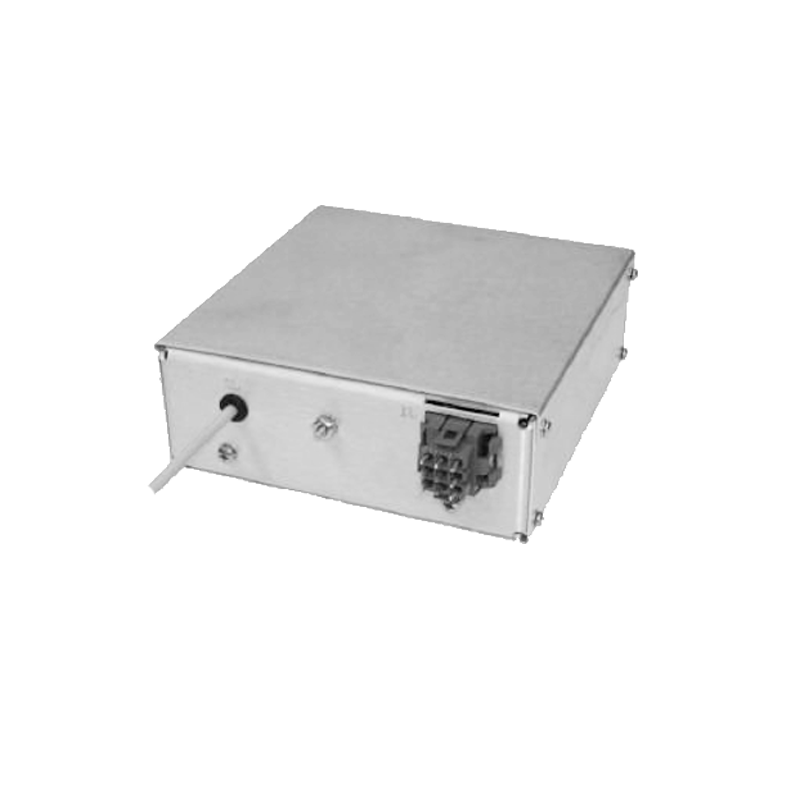
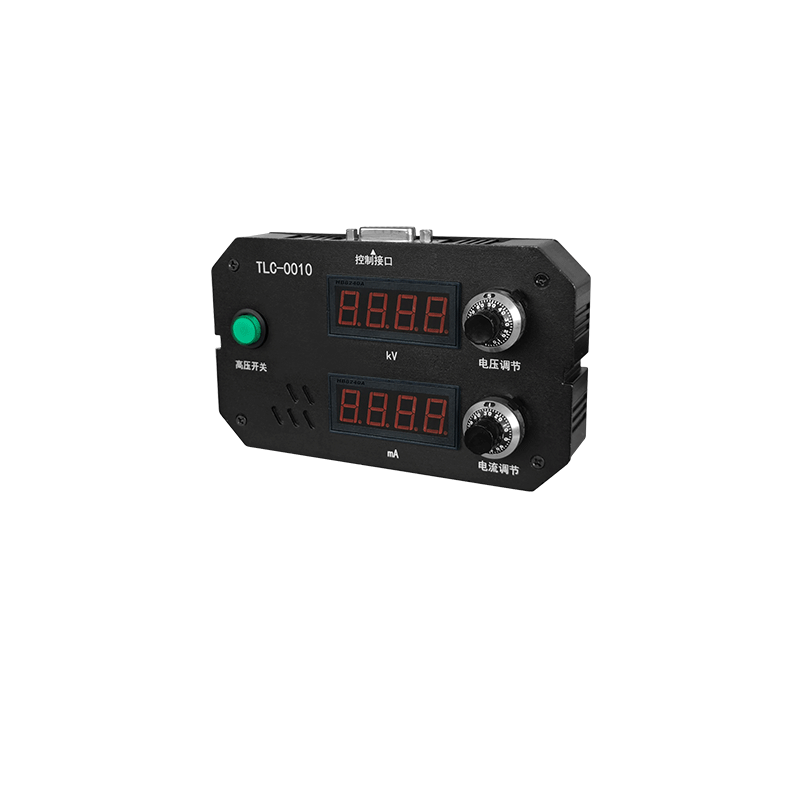
Magnetron Sputtering High Voltage Power Supply Uniform Power Supply in Large Display Coating
Magnetron sputtering technology has become the cornerstone of large display manufacturing, enabling the deposition of thin films with exceptional uniformity across substrates exceeding three meters in width. The high voltage power supply system serving this application represents one of the most demanding engineering challenges in modern semiconductor and display production equipment. Over five decades of development in this field have demonstrated that power supply characteristics directly determine coating quality, production yield, and operational economics. Understanding the fundamental relationships between power supply performance and coating outcomes enables optimization of these critical production systems. The continued evolution of display technology toward larger substrates and higher resolution standards places increasing demands on power supply performance and reliability.
The fundamental principle of magnetron sputtering relies on the creation and maintenance of a plasma discharge within a controlled atmosphere. High voltage applied between the cathode target material and the substrate initiates and sustains this plasma, with typical operating voltages ranging from 300 to 800 volts under direct current operation. The power supply must deliver substantial current, often exceeding 100 amperes, while maintaining voltage stability within one percent under varying load conditions caused by plasma dynamics. This combination of high current and precise voltage regulation distinguishes magnetron sputtering power supplies from conventional industrial power conversion equipment. The plasma characteristics directly influence the kinetic energy distribution of sputtered atoms arriving at the substrate surface, thereby determining film microstructure and properties.
Large display coating presents unique challenges that distinguish it from conventional semiconductor or optical coating applications. Substrates measuring 2.5 to 3.5 meters in width require deposition uniformity better than two percent across the entire surface to ensure display panels meet visual quality standards. This uniformity requirement translates directly into power supply specifications demanding exceptional output stability and minimal ripple. Experience has shown that voltage ripple exceeding 0.5 percent produces visible banding defects in the deposited films, rendering displays unsuitable for premium markets. The economic consequences of uniformity failures cascade through production planning, material utilization, and customer satisfaction metrics. Uniformity specifications continue tightening as display manufacturers pursue ever-higher quality standards for consumer electronics and professional displays.
The relationship between power supply performance and film quality manifests through several mechanisms. Voltage fluctuations cause variations in plasma density, altering the energy distribution of sputtered atoms arriving at the substrate surface. These energy variations affect film density, stress states, and adhesion characteristics. Current stability influences the rate of target material removal, directly impacting film thickness control. Maintaining both voltage and current stability simultaneously requires sophisticated feedback control systems operating at bandwidths exceeding 10 kilohertz. The control system must respond to plasma dynamics occurring at timescales ranging from microseconds for arc events to hours for gradual process drift. Advanced control algorithms incorporating feedforward compensation for known process disturbances complement feedback control to achieve optimal stability.
Power supply architecture for large display magnetron sputtering systems typically employs multiple converter stages. The input stage converts utility alternating current power to direct current through thyristor-based rectifiers or modern insulated gate bipolar transistor rectifiers offering improved power factor and reduced harmonic distortion. Intermediate direct current links provide energy storage and filtering, typically operating at 500 to 800 volts. Output stages convert this intermediate direct current to the regulated output required by the sputtering process, using high-frequency switching converters operating above 20 kilohertz to minimize output ripple while maintaining reasonable component sizes. Each stage must operate reliably under conditions unique to plasma processing environments. The choice of topology and components affects both initial performance and long-term reliability in production environments.
Arc suppression represents a critical power supply function in magnetron sputtering applications. Arcs occur when localized heating causes target material to vaporize explosively, creating a low-impedance path that diverts current from the intended sputtering discharge. Uncontrolled arcs damage targets, deposit droplets on substrates, and can propagate into catastrophic failures. Modern power supplies incorporate arc detection circuits responding within microseconds, reducing output voltage to extinguish arcs, then ramping voltage back to operating levels as plasma stabilizes. This arc handling capability must function continuously without interrupting production throughput. Arc management algorithms distinguish between harmful arcs requiring suppression and normal plasma fluctuations requiring no intervention. The arc suppression performance significantly affects target utilization and process yield.
Thermal management of power supply systems requires careful engineering consideration. Power converters operating at hundreds of kilowatts generate substantial heat losses, typically five to eight percent of output power. Forced-air cooling proves inadequate for systems exceeding 100 kilowatts, necessitating water-cooled heat sinks, bus bars, and semiconductor modules. Cooling system reliability directly impacts power supply availability, as temperature excursions trigger protective shutdowns preventing immediate catastrophic failures but reducing productivity. Thermal design must account for worst-case ambient conditions, process duty cycles, and cooling system degradation over equipment lifetime. Thermal modeling and simulation tools enable optimization of cooling system designs before construction.
Electromagnetic compatibility has become increasingly important as power supply switching frequencies rise to meet performance requirements. High-frequency switching converters generate conducted and radiated electromagnetic interference potentially affecting sensitive process control instrumentation. Power supply designs must incorporate input filters meeting international standards while output characteristics remain unaffected by filtering components. Shielded enclosures, proper grounding schemes, and careful component layout contribute to electromagnetic compatibility compliance without compromising electrical performance. Electromagnetic compatibility testing during design verification ensures compliance with facility requirements. Standards compliance must be maintained throughout equipment lifetime.
Output impedance characteristics significantly influence plasma stability. Low output impedance provides stable voltage under rapidly changing load conditions characteristic of plasma discharges. However, excessive current capability during fault conditions can cause extensive damage. Optimal output impedance design balances stable operation against fault current limitation, typically achieving output impedance below 0.1 ohms while incorporating current limiting circuits protecting both power supply and process equipment. Output impedance must remain stable across operating temperature ranges and over equipment lifetime to maintain process consistency. Impedance characteristics interact with plasma properties to determine overall system stability.
Calibration and verification of power supply performance requires specialized instrumentation and procedures. High-current measurements demand calibrated shunt resistors or Hall-effect sensors with accuracy exceeding 0.25 percent. Voltage measurement accuracy must exceed 0.1 percent to verify specification compliance. Regular calibration intervals, typically monthly in production environments, ensure maintained accuracy. Documentation of calibration results provides traceability supporting quality management systems required in display manufacturing operations. Calibration procedures must account for both steady-state performance and dynamic response characteristics affecting process outcomes. Calibration laboratories specializing in high-power measurements provide essential services for production equipment.
Power supply efficiency impacts operating costs substantially in high-throughput display production. Systems operating 24 hours daily consume significant electrical energy, making efficiency improvements economically valuable. Modern power supply designs achieve efficiencies exceeding 94 percent at full load, representing substantial improvements over earlier generations achieving only 85 to 90 percent efficiency. These efficiency gains reduce cooling requirements proportionally, further improving overall system economics. Efficiency optimization continues throughout equipment lifetime through periodic performance verification and component maintenance. Energy efficiency improvements contribute to sustainability goals while reducing operating costs.