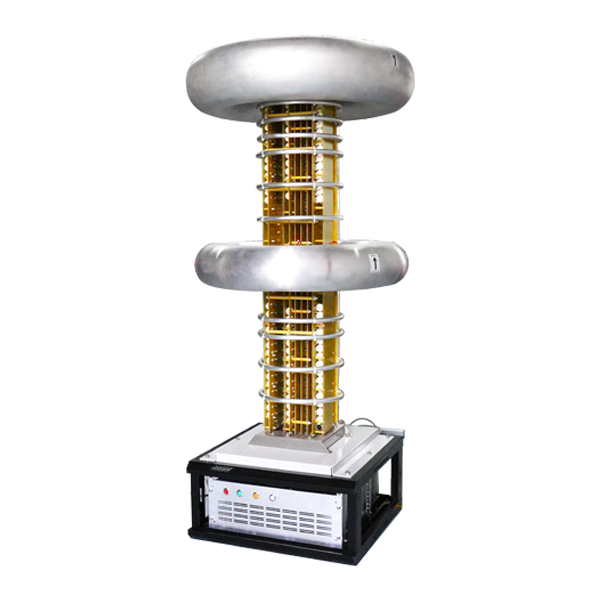
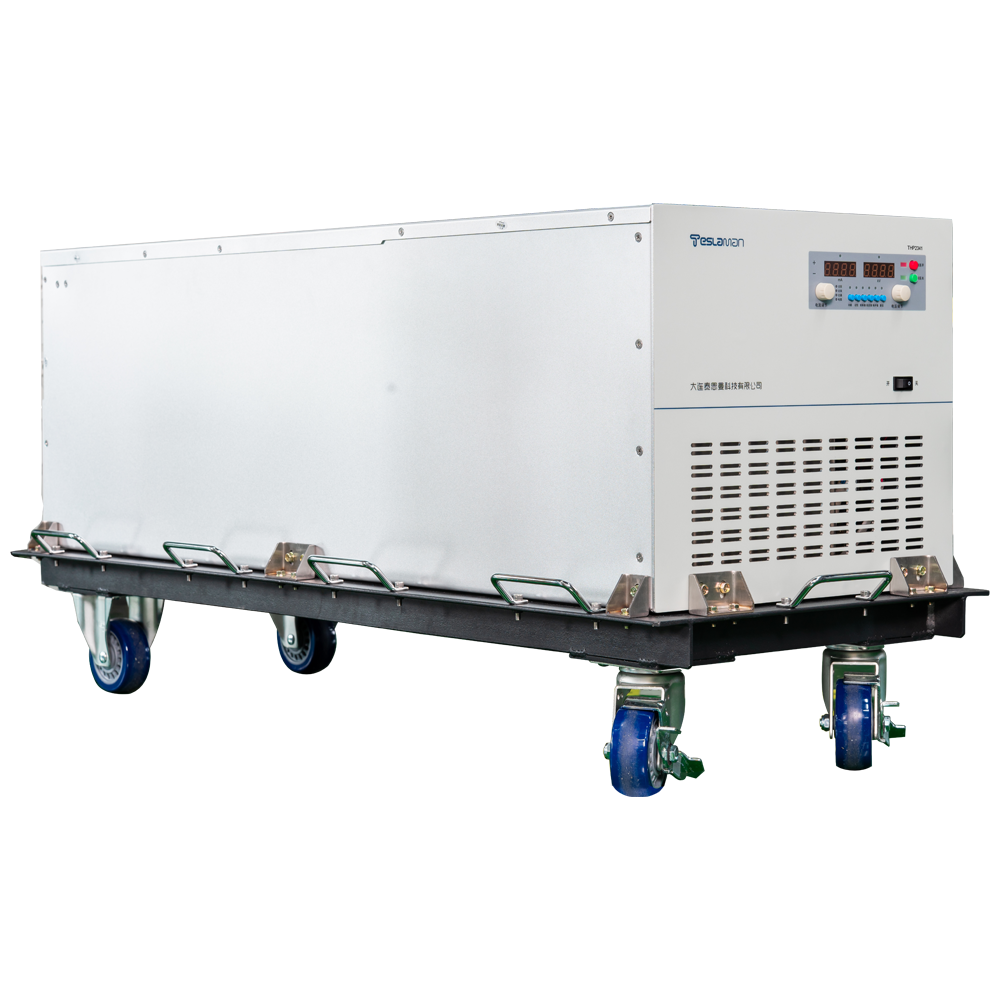
Vacuum Coating High Voltage Power Supply and Ion Source Combined Power Supply System
Advanced vacuum coating processes increasingly employ combined power supply systems serving both sputtering targets and ion sources within integrated deposition systems. These combined systems optimize process efficiency by coordinating power delivery to multiple plasma sources, enabling deposition processes unattainable with independent power supplies. Understanding the requirements and design considerations for combined power supply systems enables implementation of sophisticated coating processes for demanding applications. Combined systems enable advanced processes requiring precise timing between sputtering and ion bombardment phases. The continued development of combined power supply systems expands capabilities for advanced coating applications.
Combined power supply systems integrate multiple output channels within unified control and power conversion architectures. Common power stages provide efficiency and cost advantages through shared components, while independent output channels maintain process flexibility. Architectural decisions balancing shared versus independent elements determine system performance, cost, and complexity. Most combined systems employ shared input stages and intermediate direct current links while providing independent output stages for each process element. Architecture selection must balance performance requirements against cost and complexity constraints. System architecture affects both initial cost and operational flexibility.
Sputtering power supply channels in combined systems must meet specifications similar to standalone sputtering supplies. Voltage ranges of 300 to 800 volts with current capabilities of tens to hundreds of amperes characterize typical sputtering channels. Pulsed operation capability enables advanced processes including high power impulse magnetron sputtering. Arc handling capability protects targets and substrates from arc damage during deposition processes. Sputtering channels must maintain stable operation across varying plasma conditions and target states. Sputtering channel performance directly affects film quality and deposition rate.
Ion source power supply channels provide bias voltages for substrate ion bombardment enabling interface engineering and film densification. Bias voltages typically range from tens of volts to several kilovolts, depending on ion source type and application requirements. Current capabilities from tens of milliamperes to several amperes characterize different ion source types. Independent control of bias voltage and current enables optimization of ion bombardment conditions for specific film requirements. Ion source channels must provide stable output across varying plasma loads and substrate conditions. Ion source channel performance affects interface quality and film density.
Coordination between sputtering and ion source channels enables advanced deposition processes impossible with independent supplies. Pre-cleaning processes employ ion source operation before sputter deposition, preparing substrate surfaces for optimal adhesion. Interface engineering processes combine ion bombardment with initial sputter deposition, creating graded interfaces. Deposition processes with simultaneous ion bombardment densify films through ion-assisted deposition. These coordinated processes require precise timing synchronization between channels. Process coordination enables film properties unattainable with sequential operation of independent supplies. Coordinated processes expand coating capabilities significantly.
Timing synchronization accuracy between channels determines coordination effectiveness for advanced processes. Delays between sputter initiation and ion source activation affect interface characteristics in interface engineering processes. Synchronization accuracy of one millisecond or better enables reproducible interface characteristics. Digital control systems employing common timing references achieve synchronization accuracy exceeding one microsecond for demanding applications. Synchronization must be maintained reliably across all process conditions and equipment lifetime. Timing synchronization directly affects interface quality and process reproducibility.
Arc handling in combined systems must address interactions between channels during fault conditions. Arcs on sputtering channels potentially couple into ion source channels through shared plasma or conductive paths. Protection systems must detect arcs on any channel and coordinate responses across all channels. Channel isolation during arc conditions prevents fault propagation while maintaining unaffected channels in operation. Arc handling algorithms must distinguish between actual faults and normal plasma fluctuations. Arc handling performance affects both process reliability and equipment protection.
Power factor and harmonic considerations gain importance in combined systems due to higher total power consumption. Shared input stages concentrate input current harmonics, potentially exceeding facility harmonic limits. Active power factor correction in input stages addresses harmonic concerns while improving efficiency. Power factor exceeding 0.95 and total harmonic distortion below 5 percent characterize modern combined supply designs meeting facility power quality requirements. Power quality must be maintained across all operating conditions and load combinations. Power quality performance affects both facility electrical infrastructure and system efficiency.
Thermal management in combined systems must address higher total heat dissipation compared to individual supplies. Power densities increase due to integration of multiple channels within common enclosures. Enhanced cooling employing water-cooled heat sinks and forced-air circulation maintains component temperatures within safe limits. Thermal simulation during design optimizes cooling airflow paths and identifies potential hot spots requiring attention. Thermal management must maintain component temperatures within safe limits across all operating conditions. Thermal design affects both reliability and system sizing.
Control system integration for combined supplies enables coordinated process control impossible with independent supplies. Process recipes define voltage, current, and timing parameters for all channels within unified parameter sets. Process execution applies coordinated parameter changes across channels according to recipe definitions. Integration with facility control systems enables recipe management and data logging for quality assurance. Control integration enables consistent process execution without operator intervention. Control system integration affects both process capability and ease of use.
Diagnostics and monitoring capabilities in combined systems provide visibility into all channel operations simultaneously. Multi-channel displays show voltage and current for all channels with common time bases enabling correlation analysis. Data logging records all channel parameters for post-process analysis and quality documentation. Alarm and event logging identifies fault conditions and process anomalies for troubleshooting support. Diagnostics enable rapid identification of process issues affecting product quality. Diagnostic capabilities support both process optimization and quality assurance.
Installation and commissioning of combined power supply systems require attention to channel interactions and system integration. Grounding design must address channel isolation requirements while maintaining safety grounding. Cable routing must prevent crosstalk between high-current sputtering cables and sensitive ion source cables. Commissioning procedures verify individual channel performance and system-level coordination functions. Training for operations and maintenance personnel addresses combined system architecture and troubleshooting approaches distinct from independent supply operation. Installation must satisfy both electrical and process requirements simultaneously. Proper installation ensures reliable operation throughout equipment lifetime.\n\nThe future development of combined power supply systems focuses on improving integration density while maintaining flexibility. Advanced power semiconductor devices enable higher switching frequencies and improved efficiency. Digital control systems provide increasingly sophisticated coordination capabilities. The evolution of combined power supply technology continues expanding capabilities for advanced coating applications in demanding industrial and research environments. Technology advancement drives continuous improvement in combined system performance and capability.