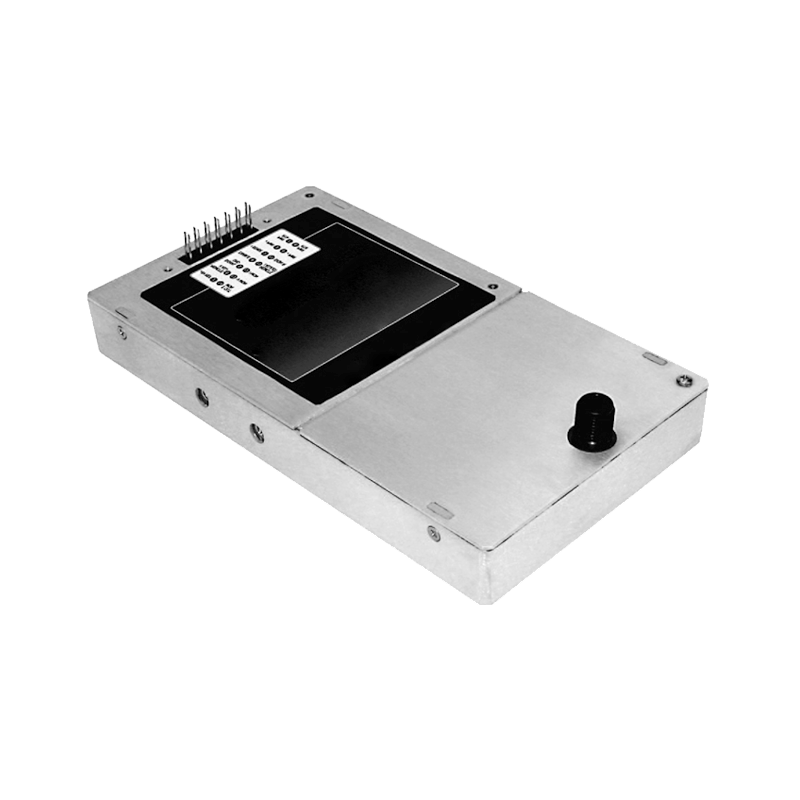
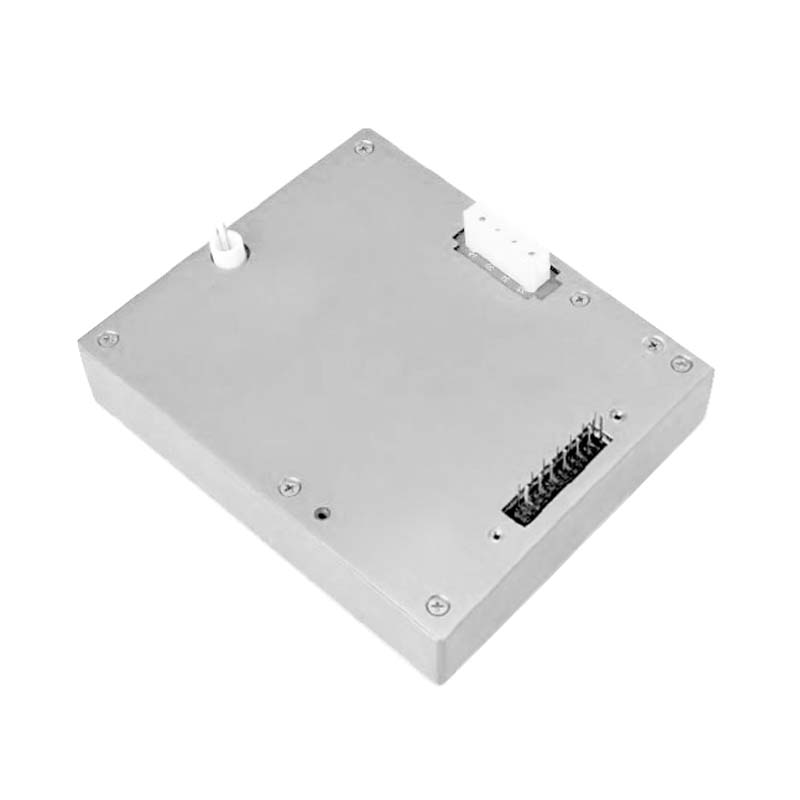
Mass Spectrometer High Voltage Power Supply High Voltage Output in Petrochemical Analysis
Mass spectrometry plays a critical role in petrochemical analysis for determining the composition of crude oil, refined products, and petrochemical intermediates. The technique separates ions based on their mass-to-charge ratio, providing detailed information about molecular weight distribution and compound classes. High voltage power supplies provide the accelerating voltage required for ion separation and detection. The performance characteristics of the high voltage output directly influence mass resolution, mass accuracy, detection sensitivity, and quantification accuracy.
Different types of mass spectrometers used in petrochemical analysis have different high voltage requirements. Sector mass spectrometers use magnetic and electric sectors to separate ions, requiring high stability accelerating voltage. Quadrupole mass filters use high voltage RF and DC voltages to select ions of specific mass-to-charge ratios. Time-of-flight mass spectrometers use a high voltage pulse to accelerate ions down a flight tube. Ion traps use varying high voltages to trap and eject ions. Regardless of the mass analyzer type, stable, accurate high voltage output is essential for good performance.
Petrochemical analysis requires characterization of complex mixtures containing thousands of different compounds ranging from light hydrocarbons to heavy residua. Mass resolution must be sufficient to separate closely spaced mass peaks corresponding to compounds with similar molecular weights. Mass resolution depends strongly on the stability of the accelerating voltage. Voltage fluctuations cause variations in ion kinetic energy, which result in peak broadening and reduced resolution. High voltage power supplies must maintain voltage stability within parts per million tolerances to achieve the high mass resolution required for complex petrochemical mixtures.
Mass accuracy, which is the ability to measure the exact mass of ions, is critical for determining molecular formulas and identifying unknown compounds. Systematic errors in high voltage output cause systematic errors in measured mass. Accurate mass measurement requires that the high voltage output be accurate and stable. Calibration of high voltage output against traceable standards ensures that the actual voltage matches the set voltage within tight tolerances. This calibration is essential for achieving accurate mass measurements that enable confident identification of compounds in complex petrochemical samples.
Accelerating voltage for sector mass spectrometers typically ranges from 5 to 20 kilovolts. At lower accelerating voltages, ions have lower kinetic energy and more dispersion in their energy, resulting in lower resolution. At higher voltages, resolution improves but the transmission of ions through the mass analyzer may decrease depending on the design. The optimal accelerating voltage represents a balance between resolution and transmission. High voltage power supplies must provide precise adjustment of accelerating voltage to allow optimization for different analytical requirements.
High voltage ripple causes peak broadening and increases baseline noise. Even small amplitude ripple at low frequencies can cause significant peak broadening because the ripple modulates ion kinetic energy over the course of the scan. Extensive filtering is required to reduce voltage ripple to low levels. Modern high voltage power supplies achieve ripple levels below 10 parts per million peak-to-peak. This low ripple ensures that ripple does not significantly contribute to peak broadening or noise, allowing the full resolving power of the mass spectrometer to be realized.
Temperature effects on high voltage stability must be carefully controlled because temperature changes cause changes in component values that result in voltage drift. High precision voltage references with low temperature coefficients are used to maintain stable output voltage over changes in ambient temperature. Thermal isolation and active temperature stabilization of critical components further reduces temperature-induced drift. These design features ensure that voltage drift remains within acceptable limits even during long analytical runs where ambient temperature may change.
Long term drift of high voltage output must be minimized for quantitative analysis. During prolonged analysis of multiple samples, drift in accelerating voltage causes drift in measured mass, which can result in misidentification of peaks and inaccurate quantification. High quality components and careful design minimize long term drift. Periodic automatic calibration using reference compounds can correct for any residual drift that occurs during operation. This automatic calibration maintains mass accuracy throughout extended analytical sequences.
In electrospray ionization sources used for petrochemical analysis of polar compounds, high voltage is applied directly to the spray capillary to create the electric field required for electrospray. The high voltage influences droplet formation, ionization efficiency, and signal stability. Stable high voltage output is essential for consistent ionization efficiency and consistent signal intensity. Fluctuations in electrospray voltage cause fluctuations in signal intensity, which degrade quantification accuracy. The high voltage power supply must provide stable low current high voltage output for electrospray ionization sources independent of the accelerating voltage for the mass analyzer.
Atmospheric pressure chemical ionization sources also require high voltage for generating the corona discharge that initiates ionization. The high voltage must be stable to maintain consistent corona discharge and consistent ionization efficiency. Changes in high voltage change the corona current, which changes ionization efficiency and signal intensity. Stable high voltage output ensures that ionization efficiency remains consistent from sample to sample, maintaining quantification accuracy throughout analytical sequences.
Multiple high voltage outputs are required in most modern mass spectrometers. Different voltages are required for ionization, acceleration, focusing, and detection. Each output must be independently regulated with minimal crosstalk between outputs. Changes in voltage on one output should not affect the voltage on other outputs. Independent regulation ensures that each stage of the mass spectrometry process receives the correct voltage regardless of changes on other stages. This independence is essential for maintaining performance when multiple parameters are adjusted during method development.
Scan speed requirements for comprehensive two-dimensional gas chromatography combined with mass spectrometry require the mass analyzer to scan quickly across the mass range. The high voltage power supply must be able to change voltage quickly during scanning without overshoot or ringing. Fast response with minimal settling time allows rapid scanning while maintaining mass accuracy. Digital control loops provide fast response while maintaining stability, enabling the high scan speeds required for high throughput petrochemical analysis.
Quantitative analysis in petrochemical applications requires linear response over a wide range of concentrations. Variations in high voltage output cause variations in ion transmission and detection efficiency, which result in non-linearity. Stable high voltage output maintains linear response across the entire dynamic range of the instrument. Linearity is essential for accurate quantification of compounds at different concentration levels in complex petrochemical mixtures.
High voltage breakdown and arcing can damage sensitive detector electronics and cause instrument downtime. High voltage power supplies include comprehensive protection features including overvoltage protection, overcurrent protection, arc detection, and shutdown. These protection features prevent damage to the mass spectrometer when fault conditions occur. Fast response protection minimizes damage and reduces downtime, ensuring that the instrument can be quickly restored to service after a fault.
Automated mass spectrometry systems for high throughput petrochemical analysis require digital control and monitoring of high voltage parameters. Digital communication interfaces allow integration with automated sample handling systems and chromatography data systems. High voltage parameters can be stored as part of the analytical method and loaded automatically when the method is run. Real-time monitoring provides diagnostic information that can be used for preventive maintenance and troubleshooting.
Crude oil characterization requires detailed analysis of the molecular weight distribution of heavy fractions. High mass resolution is required to separate overlapping peaks in these complex mixtures. The requirement for high mass resolution puts even more stringent requirements on high voltage stability. Every improvement in voltage stability directly translates to improved mass resolution, allowing more detailed characterization of complex petrochemical mixtures. Detailed characterization enables better process design and better product quality in refinery operations.
Analysis of trace contaminants in refined petrochemical products requires high detection sensitivity. Trace contaminants must be detected and quantified at low concentrations to ensure they meet product specifications. High voltage stability reduces baseline noise, which improves signal-to-noise ratio for low concentration peaks. Improved signal-to-noise ratio allows detection of lower concentrations, improving the ability to detect trace contaminants that could affect product quality or process performance.
Calibration of high voltage output must be traceable to national metrology standards to ensure accuracy. Traceable calibration provides confidence in the accuracy of mass measurements, which is particularly important for petrochemical applications where results are used for process control and product specification. Regular calibration intervals ensure that high voltage accuracy is maintained over the lifetime of the instrument. Calibration records provide documentation of accuracy for quality assurance purposes.
Petrochemical analysis continues to demand higher performance from mass spectrometry as the complexity of analysis increases. Higher mass resolution, higher mass accuracy, and higher sensitivity are consistently required to address increasingly complex analytical challenges. These demands translate directly into more stringent requirements for high voltage power supply performance. Voltage stability, accuracy, low ripple, and fast response are all essential characteristics that enable high performance mass spectrometry. As mass spectrometry technology continues to advance, high voltage power supply technology must continue to improve to meet the increasing performance demands. The continued improvement enables more detailed and accurate analysis of petrochemical materials, contributing to improved refining processes and better petrochemical products.