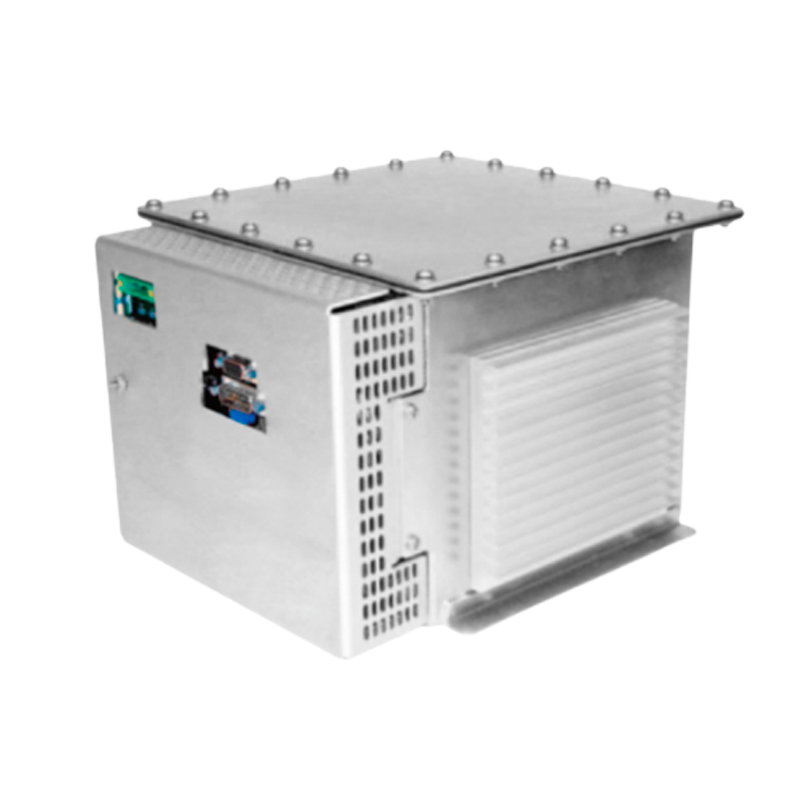
Polarity-Switching High-Voltage Power Supply in Multifunctional Electrostatic Experiment Bench
A multifunctional electrostatic experiment bench provides a platform for demonstrating and investigating a wide range of electrostatic phenomena. The high-voltage power supply at the heart of such a bench must accommodate diverse experiments, many of which require the ability to switch the output polarity rapidly and safely. The polarity-switching capability extends the range of phenomena that can be studied and enables experiments that depend on the direction of the electric field.
Electrostatic experiments cover phenomena such as electrostatic attraction and repulsion, corona discharge, dielectric breakdown, electrophoretic migration and the behavior of charged particles in electric fields. Each of these phenomena may require a specific polarity of the applied voltage, and some experiments require the polarity to be reversed during the course of the investigation. A power supply with rapid polarity switching provides the flexibility to conduct these experiments without the need for separate supplies or manual reconfiguration.
The output voltage range of the experiment bench supply must be sufficient to produce observable electrostatic effects. Typical experiments require voltages from a few kilovolts to several tens of kilovolts, depending on the electrode configuration and the phenomena under study. The power supply must provide a stable and well-regulated output across this range, with the ability to set the voltage precisely for quantitative experiments.
The safety of the experiment bench is a paramount concern, since the high voltages involved present a risk to the operator. The power supply must incorporate multiple safety features, including interlocked enclosures, discharge circuits and current limiting. The switching of polarity must be performed in a controlled manner that prevents arcing and ensures that the energy stored in the system is managed safely. Clear indicators of the output state and the polarity are essential for safe operation.
The rate at which the polarity can be switched depends on the design of the output stage and the energy storage in the system. Rapid switching requires the controlled discharge and recharge of the output capacitance, which must be managed to avoid excessive current spikes and voltage overshoot. The switching circuit must be designed to handle the energy transfer without damaging the components or generating unsafe conditions.
The ripple and stability of the output voltage affect the quality of the experimental results. For quantitative measurements, the voltage must remain stable during the measurement period, and the ripple must be low enough not to interfere with the observations. The power supply must provide a clean output with minimal noise, supported by effective filtering and shielding of the high-voltage circuits.
The multifunctional nature of the experiment bench requires a flexible control interface. The operator must be able to set the voltage, select the polarity and control the switching sequence through an intuitive interface. The display of the output parameters provides feedback for the operator, and the logging of the experimental conditions supports the documentation of the results. The control interface should support both manual operation for demonstration purposes and programmable operation for automated experiments.
The electrodes and fixtures used in the experiments must be compatible with the output characteristics of the power supply. The connectors and the cabling must be rated for the voltage and current levels, and the insulation must be adequate for the applied potential. The arrangement of the electrodes determines the electric field distribution and the nature of the observed phenomena, so the fixtures must be designed to support the intended experiments.
The study of corona discharge and dielectric breakdown requires the delivery of sufficient energy to initiate and sustain the discharge. The power supply must provide the current capability to maintain the discharge under the experimental conditions. The current limiting and protection features must prevent the discharge from escalating into a dangerous condition, while allowing the phenomena to be observed and characterized.
Electrostatic experiments are often used in educational settings to illustrate fundamental principles of physics and electrical engineering. The experiment bench must be robust and safe enough for use by students, with clear instructions and safeguards against misuse. The power supply should operate reliably under repeated use and provide consistent performance that supports the learning objectives of the experiments.
The calibration of the experiment bench ensures the accuracy of the quantitative measurements. The output voltage must be calibrated against a reference standard, and the measurement of the voltage and current must be verified. Regular calibration maintains the validity of the experimental data and supports the educational objectives of the bench. The documentation of the calibration records provides traceability for the measurements.
The development of electrostatic experiment benches continues to incorporate advances in power supply technology. Digital control provides precise voltage setting and monitoring, and programmable sequences enable complex experiments to be conducted automatically. Improved safety features make the equipment suitable for a wider range of users and applications. The polarity-switching high-voltage power supply remains a central component of the multifunctional experiment bench, enabling the safe and flexible investigation of electrostatic phenomena.
The construction of the high-voltage section of the experiment bench must follow sound electrical design practices. The insulation and the spacing of the high-voltage components are determined by the maximum operating voltage and the safety margins. The connections between the power supply and the electrode fixtures must be robust and clearly marked. The layout of the bench should provide convenient access for the setup of the experiments while maintaining the required safety clearances. The attention to the construction details ensures the safe and dependable operation of the bench throughout the service life.
The documentation of the experiments conducted on the bench supports the educational and investigative objectives of the equipment. The record of the experimental conditions, including the voltage, the polarity and the electrode configuration, provides the basis for the analysis of the results and the comparison between the experiments. The systematic documentation enables the accumulation of the knowledge and the refinement of the experimental methods. The availability of the documented experiments supports the effective use of the bench by the operators and the achievement of the learning outcomes.
The performance of the bench under repeated use is assessed through the periodic verification of the output characteristics, confirming that the equipment continues to meet the requirements of the planned experiments.