High-Voltage Chain of Accelerator Supply in Industrial Materials Analysis Facilities
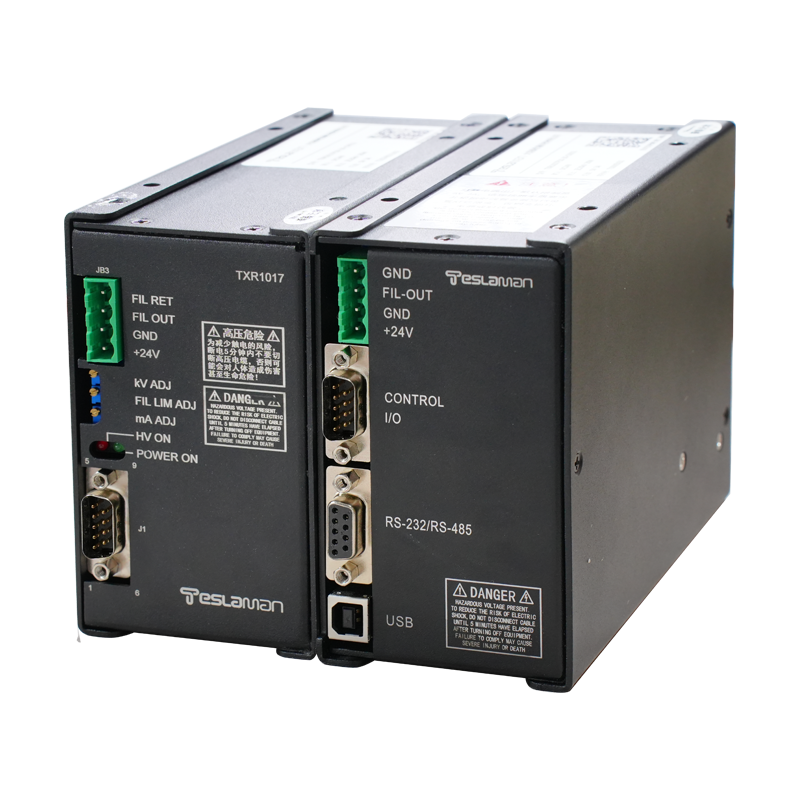
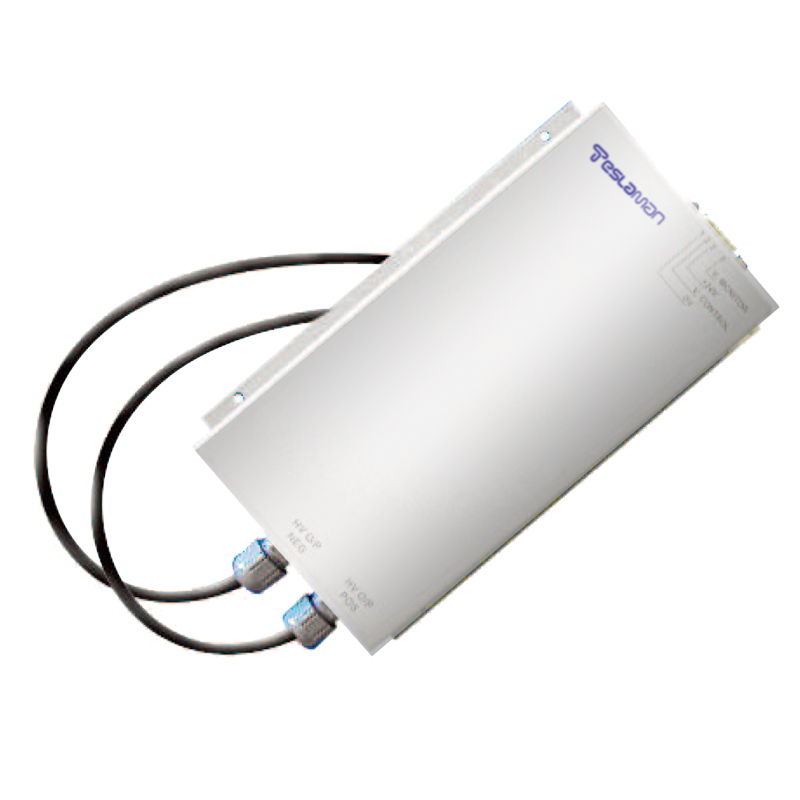
The high-voltage chain of an accelerator supply determines the operating stability of industrial materials analysis facilities that rely on particle beam techniques. Such facilities use accelerated particles to identify elemental composition, measure layer thickness and verify material quality on production samples, and the accelerating potential must remain precise and stable throughout the analysis. The high-voltage chain includes the main accelerating stage, the focusing electrodes, the deflection system and the associated monitoring circuits, and the coordination of these elements defines the beam quality at the analysis position. A well-designed chain delivers repeatable beam conditions from sample to sample.
The first element of the chain is the main accelerating supply. The output voltage defines the particle energy, and the accuracy and stability of this voltage determine the reliability of the analysis results. Temperature compensation, line regulation and aging compensation keep the set-point within tolerance over long operating periods. The ripple of the accelerating voltage introduces energy spread in the beam, which degrades the resolution of the measurement, so the filtering and regulation stages are designed to minimize this contribution.
The second element is the electrode power system. Extraction, focusing and steering electrodes each require a defined potential, and the stability of these potentials affects the beam shape and the position of the analysis spot. The coordination of the electrode voltages is managed by the control system, which stores the settings as part of the analysis recipe. Small deviations in the electrode potentials produce noticeable changes in the beam geometry, so the monitoring of these voltages is an essential part of the chain.
The third element is the measurement and feedback path. The actual accelerating voltage is measured by a calibrated divider, and the value is compared with the set-point continuously. The feedback loop corrects deviations caused by load changes, temperature variations and component drift. The measurement data are recorded for every analysis run, providing the traceability that supports quality assurance and the comparison of results across time.
The control architecture coordinates the complete chain through a digital sequencer. The start-up procedure ramps the voltages in a defined order, avoiding stress on the insulation and uncontrolled beam conditions. Interlocks prevent operation when any part of the chain is not ready, and the fault handling responds to abnormal conditions within a defined time. The communication interface connects the chain to the analysis workstation, so that the operator can monitor and adjust the beam parameters remotely.
Insulation and safety design follow the requirements of sustained high voltage in an industrial environment. The high-voltage components are enclosed with defined clearances, and the insulating materials are selected for the operating temperature and humidity range. The stored energy is discharged through a controlled path when the system is shut down, and access interlocks protect the personnel. Partial discharge testing confirms that the insulation margins are adequate for continuous service.
Verification of the chain includes electrical tests and beam measurements. The accelerating voltage, the electrode potentials and the ripple are measured with calibrated instruments, and the beam position and energy spread are evaluated at the analysis position. The correlation between the electrical parameters and the beam characteristics is documented, so that the analysis results can be linked to the supply conditions. Acceptance testing includes a burn-in period under representative operating conditions.
Integration with the analysis facility follows defined interfaces. The chain receives commands from the analysis control software and reports status and measured values back to the system. The timing of the voltage ramps is synchronized with the sample handling and the detection electronics, and the grounding arrangement avoids interference between the high-voltage section and the sensitive measurement equipment. Commissioning verifies the complete chain with the actual detector configuration.
The application value of a stable high-voltage chain appears in the quality and throughput of the material analysis. Repeatable beam conditions produce consistent measurement results, which is essential for the statistical process control used in industrial quality management. The stability of the chain reduces the number of repeated measurements and the associated sample handling, increasing the throughput of the facility. The diagnostic functions support quick recovery when a deviation is detected.
Maintenance focuses on the components that define the beam quality. The accelerating divider, the electrode regulation modules and the insulation system are inspected at defined intervals, and the calibration is verified against a reference. The recorded beam and voltage data support condition-based maintenance, because gradual changes in the parameters indicate developing problems. Spare modules for the critical sections minimize the downtime during a failure.
The operational experience of industrial analysis facilities shows that consistency of the high-voltage chain directly influences the confidence in the measurement results. When the beam conditions are stable, the correlation between the measured signal and the material property remains valid, and the calibration of the facility stays accurate for longer periods. The recorded data from the chain support the statistical evaluation of the analysis quality, and the trend analysis of the voltage and beam parameters reveals slow changes before the changes become visible in the results. This combination of stable hardware and documented performance forms the basis of reliable quality management in the facility.
The economic view also favors investment in a robust high-voltage chain. The cost of an unplanned stop includes the recovery of the vacuum and the re-calibration of the measurement system, which can be considerable for a busy analysis facility. A supply chain designed for continuous operation reduces these interruptions, and the modular structure keeps the repair time short. The documentation, training material and fault tables that accompany the system enable the facility staff to handle routine maintenance and common faults, reducing the dependence on external service.
Development continues toward higher stability, better resolution and simpler operation. Digital control with self-calibration reduces the effort of periodic verification, and improved filtering lowers the energy spread further. Remote monitoring and diagnostics allow the analysis facility to be supervised centrally, and the accumulated data support the optimization of the measurement recipes. The accelerator high-voltage chain will continue to evolve with these capabilities, supporting the growing demands of industrial materials analysis.