Electrostatic Spraying High-Voltage Supply Efficiency in New Energy Battery Case Coating
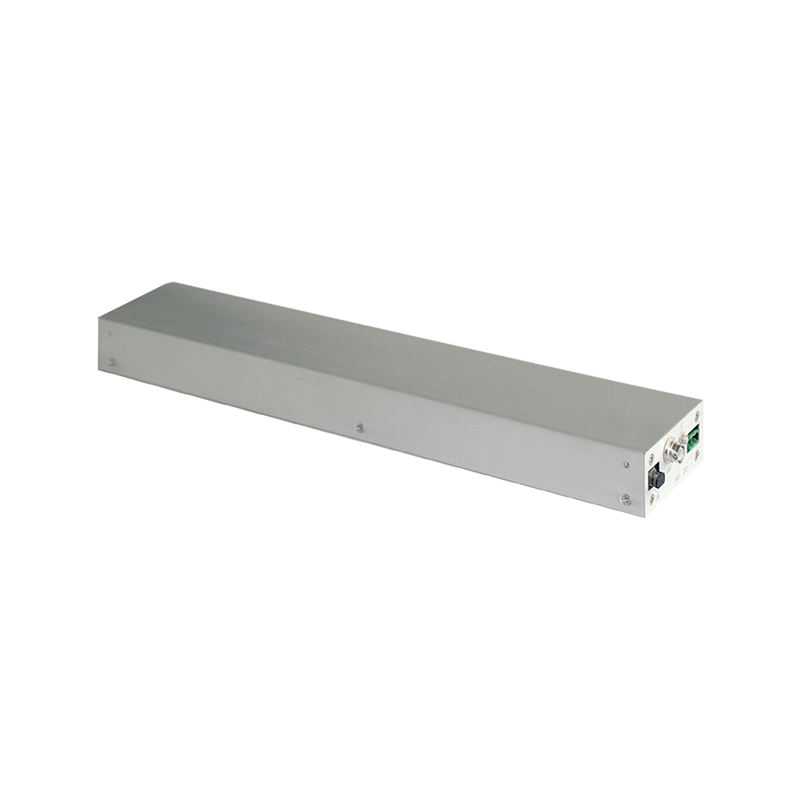
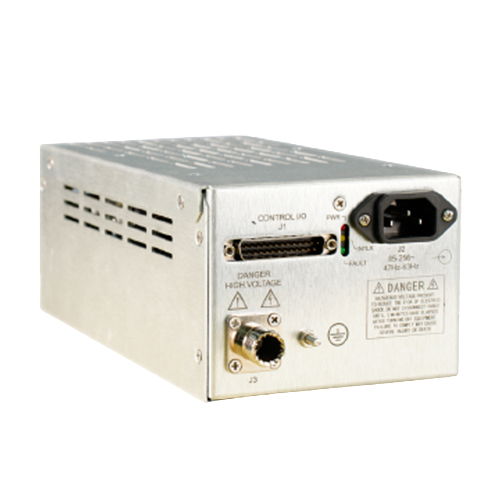
The efficiency of an electrostatic spraying high-voltage supply directly shapes the coating quality of new energy battery cases. Battery housings require uniform, corrosion-resistant protective layers that withstand thermal cycling, vibration and electrolyte exposure over long service lives. The power supply generates the electric field that drives powder charging and deposition onto the case surface. Efficiency must be examined from electrical conversion performance, powder utilization and process consistency perspectives. A complete engineering evaluation connects supply parameters with measurable coating outcomes.
The charging mechanism determines how much of the supplied energy reaches the powder particles. Corona charging at the spray gun electrode ionizes the surrounding air, producing ions that attach to powder surfaces. Higher electric field strength increases charge-to-mass ratio, yet excessive field intensity provokes back ionization at the substrate. The optimum operating point balances charging completeness against the risk of corona instability. Field uniformity across the case geometry governs coating thickness distribution.
Battery cases present complex three-dimensional shapes with edges, corners and deep recesses. Electric field concentration at sharp edges attracts excessive powder while recessed areas receive less deposition. The high-voltage supply must deliver stable output despite the changing load presented by moving cases on the production line. Output voltage regulation directly influences the wrap-around effect that carries powder to rear surfaces. Consistent high voltage maintains the Faraday cage effect within acceptable limits.
Conversion efficiency of the supply affects both energy consumption and thermal management. Modern topologies employ resonant converters that reduce switching losses and improve power factor. Higher conversion efficiency lowers cabinet temperature, extending component lifetimes and reducing cooling requirements. Efficiency gains translate directly into reduced production energy costs in high-throughput coating lines. Thermal stability of the supply under continuous operation prevents output drift that would alter coating quality.
Powder resistivity varies with formulation, moisture content and ambient humidity. Resistive powders retain charge longer but resist charging, while conductive powders charge readily yet dissipate charge quickly. The supply must adapt output parameters to maintain consistent charging efficiency across powder batches. Automatic current limiting prevents excessive corona current when powder flow changes abruptly. Humidity compensation stabilizes the charging environment throughout seasonal variations.
Recovery and reclamation systems return overspray powder to the feed loop. Reclaimed powder differs in particle size distribution and charge behavior from virgin material. The high-voltage supply interacts with the pneumatic conveying system that transports powder to the gun. Stable voltage output minimizes variations in film build across consecutive coating passes. Efficiency measurement should include the fraction of powder that ultimately adheres to the case.
Fast voltage response supports variable gun movement speeds on robotic coating cells. When the gun accelerates or changes direction, the deposition rate changes with dwell time. Dynamic voltage adjustment compensates for these speed variations, holding film thickness within tolerance. Ripple and transient response of the supply influence edge build and corner coverage. Low output ripple reduces coating defects caused by charge fluctuation.
Current sensing provides feedback for process monitoring and fault detection. Accurate current measurement at high voltage requires careful isolation and shielding. The supply communicates with the coating line controller, enabling recipe-based parameter changes. Data logging of voltage, current and coating time supports statistical process control. Maintenance scheduling benefits from recorded electrical signatures that indicate electrode wear.
Safety interlocks protect operators during manual spray operations. Interlocked high-voltage shutdown within milliseconds prevents injury when the gun approaches grounded objects. The supply integrates with spray booth ventilation interlocks to avoid explosive atmospheres in the presence of solvents. Ground fault detection discriminates between normal leakage and dangerous conditions. Redundant protection paths ensure fail-safe behavior under all operating states.
Application of charged powder to battery case interiors requires higher field strength because of recessed geometry. Interior coating protects against internal corrosion from electrolyte contact. The supply may operate in constant current mode for interior deposition to limit film growth rate. Voltage limit settings prevent arcing to closely spaced internal components. Precise control of charge density prevents film defects at weld seams.
Battery case materials include aluminum alloys with varying surface treatments. Surface oxide layers influence charge retention and powder adhesion. Preheat of cases affects coating cure but also alters surface conductivity. The supply output interacts with these surface conditions through the effective capacitance of the coating system. Understanding these interactions supports the selection of appropriate voltage settings for each case type.
Energy efficiency of the coating line depends on the supply efficiency as well as the curing oven. Higher powder transfer efficiency reduces oven loading and curing time. Waste reduction from improved deposition lowers both material cost and environmental burden. Economic analysis shows that supply efficiency improvements repay investment through material savings alone. Lifecycle cost assessment includes maintenance intervals and downtime costs.
The high-voltage supply operates continuously in three-shift production environments. Component derating under sustained load preserves reliability margins. Cooling fan filtration prevents dust accumulation that impairs heat dissipation. Predictive maintenance based on temperature and current trends identifies degradation before failure. Redundant power modules allow production continuity during maintenance windows.
Electromagnetic compatibility of the supply prevents interference with line control systems. Shielding and filtering contain radiated and conducted emissions within regulatory limits. Immunity to electromagnetic disturbances from welding equipment and motors maintains stable output. Proper grounding topology avoids ground loops that introduce noise into the feedback path. EMC compliance testing validates the supply in realistic installation conditions.
Operator interface design simplifies parameter monitoring and adjustment. Clear displays of voltage, current and alarm status support rapid response to process anomalies. Password-protected settings prevent unauthorized changes that could compromise safety. Recipe storage enables quick changeover between different case models. Remote monitoring allows engineering staff to supervise multiple lines from a central location.
Standardization of supply interfaces enables interchangeability across coating lines. Common communication protocols allow integration with diverse line controllers. Calibration procedures maintain measurement accuracy traceable to national standards. Documentation of performance characteristics supports informed supply selection. Training programs ensure operators understand the relationship between supply settings and coating results.
Field experience from battery case coating lines has refined the operating envelope of these supplies. Historical data on voltage settings, powder consumption and defect rates guide process optimization. Continuous improvement programs analyze coating failures to identify supply-related root causes. Collaboration between supply engineers and coating specialists accelerates problem resolution. Knowledge transfer across production sites standardizes best practices.
Emerging battery designs with thinner cases and integrated cooling channels present new coating challenges. Higher aspect ratio geometries require enhanced wrap-around capability. The supply must adapt to faster line speeds and more complex case shapes. Digital control architectures enable rapid parameter updates without hardware changes. Simulation tools predict field distribution and support electrode design improvements.
Quality assurance requires consistent coating thickness across every case in the batch. Statistical analysis of film thickness measurements verifies process capability. In-line monitoring systems provide real-time feedback on coating uniformity. The supply contributes to this stability through precise regulation of output parameters. Defect reduction programs track pinholes, thin edges and uneven coverage to the underlying electrical causes.
In summary, the efficiency of electrostatic spraying high-voltage supplies in new energy battery case coating is determined by charging performance, conversion efficiency, process adaptability and reliability. Careful engineering of the supply and integration with the coating line delivers uniform, durable coatings with minimal material waste. Continuous refinement of voltage control strategies and monitoring capabilities will further improve coating quality and production economics for the growing battery industry.