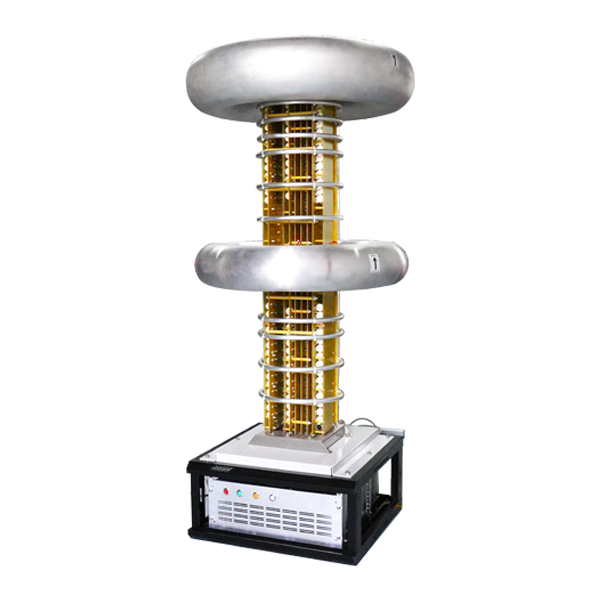
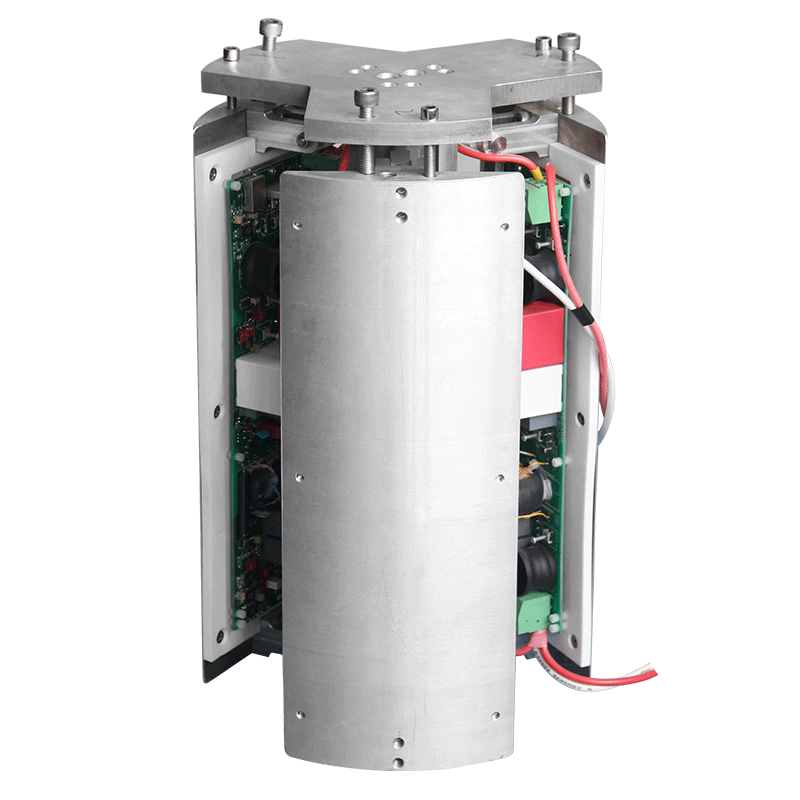
Long-Term Reliability of E-CHUCK High-Voltage Supply Insulation Materials under High-Temperature Vacuum Environments
Electrostatic chucks in semiconductor processing operate in demanding environments that combine high temperature and vacuum, and the high-voltage supply that biases the chuck must withstand these conditions over long service periods. Insulation materials in the supply and the cabling are the critical elements for reliability, and the degradation of insulation leads to leakage currents and eventual failure. Material selection and design practice determine the long-term performance, and the engineering effort concentrates on the weakest points of the insulation system. The reliability requirement becomes stricter as the process temperature and the voltage increase.
The chuck bias voltage must remain stable while the assembly experiences thermal cycling, and the vacuum conditions remove the convective cooling and stress the insulation thermally. The supply must maintain the dielectric strength throughout the operating life, and the maintenance access is limited in vacuum systems, so the reliability is paramount. The specification of the insulation is derived from the voltage class, the temperature profile, and the expected service life, and the design margin is chosen to accommodate the aging of the materials.
Insulation degrades through thermal, electrical, and chemical mechanisms, and the elevated temperature accelerates the chemical reactions in organic materials. Partial discharge erodes the insulation surface over time, and the vacuum enhances the risk of field emission from sharp edges. Understanding these mechanisms guides the selection of robust materials and the design of the field distribution, and the degradation rate is estimated through accelerated aging tests. The analysis of the failure modes supports the design of the insulation system.
Ceramic and glass insulation offer high temperature capability and stable dielectric properties, while polymer materials are limited by the thermal rating. The choice of the material depends on the voltage class and the temperature profile, and the metallic components require proper shielding and creepage distances. The compatibility of the materials with the vacuum environment and the process gases is verified, and the material data is documented for the design review. The selection process balances the electrical, thermal, and mechanical requirements.
The design must avoid the field concentrations that accelerate the degradation, and the rounded conductors and smooth surfaces reduce the local field strength. The creepage and clearance distances are sized for the voltage and the environment, and the thermal management limits the temperature at the insulation surfaces. The design is verified through the electric field simulation, and the simulation results are confirmed by the partial discharge measurements. The design rules are applied consistently across the high-voltage sections.
Manufacturing quality affects the insulation reliability, and the clean assembly prevents the contamination that could initiate the breakdown. The controlled curing of the insulation compounds removes the voids, and the quality inspection verifies the dielectric integrity before the installation. The manufacturing process is qualified through the first article inspection and the ongoing process control, and the process records support the traceability of the materials. The quality system covers the incoming materials and the finished products.
Qualification testing subjects the insulation to the accelerated aging conditions, and the thermal cycling, the high-voltage endurance, and the partial discharge measurements evaluate the design. The test results predict the service life under the normal operation, and the acceptance testing verifies each unit before the delivery. The qualification program includes the test at the maximum voltage and the maximum temperature simultaneously, and the results are compared with the reliability target. The test evidence supports the release of the design.
In-service monitoring detects the early signs of the insulation degradation, and the leakage current measurement provides an indicator of the insulation health. Temperature monitoring identifies the hotspots, and the data supports the condition-based maintenance and the early replacement. The monitoring function is integrated into the supply control, and the alarm thresholds are set from the baseline measurements. The monitoring records support the analysis of the aging trend.
The supply integrates with the chuck through the high-voltage cabling and the connectors, and the connection points are vulnerable to the degradation. Sealed connectors and shielded cables preserve the insulation integrity, and the integration testing validates the complete path from the supply to the chuck. The connection design allows the inspection and the replacement of the stressed parts, and the maintenance procedures cover the connector inspection. The integration documentation supports the installation and the service.
Semiconductor equipment must achieve high availability for the economic production, and the insulation failures cause the unplanned downtime and the product loss. Reliable supply design reduces the risk and supports the stable production, and the cost of the failure is far higher than the cost of the preventive measures. The reliability improvement is driven by the analysis of the field failures and the feedback into the design, and the lessons learned are applied to the new models.
New process temperatures increase the demands on the insulation materials, and the advanced ceramics and the improved design methods extend the capability. Predictive monitoring will improve the management of the insulation aging, and the digital models of the degradation will support the maintenance planning. The development of the material technology is aligned with the advancement of the process technology, and the cooperation with the material suppliers accelerates the introduction of the new materials.
Long-term reliability of E-CHUCK high-voltage supplies depends on the careful selection and design of the insulation materials. Robust materials, sound design, and thorough testing ensure the stable operation under the high-temperature vacuum conditions, and the continued material development will support the more demanding processes. The engineering focus remains on the elimination of the weak points in the insulation system.
Partial discharge measurement serves as the most sensitive indicator of the insulation condition during the service. The measurement detects the small discharges that occur at the weak points of the insulation before a full breakdown develops, and the periodic measurement supports the trend analysis of the insulation health. The baseline measurement is recorded at the commissioning, and the comparison with the subsequent measurements reveals the degradation rate. The partial discharge data is combined with the leakage current data to form the complete picture of the insulation state.
The connection between the supply output and the chuck feedthrough is a known weak point in the vacuum systems, and the design of this interface follows the same insulation principles as the supply interior. The feedthrough insulator is fabricated from the ceramic material that matches the thermal expansion of the metal parts, and the joint design avoids the trapped voids that would initiate the discharge. The assembly process is controlled to ensure the cleanliness of the joint surfaces, and the completed joint is tested at the full voltage before the installation.
The reliability data from the field operation provides the feedback for the continuous improvement of the insulation design. The analysis of the field failures identifies the recurring weak points, and the design changes are implemented to address the root causes. The improvement cycle includes the accelerated testing of the modified designs and the verification of the production units. The accumulated field experience shortens the development time for the new products.