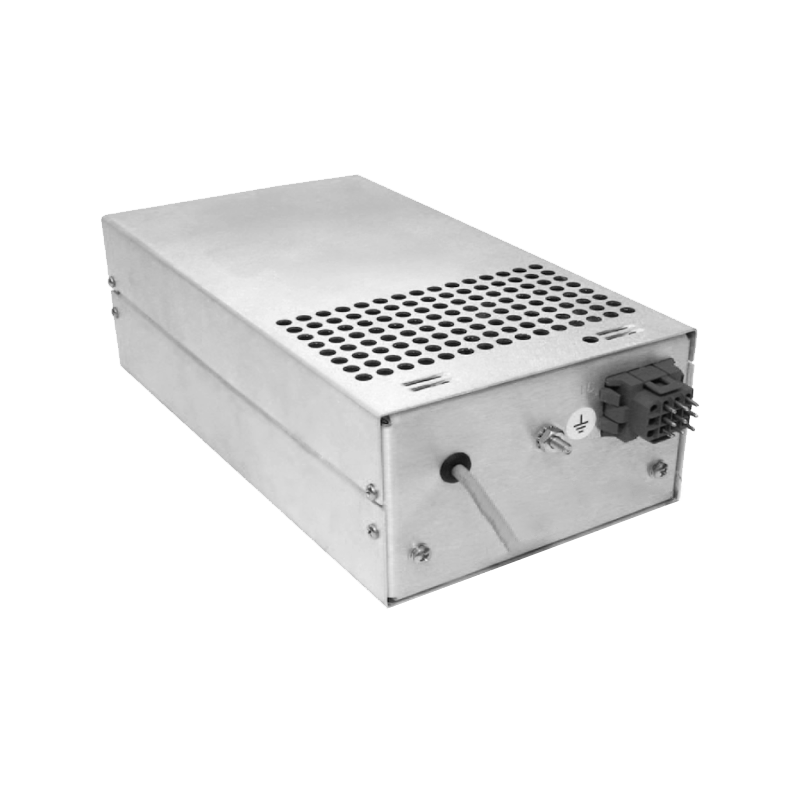
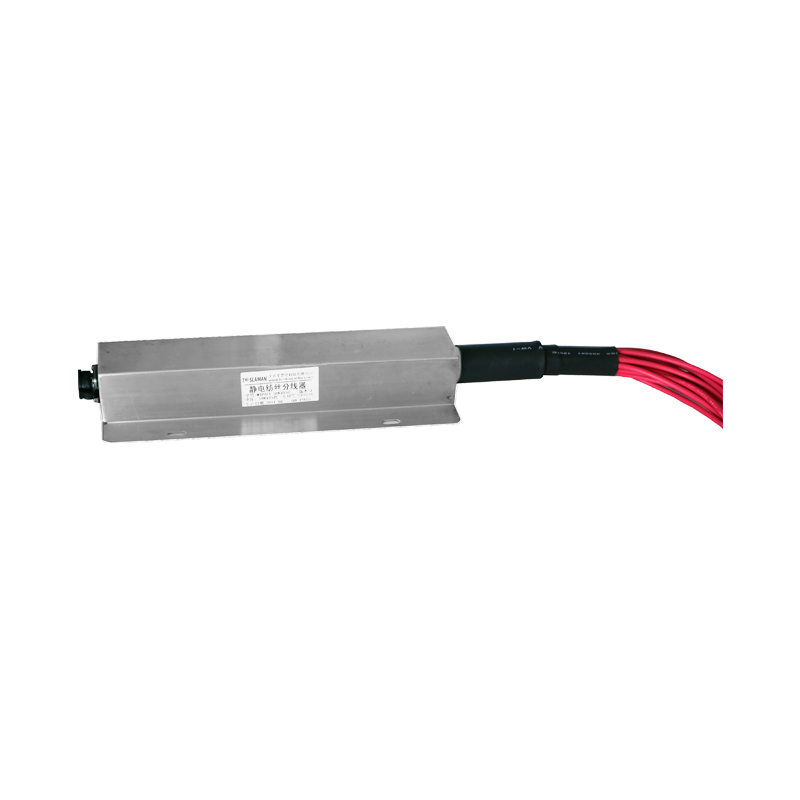
Adaptability of Dynamic Adsorption Force Regulation in E-CHUCK High-Voltage Supplies for Flexible Substrate Processing
The electrostatic chuck holds the substrates during the processing, and the dynamic regulation of the adsorption force supports the handling of the different substrate types. The flexible substrates present the additional challenges for the chucking, and the E-CHUCK high-voltage supply provides the voltage control for the adaptive adsorption. The engineering work covers the force regulation, the substrate handling, and the process integration, and the requirements are defined by the flexible electronics manufacturing.
The electrostatic chuck uses the voltage applied to the electrodes to generate the attraction force, and the force must be sufficient to hold the substrate during the processing. The flexible substrates are thinner and more deformable, and the chucking force must be controlled to avoid the damage and the distortion. The dynamic regulation adjusts the force according to the process step and the substrate condition.
The adsorption force is related to the applied voltage and the dielectric properties, and the regulation of the voltage provides the control of the force. The voltage is ramped up gradually during the chucking to avoid the sudden stress, and the force is reduced before the release. The dynamic response of the supply supports the precise force control.
The flexible substrates may have the surface waviness and the thickness variation, and the chuck must adapt to the substrate geometry. The multi-zone chucking divides the surface into the regions with the independent voltage control, and the force distribution is adjusted for the local conditions. The adaptive regulation compensates for the substrate variations.
The temperature of the substrate is controlled through the heat transfer between the substrate and the chuck, and the backside gas improves the thermal coupling. The adsorption force affects the thermal contact, and the regulation balances the holding force and the heat transfer. The temperature uniformity is important for the processing of the flexible materials.
The processing steps include the deposition, the etching, and the lithography, and the requirements for the chucking vary with the process. The dynamic regulation switches the force levels according to the process sequence, and the coordination with the process control is implemented through the interface. The process integration ensures the correct chucking at each step.
The handling of the flexible substrates requires the careful release to avoid the damage, and the release sequence discharges the chucking voltage gradually. The residual charge is removed through the discharge circuit, and the substrate is released without the sticking. The release performance is verified for the different substrate types.
The monitoring of the chucking state includes the measurement of the current and the voltage, and the measurements indicate the contact condition and the force. The monitoring data supports the diagnosis of the chucking problems, and the closed-loop control adjusts the voltage for the consistent force. The monitoring is integrated with the process data.
The verification of the chucking system includes the measurement of the adsorption force and the substrate deformation, and the results are compared with the specification. The temperature uniformity and the release performance are also verified, and the tests cover the different substrate types. The verification supports the qualification of the system.
The flexible electronics applications include the displays, the sensors, and the printed electronics, and the processing of the flexible substrates is a growing manufacturing sector. The reliable chucking supports the production of the flexible devices, and the adaptive regulation enables the handling of the delicate materials. The technology contributes to the advancement of the flexible electronics.
The maintenance of the chuck includes the inspection of the dielectric surface and the verification of the electrodes, and the contamination of the surface affects the chucking performance. The cleaning and the replacement are scheduled according to the usage, and the maintenance records support the reliability analysis. The maintenance program supports the continuous operation.
The advancement of the flexible substrate processing demands the better chucking precision and the lower damage risk, and the development of the E-CHUCK supplies follows the requirements of the new processes. The digital control provides the flexible voltage profiles and the better monitoring, and the cooperation with the equipment manufacturers drives the innovation.
Adaptability of the dynamic adsorption force regulation in the E-CHUCK high-voltage supplies enables the reliable processing of the flexible substrates, and the precise force control, the multi-zone adaptation, and the careful release design deliver the required handling performance. The continued development will support the growth of the flexible electronics manufacturing.
The measurement of the chucking force is performed with the test wafers and the force sensors, and the measurement results are compared with the calculated values. The calibration of the force model is updated from the measurements, and the accuracy of the force control is improved. The verification covers the full range of the substrate types.
The communication between the chuck supply and the process tool is implemented through the standard interface, and the chucking parameters are set from the process recipe. The status of the chuck is reported to the tool controller, and the fault conditions are handled according to the defined procedures. The integration improves the automation of the substrate processing.
The training of the equipment operators covers the handling of the flexible substrates and the operation of the chucking system, and the process procedures are documented for the reference. The maintenance staff is trained for the inspection and the repair of the chuck, and the service support provides the technical assistance. The training supports the reliable operation.
The economic benefit of the adaptive chucking includes the reduced damage of the flexible substrates and the higher production yield, and the reliable handling supports the efficient manufacturing. The investment in the advanced chucking technology is justified by the yield improvement, and the operation is optimized for the production economics.
The documentation of the chucking process includes the chucking parameters and the verification results, and the documentation supports the process control of the flexible substrate manufacturing. The records of the substrate handling provide the traceability of the production, and the analysis of the data supports the improvement of the process. The documentation is maintained according to the quality system.