Evaluation of Uniform Dose Distribution of Irradiation Sterilization High-Voltage Supplies in Batch Processing of Medical Devices
Irradiation sterilization uses the ionizing radiation to inactivate the microorganisms on the medical devices, and the uniformity of the dose distribution determines the sterilization effectiveness. The irradiation facility processes the medical devices in the batches, and the high-voltage supply powers the radiation source for the sterilization. The evaluation of the dose distribution supports the qualification of the sterilization process, and the engineering work covers the dose measurement, the process qualification, and the verification.
The irradiation sterilization exposes the products to the ionizing radiation for the defined dose, and the absorbed dose must be within the limits for the effective sterilization. The dose distribution in the product load depends on the source configuration and the product arrangement. The evaluation of the distribution confirms the sterilization assurance.
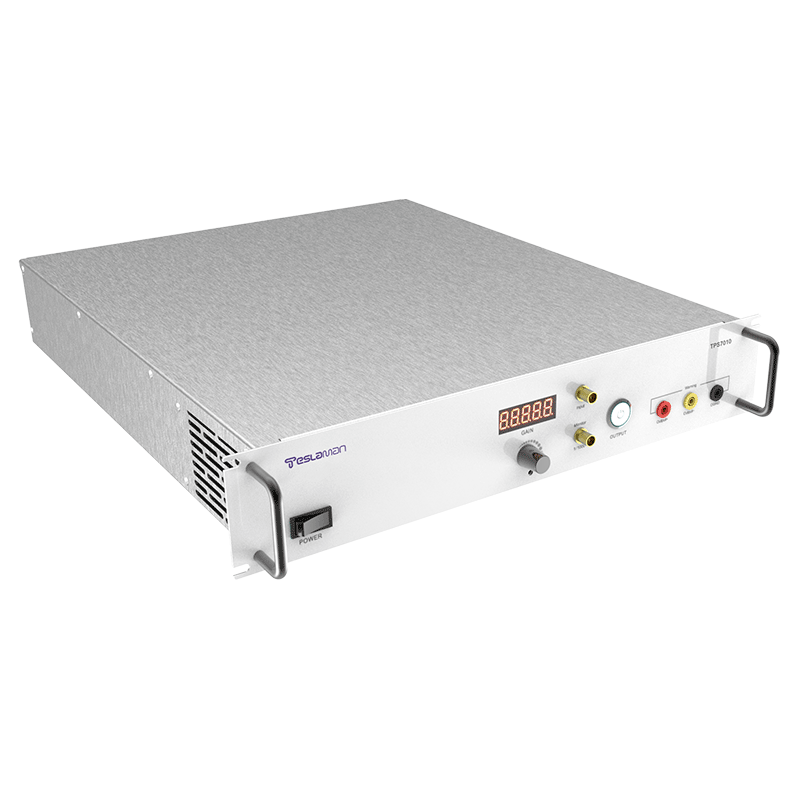
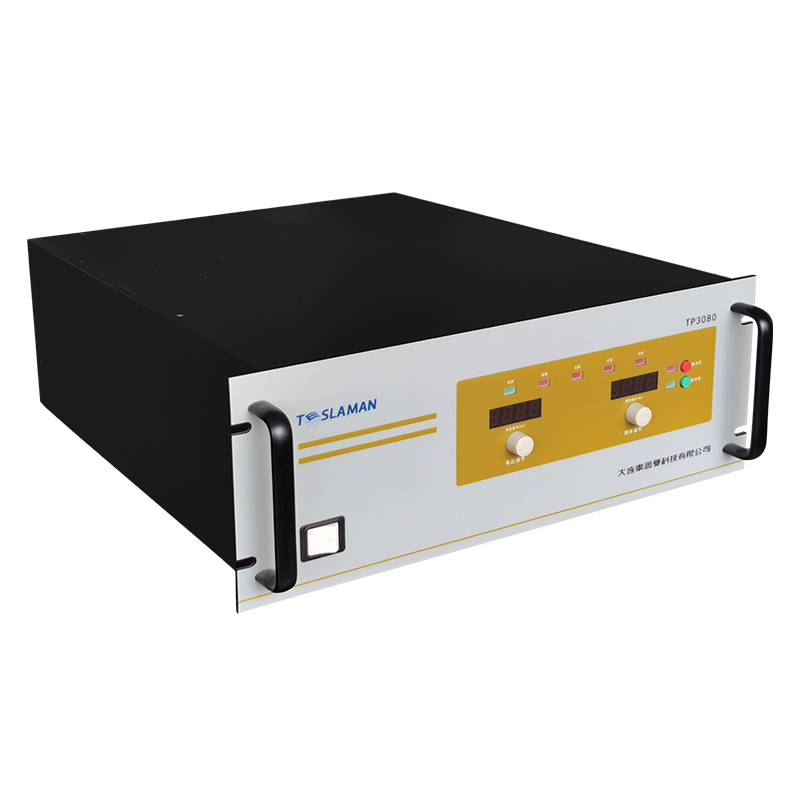
The radiation source of the facility is powered by the high-voltage supply, and the electron beam or the X-ray generation requires the stable high voltage. The beam parameters affect the dose delivery, and the control of the supply maintains the dose uniformity. The source operation is monitored for the consistent output.
The dose measurement uses the dosimeters placed in the product load, and the dosimeters are read after the irradiation to determine the absorbed dose. The measurement results are analyzed for the dose distribution, and the minimum and the maximum doses are identified. The dose mapping provides the data for the process qualification.
The process qualification establishes the sterilization parameters for the product load, and the qualification includes the dose mapping and the verification of the delivered dose. The qualified process provides the defined dose range for the products, and the sterilization dose is validated according to the standards. The qualification supports the regulatory compliance.
The batch processing of the medical devices requires the consistent dose delivery across the batches, and the process control maintains the sterilization parameters. The load configuration is defined for the reproducible processing, and the variations in the product arrangement are controlled. The batch consistency is verified through the routine dose monitoring.
The safety of the irradiation facility includes the radiation protection and the interlocks, and the access to the irradiation area is controlled. The shielding of the facility limits the exposure of the personnel, and the radiation monitoring provides the protection. The safety design follows the radiation safety regulations.
The verification of the sterilization process includes the routine dose measurement and the periodic re-qualification, and the results are compared with the qualified range. The biological indicators are used for the verification of the sterilization effectiveness, and the results confirm the process performance. The verification supports the release of the sterilized products.
The quality system of the medical device sterilization documents the process and the results, and the records support the traceability of the sterilized products. The process changes are controlled and re-qualified, and the quality audits confirm the compliance. The quality management supports the regulatory approval.
The irradiation sterilization provides the reliable sterilization of the medical devices, and the uniform dose distribution ensures the effectiveness without the product damage. The evaluation and the control of the dose support the safe use of the devices, and the technology contributes to the healthcare quality.
The advancement of the sterilization technology demands the higher efficiency and the better dose control, and the facility follows the requirements of the new products and the regulations. The improved dose delivery and the process automation enhance the capability, and the cooperation with the device manufacturers drives the innovation.
Evaluation of the uniform dose distribution of the irradiation sterilization high-voltage supplies ensures the effective batch sterilization of the medical devices, and the careful dose measurement, the process qualification, and the verification deliver the required sterilization assurance. The continued development will support the advancement of the medical device sterilization.
The training of the facility staff covers the operation of the irradiation equipment and the handling of the dosimetry, and the training includes the radiation safety procedures. The competency of the staff is assessed periodically, and the recertification maintains the qualifications. The training supports the safe and the effective sterilization operation.
The maintenance of the irradiation equipment includes the service of the high-voltage supply and the radiation source, and the maintenance is performed according to the defined schedule. The safety functions are tested after the maintenance, and the dose delivery is verified. The maintenance program supports the reliable operation of the facility.
The economic assessment of the sterilization facility considers the throughput, the energy cost, and the maintenance, and the efficient operation supports the cost-effective sterilization. The dose control reduces the energy consumption, and the reliable equipment minimizes the downtime. The assessment supports the facility management.
The regulatory compliance of the sterilization facility is maintained through the audits and the inspections, and the documentation supports the compliance. The process changes are evaluated for the impact on the sterilization, and the re-qualification is performed as required. The compliance management supports the continued operation of the facility.
The documentation of the sterilization process includes the procedures, the validation records, and the batch records, and the documentation supports the regulatory compliance. The records are retained for the defined period, and the audits confirm the completeness. The documentation is an integral part of the quality system.
The dosimetry system of the facility is calibrated with the reference standards, and the calibration is maintained for the measurement accuracy. The dosimeter readout systems are verified periodically, and the results are documented for the traceability. The dosimetry quality supports the reliable dose evaluation.
The feedback from the sterilization operations provides the data for the improvement of the process and the equipment, and the analysis of the dose data identifies the opportunities for the optimization. The improvements are implemented and verified, and the process performance is reviewed periodically. The continuous improvement supports the efficient sterilization.
The comparison of the irradiation with the alternative sterilization methods provides the perspective on the advantages and the limitations, and the evaluation supports the selection of the appropriate technology. The product requirements determine the suitable method, and the economics are considered in the selection. The evaluation supports the informed decision-making.