Closed-Loop Feedback of Electron Beam Melting Additive Manufacturing High-Voltage Supplies in Melt Pool Morphology Control
Electron beam melting builds the metal parts layer by layer through the selective melting of the powder, and the melt pool formed by the electron beam determines the quality of the built parts. The high-voltage supply of the electron beam system controls the beam power, and the closed-loop feedback regulates the melt pool morphology during the process. The engineering work covers the feedback control, the process monitoring, and the verification, and the requirements are defined by the additive manufacturing applications.
The electron beam melting uses the focused electron beam to melt the powder in the defined areas, and the melt pool is formed at the beam impact point. The size and the temperature of the melt pool affect the layer quality and the part properties, and the control of the melt pool is essential for the consistent building. The beam power is the primary control parameter.
The closed-loop feedback of the melt pool uses the sensor data to adjust the beam parameters, and the sensors measure the temperature and the emission of the melt pool. The feedback control maintains the melt pool at the target state, and the response to the disturbances is fast. The control improves the stability of the melting process.
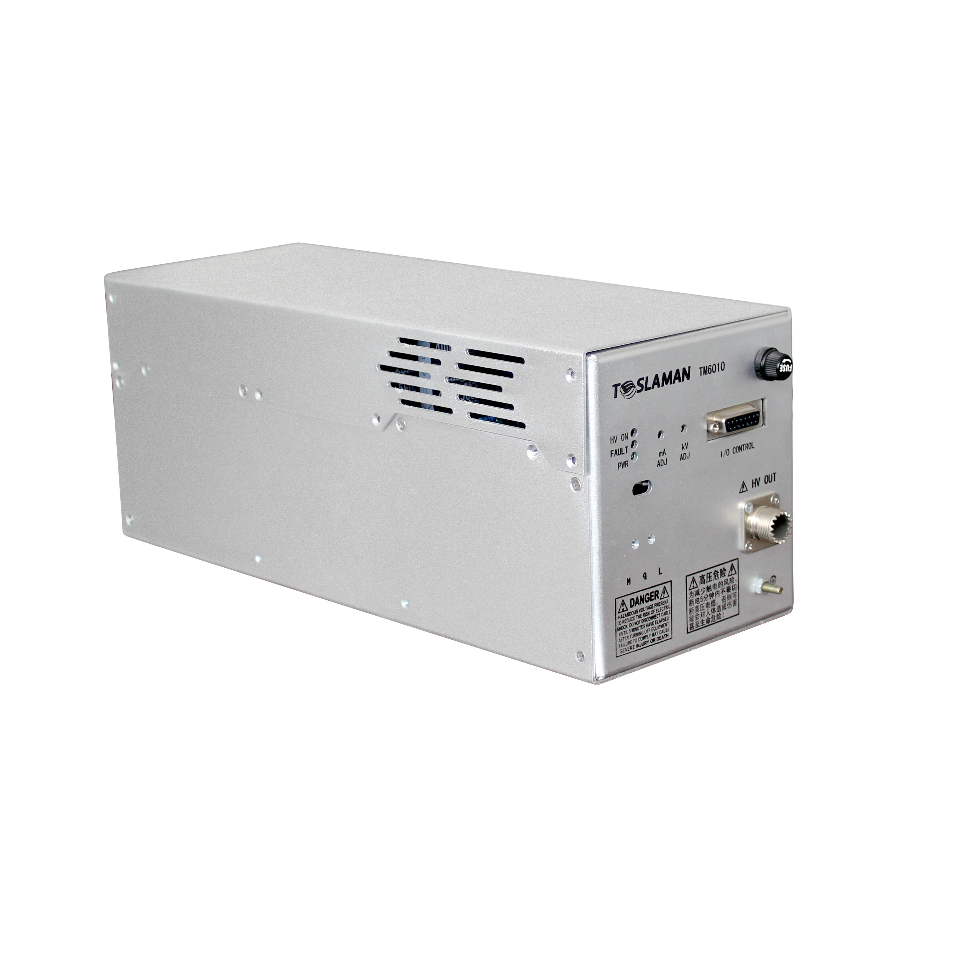
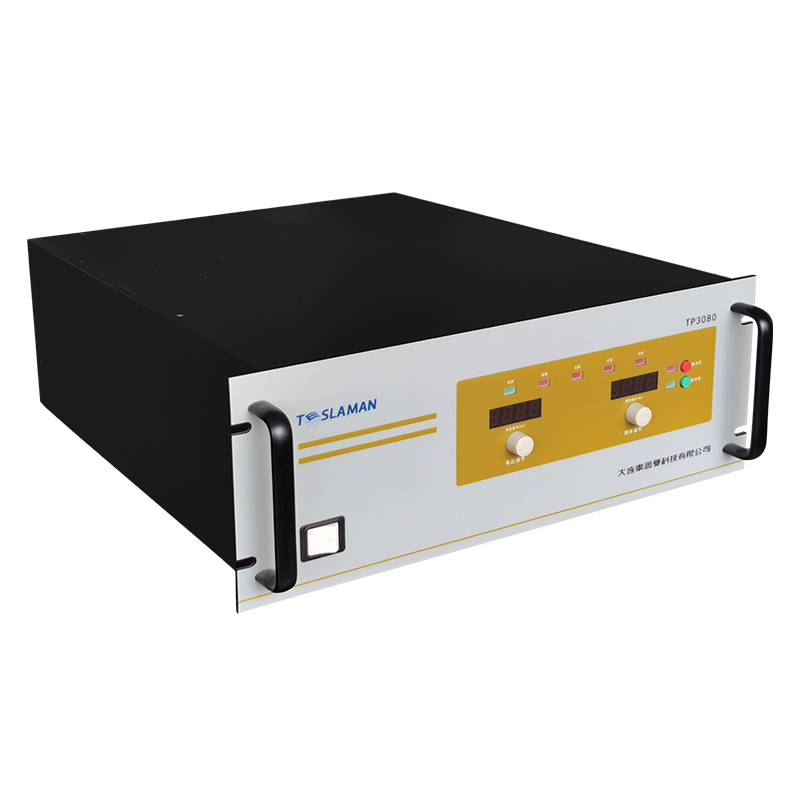
The high-voltage supply provides the beam power, and the control adjusts the beam current and the focus for the power regulation. The response of the supply to the control commands is designed for the process requirements, and the beam parameters are maintained at the set values. The supply performance supports the feedback control.
The monitoring of the melt pool includes the measurement of the temperature distribution and the pool dimensions, and the monitoring data is used for the feedback and the analysis. The process models relate the melt pool state to the part quality, and the control is optimized accordingly. The monitoring supports the process understanding.
The process conditions such as the powder layer thickness and the preheating affect the melt pool behavior, and the feedback control compensates for the variations. The scanning pattern and the beam parameters are coordinated for the layer building, and the process is optimized for the part geometry. The coordinated control supports the complex part building.
The quality of the built parts is evaluated through the density, the microstructure, and the mechanical properties, and the results are correlated with the process conditions. The defects are identified and the process is improved, and the verification supports the qualification of the process. The quality assurance is integrated with the process control.
The verification of the closed-loop control includes the evaluation of the melt pool stability and the part quality, and the results are compared with the specification. The response of the control to the process variations is tested, and the long-term stability is verified. The verification supports the production use of the system.
The electron beam melting is used for the metal parts in the aerospace, the medical, and the tooling applications, and the part quality determines the suitability for the demanding service. The closed-loop control supports the production of the high-quality parts, and the technology contributes to the advancement of the additive manufacturing.
The advancement of the additive manufacturing demands the higher productivity and the better quality, and the process control follows the requirements of the new applications. The improved sensors and the control algorithms enhance the capability, and the cooperation with the equipment manufacturers drives the innovation.
Closed-loop feedback of the electron beam melting high-voltage supplies enables the control of the melt pool morphology for the high-quality additive manufacturing, and the precise beam control, the careful monitoring, and the verification deliver the required part quality. The continued development will support the advancement of the metal additive manufacturing.
The maintenance of the electron beam melting system includes the service of the electron gun and the inspection of the vacuum components, and the condition of the components affects the beam quality. The replacement of the consumables is scheduled according to the operating hours, and the system is requalified after the maintenance. The maintenance program supports the reliable production.
The training of the operators covers the operation of the additive manufacturing system and the handling of the process data, and the safety procedures are included in the training. The understanding of the melt pool control supports the process development, and the collaboration between the equipment and the process teams improves the integration.
The economic assessment of the additive manufacturing considers the material utilization, the build time, and the part quality, and the closed-loop control reduces the defects and the rework. The efficient use of the material and the energy reduces the cost, and the reliable operation supports the production. The assessment supports the investment decisions.
The evaluation of the built parts includes the density measurement and the mechanical testing, and the results are compared with the specifications. The correlation between the process conditions and the part properties is analyzed, and the process is refined. The evaluation supports the qualification of the additive manufacturing process.
The documentation of the additive manufacturing process includes the build parameters, the material records, and the quality data, and the documentation supports the reproducibility and the traceability of the parts. The reviews of the process data support the improvement, and the documentation is maintained according to the quality system. The documentation supports the production control.
The collaboration between the equipment suppliers and the application developers supports the optimization of the additive manufacturing processes, and the exchange of the experience contributes to the refinement of the melt pool control. The requirements of the new applications guide the development, and the equipment is adapted accordingly. The collaboration drives the advancement of the metal additive manufacturing.
The continuous improvement of the additive manufacturing process is supported by the data analysis and the experimental validation, and the process changes are implemented after the verification. The performance targets are reviewed periodically, and the improvements are documented. The continuous improvement maintains the competitiveness of the manufacturing process.
The system of the additive manufacturing is qualified for the production use through the comprehensive verification, and the long-term data from the production confirms the reliability. The performance is maintained over the operating life through the calibration and the maintenance, and the production support provides the assistance. The qualification supports the dependable operation of the production.