Beam Precision Improvement of Ion Beam System High-Voltage Supplies in Focused Ion Beam Micromachining Centers
The focused ion beam micromachining provides the precise material removal and the imaging at the micro scale, and the technology is used for the sample preparation, the device modification, and the failure analysis. The ion beam system generates the focused ion beam, and the high-voltage supply of the system controls the beam parameters. The beam precision improvement supports the micromachining quality, and the engineering work covers the beam control, the process optimization, and the verification.
The focused ion beam instruments use the gallium ion source and the focusing column to generate the nanoscale beam, and the beam is scanned over the sample for the milling and the imaging. The beam diameter and the current determine the resolution and the processing rate, and the control of the beam parameters affects the processing quality. The stable beam supports the precise micromachining.
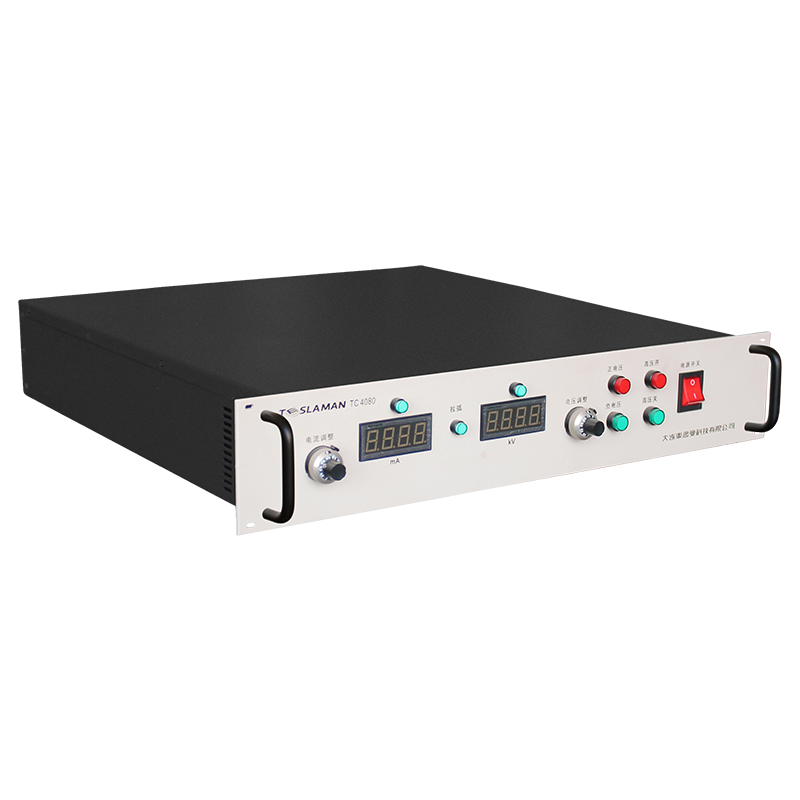
The high-voltage supply of the ion beam system provides the voltages for the ion source, the extraction, and the focusing elements, and the stability of the voltages affects the beam quality. The beam current is controlled through the aperture and the lens settings, and the beam alignment is maintained for the precise operation. The supply performance supports the beam control.
The micromachining processes include the cross-sectioning, the circuit editing, and the sample preparation, and the process parameters are optimized for the specific applications. The beam current and the scan pattern are selected for the material removal, and the end-point detection controls the processing depth. The process optimization supports the machining quality.
The imaging capability of the focused ion beam supports the in-situ observation of the processing, and the ion-induced secondary electron signal provides the image. The imaging and the milling are coordinated for the process control, and the image quality affects the process accuracy. The coordinated operation supports the precise processing.
The environment of the micromachining center is controlled for the vibration and the electromagnetic interference, and the instrument is designed for the stable operation. The temperature control supports the beam stability, and the maintenance includes the source servicing. The environmental control supports the processing quality.
The verification of the beam precision includes the measurement of the beam diameter and the processing accuracy, and the results are compared with the specification. The test structures are milled and evaluated, and the repeatability is confirmed. The verification supports the qualification of the system.
The focused ion beam technology is used for the semiconductor analysis and the material research, and the precise processing supports the characterization of the devices. The reliable beam control contributes to the analysis quality, and the technology advances the micro analysis capability.
The advancement of the focused ion beam technology demands the higher resolution and the better stability, and the instruments follow the requirements of the new applications. The improved column design and the control enhance the capability, and the cooperation with the research and the industry partners drives the innovation.
Beam precision improvement of the ion beam system high-voltage supplies enables the precise focused ion beam micromachining, and the careful beam control, the process optimization, and the verification deliver the required processing quality. The continued development will support the advancement of the micro machining technology.
The maintenance of the focused ion beam system includes the service of the ion source and the inspection of the column components, and the condition of the source affects the beam quality. The replacement of the source is scheduled according to the operating hours, and the system is requalified after the maintenance. The maintenance program supports the consistent processing.
The training of the operators covers the operation of the focused ion beam system and the interpretation of the images, and the safety procedures are included in the training. The understanding of the micromachining supports the process development, and the technical support provides the assistance. The training supports the reliable operation.
The economic assessment of the micromachining service considers the processing precision, the throughput, and the operating cost, and the reliable beam control reduces the rework and the downtime. The efficient processing supports the service quality, and the investment is justified by the operational benefit. The assessment supports the facility planning.
The documentation of the micromachining service includes the process records, the calibration data, and the quality reports, and the documentation supports the traceability and the quality assurance. The reviews of the data support the improvement, and the documentation is maintained according to the quality system. The documentation supports the service quality.
The verification of the complete system includes the evaluation of the beam precision and the machining accuracy over the operation, and the consistency of the results is confirmed. The system is qualified for the service use, and the periodic checks confirm the continued performance. The verification supports the reliability of the service.
The collaboration between the instrument suppliers and the analysis laboratories supports the development of the micromachining applications, and the exchange of the experience contributes to the refinement of the process parameters. The requirements of the new applications guide the development, and the systems are adapted accordingly. The collaboration drives the advancement of the focused ion beam technology.
The comparison of the focused ion beam and the electron beam processing provides the perspective on the milling and the imaging capabilities, and the evaluation supports the selection for the specific applications. The requirements of the analysis determine the suitable method, and the economics are considered. The evaluation supports the informed decision-making.
The scaling of the micromachining services to the additional laboratories requires the deployment of the additional instruments, and the performance of the instruments is verified for the consistent operation. The data from the instruments is aggregated for the analysis, and the procedures are harmonized. The scaling supports the expansion of the service capability.
The continuous improvement of the system is supported by the data analysis and the design validation, and the improvements are implemented after the verification. The performance targets are reviewed periodically, and the documentation is updated. The continuous improvement maintains the capability of the service.
The reliability of the instrument is supported by the scheduled maintenance and the performance verification, and the source replacement is planned according to the operating data. The service records support the evaluation of the reliability, and the improvements are implemented. The reliability engineering supports the consistent micromachining service.