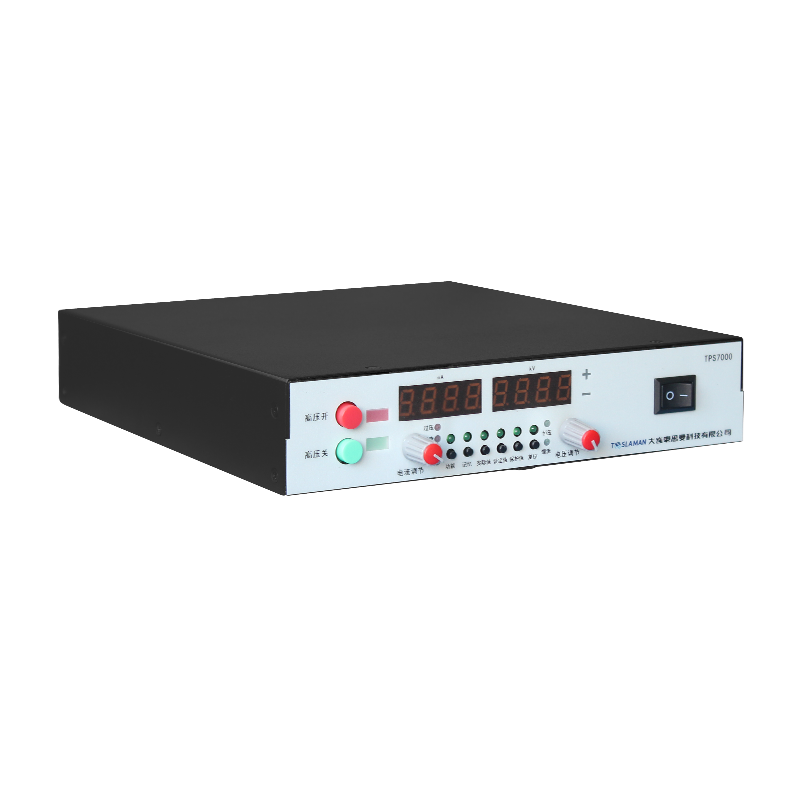
Voltage control of capillary electrophoresis high-voltage power supplies in environmental water samples and food safety pesticide residue testing
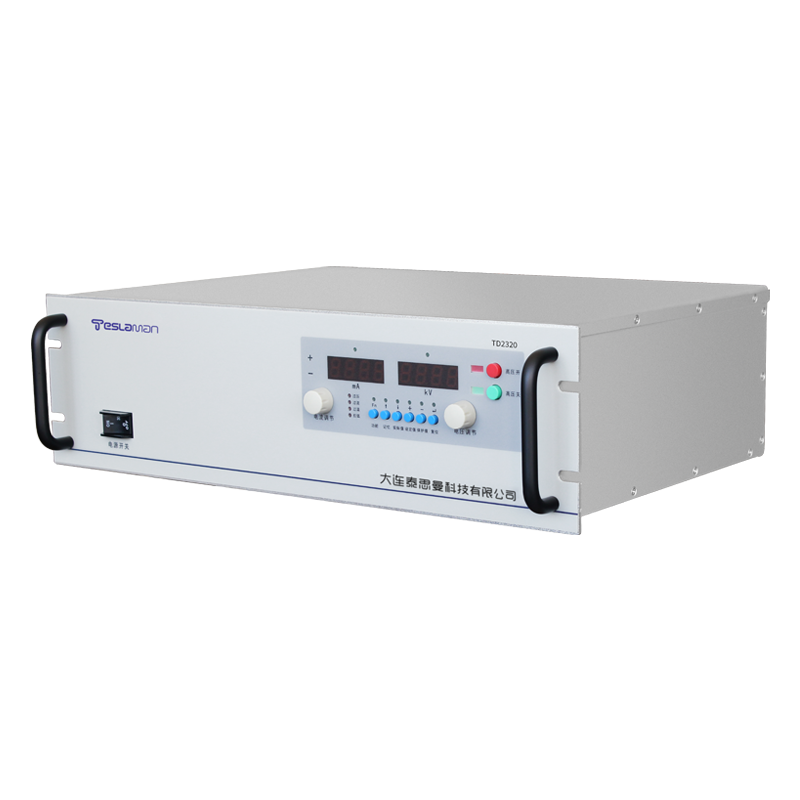
The analytical bench in the food-safety test lab runs four capillary electrophoresis instruments, each with a high-voltage supply covering 0 to 30 kV. Routine jobs split between environmental water samples and pesticide extracts from vegetable rinses, and the working setpoint lands at 20 kV for most methods. Fused silica capillaries run 60 cm long with 50 micrometers inner diameter, housed in a cassette thermostatted at 25 degrees. Current through the capillary measures 8 to 15 microamps at full voltage, and the supply monitors that current continuously and cuts output if the reading doubles. A full analytical run lasts 12 minutes, and during the run the supply must hold voltage within 0.1 percent, because migration time of a pesticide peak moves roughly 1 percent per percent of voltage change.
Voltage ramp shape decides whether a method starts clean. The standard ramp moves from 0 to 20 kV at 5 kV per second, and a too-fast ramp overshoots 1 kV and triggers a bubbling event in the inlet vial, visible as a cloudy window in the UV trace. A too-slow ramp below 1 kV per second wastes 15 seconds per run, and over a batch of 48 vials the lost time adds up to 12 minutes. The ramp on the installed supplies follows a 5 kV per second slope with a 200 V overshoot limit, and the lab validated the slope once on each instrument before method release. One older instrument in the back of the room ramps at 8 kV per second and shows bubbles on salt-heavy samples, and the lab left the instrument retired rather than pay for a control board swap.
Electrokinetic injection couples directly to supply accuracy. At the start of a run, the capillary inlet moves to a sample vial and voltage drops from 20 kV to 10 kV for 10 seconds, pulling analyte ions into the column by electromigration. A 1 percent voltage error during injection changes the injected amount by roughly the same fraction, and peak area repeatability, specified at 3 percent relative standard deviation on a 1 ppm pesticide standard, tightens to 1.5 percent when the supply holds within 0.1 percent. The lab checks injection reproducibility with a 20-vial stack of atrazine standard once a week, and the check takes 3 hours. A supply drifting 0.8 percent low for two days showed up as peak areas 5 percent under the calibration line, and the resulting sample batch had to be re-run, costing 6 hours of instrument time.
Joule heating in the capillary forces the current trip logic. Buffer conductivity rises with sample salt content, and a muddy river extract can push capillary current from 10 microamps to 18 microamps at the same 20 kV. Extra current heats the column, broadens peaks, and on the worst samples produces a bubble that breaks the current circuit entirely. The supply watches current slope: a rise faster than 0.5 microamps per second trips output within 100 ms and flashes a buffer warning on the instrument screen. Dilution by a factor of two brings the current back under 12 microamps, and the diluted sample loses 50 percent of detection sensitivity, so the lab reserves dilution for the worst river samples and runs tap water and produce rinses undiluted.
Noise on the high-voltage output couples straight into the UV baseline. At 214 nm detection, a ripple of 10 mV peak to peak on the supply adds a baseline wobble of 0.3 milliabsorbance units, which sits just below the 0.5 noise floor that hides 0.1 ppm pesticide peaks. Supplies in the lab specify ripple below 5 mV at 30 kV, and quarterly checks with an oscilloscope on the outlet tap read 3 to 4 mV. One instrument developed ripple of 22 mV after 4 years, and the baseline wobble pushed two low-level pesticide results below the reporting limit. The internal filter capacitors, a stack of 8 units near the multiplier, got replaced in 3 hours, and the ripple returned to 4 mV.
Humidity in the lab drives corona faults nobody expects. In summer months when the lab humidity climbs past 65 percent, the cassette inlet end, held near ground while the outlet sits at 20 kV, starts faint corona and the baseline develops sharp spikes every few seconds. Each spike lasts 20 ms and looks like a false small peak on the electropherogram, and one pesticide run got misread for trace glyphosate until the analyst noticed the spike pattern. A small silica gel box mounted beside the cassette, plus a room dehumidifier holding 55 percent, cleared the spikes. The dehumidifier runs only June through September and costs 180 kWh per month, and the lab absorbs the bill rather than repeat the misread.
Polarity reversal splits the pesticide methods. Acidic herbicides migrate as anions and run in reverse polarity, outlet at minus 20 kV relative to inlet; neutral and basic compounds run positive polarity. The supplies switch polarity under software command at the end of a run, and the reversal takes 6 seconds of ramp-down and ramp-up. Method batches group samples by polarity to minimize switching, and a mixed batch adds 4 minutes per switch. The reversal switch contacts on one supply showed burning after 3 years, and the contact oxidation added 1 second of jitter to the switch timing, which nobody noticed until migration time standards drifted 4 seconds. The contacts cost 90 dollars and the swap took 1 hour.
Food extracts carry matrix dirt that ages the capillary. A vegetable rinse containing suspended solids leaves residue at the inlet, and the residue raises the effective column resistance until the current reading falls 10 percent below the expected value at fixed 20 kV. The supply reports the falling current as resistance growth, and the lab rule schedules a 5-minute flush with sodium hydroxide whenever the current drops more than 8 percent. One batch of chili pepper extracts left residue so thick that a flush failed and the capillary had to be cut 2 cm shorter, losing useful column length and shifting all migration times by 3 percent. The lab now dilutes chili extracts fourfold before injection.
Mains quality in the old building floors the supply on heavy mornings. The lab shares a 220 V line with a heating plant on the same transformer, and at 8 a.m. when the plant cycles on, the supply input dips to 198 V for 200 ms. The supply holds 20 kV through the dip, but the control electronics reset on one instrument during a dip, aborting a run mid-separation and wasting a 12-minute window plus the vial position. A small uninterruptible supply on the instrument rack, rated 600 VA, holds the control electronics through the dip, and the abort rate fell from 2 per week to zero. The uninterruptible unit replaced the battery after 3 years, at 110 dollars.
Calibration checks compare the supply against a reference divider once per quarter. The divider, a 1000-to-1 resistive chain with a digital voltmeter on the tap, sits in a wooden carry case and connects to the outlet tap through a clip lead. Checks run at 5, 10, 20, and 30 kV, and the supply passes if readings match the divider within 0.2 percent. Over 10 quarters, drift has stayed under 0.15 percent, and the lab has never returned a supply for out-of-tolerance adjustment. The reference divider goes out to a national lab yearly, and the yearly certificate comes back with ratio within 10 ppm. One quarter, the divider read 0.3 percent high on all instruments, and the divider turned out to have sat near a radiator; the radiator move fixed the reading.
Routine maintenance follows a short checklist. Every 6 months, the supply cover comes off and the multiplier stack gets blown out with dry air, since dust from the lab ventilation accumulates on the ceramic insulators and raises leakage current. Leakage on a clean unit reads 0.2 microamps at 30 kV; on a dusty unit the reading climbs to 1.5 microamps and the efficiency meter on the front panel drops 1 percent. The fan in the cabinet intake gets cleaned at the same visit, and the fan bearings show no wear after 6 years. Total maintenance time per instrument runs 45 minutes, and the lab schedules the work on Friday afternoons when the instruments sit idle.
A trial on estuary water last autumn pushed the method past the working edge. Salt content near 2 percent forced current readings to 22 microamps even after twofold dilution, and bubbles appeared on every injection, aborting runs at 3 of 12 vials. The lab switched to a coated capillary that suppresses electroosmotic flow and halves the current at the same voltage, but the coated columns cost 140 dollars each and lasted 80 runs instead of the 200-run lifetime of bare columns. The estuary contract ended after the trial, and nobody has settled on a coated-column method for general use. The trial report sits in the method binder with a note that seawater samples need a dedicated column budget.
The between-run rinse sequence protects column condition more than any supply setting. After each run, the cassette pushes the capillary through a water vial for 2 minutes, a sodium hydroxide vial for 3 minutes, and a buffer vial for 2 minutes, conditioning the inner wall charge before the next injection. A contaminated bottle of sodium hydroxide, ordered from a new vendor in spring, carried trace carbonate, and the carbonate built a film on the silica wall that slowed electroosmotic flow, shifting all migration times 8 percent late across a whole day of samples. The batch had to be re-run, costing 8 hours of instrument time, and the lab now tests every new reagent lot against an atrazine standard before releasing the lot to production. The test takes 1 hour per lot, and two reagent lots in the following year failed the test on arrival. Water quality in the lab, drawn from a deionizer bed, gets resistivity checked daily, and the bed resin change goes on a schedule when resistivity falls under 15 megaohm-centimeter. A weak bed once added ionic background that raised capillary current from 11 microamps to 14 microamps, and the method offset buffer concentration by half a step before the bed change showed on the daily check.
The autosampler tray holds 48 vials at room temperature, and a long queue leaves early-position vials waiting 6 hours before injection. Sample evaporation from pierced septa concentrates the early vials by 4 percent over that wait, and peak areas climb slightly from first-position to last-position samples when the queue runs long. The lab reorders batches so that calibration standards sit at fixed positions 1 and 24, and the drift between the two standards flags queue aging rather than supply drift. Septa pierce once per injection, and a septum rated for 20 piercings gets replaced every 16 injections to avoid core debris plugging the capillary inlet. A plugged inlet reads as falling current on the supply monitor, and the rule triggers an immediate cut rather than waiting for the next scheduled flush. Vibration from the room air handler, once loosened a vial on the tray, and the sampling needle crashed into the vial rim and bent the needle arm, costing 4 hours of service. The tray now sits on a 10 kg concrete plinth to damp vibration, and no second vial slip has occurred in 2 years.
Weekend shutdown changes the Monday startup picture. Instruments power down at the end of Friday, and Monday morning requires 40 minutes of warm-up plus two dummy runs before the first customer vial. The dummy runs use a fresh buffer vial and an atrazine standard, and the standard peak area must land within 3 percent of the Friday baseline before release. On one humid Monday, the first standard ran 8 percent low, traced to buffer water absorbing atmospheric carbon dioxide over the weekend, and a fresh buffer bottle now opens Monday morning rather than Friday afternoon. Buffer preparation takes 15 minutes per batch, and the pH meter on the reagent bench checks buffer at 2.0 and 7.0 against reference powders daily. Expended buffer vials go to a labeled solvent waste drum, and the drum pickup runs monthly at 180 dollars. Septum stock holds 500 pieces, and a new box gets opened when the cabinet stock falls under 100.
Cassette tracking follows a run counter on the instrument. Cassettes last 200 runs before the inlet bore widens from flush erosion, and a widened bore shifts peak area by 10 percent. The counter reset, once forgotten after a cassette swap, let a 260-run cassette run one batch long, and the batch showed broadened peaks that re-analysis on a fresh cassette corrected. The counter reset now requires a written entry in the instrument logbook, and the log entry is checked at the weekly reagent order review. Cassette storage, a drawer box near the instruments, keeps spare cassettes dry, and a silica gel packet in the drawer gets replaced when the indicator beads turn pale.