Optimization Schemes for Maintenance Efficiency of Etching Equipment Power Supplies
Maintaining high-voltage power supplies in plasma etching tools poses unique challenges due to their exposure to harsh environments, including electromagnetic interference, thermal cycling, and corrosive byproducts. Optimization focuses on extending mean time between failures while minimizing downtime through predictive and condition-based strategies rather than scheduled overhauls.
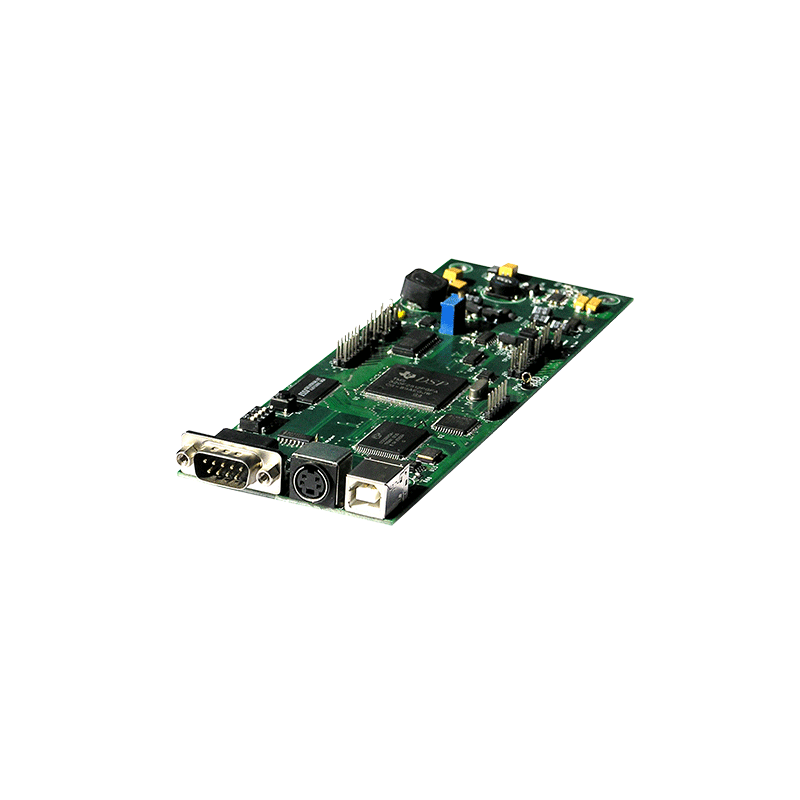
Central to efficiency is comprehensive health monitoring. Sensors embedded in critical subsections—such as IGBT modules, capacitors, and output transformers—track parameters like junction temperatures, leakage currents, and partial discharge activity. Anomalies in these metrics signal incipient faults, such as insulation degradation from ozone exposure in fluorine plasmas.
Remote diagnostics via secure network protocols allow offsite experts to analyze logged data, often resolving issues through firmware updates without physical intervention. This is invaluable for global fabs where travel delays can cost millions in lost production.
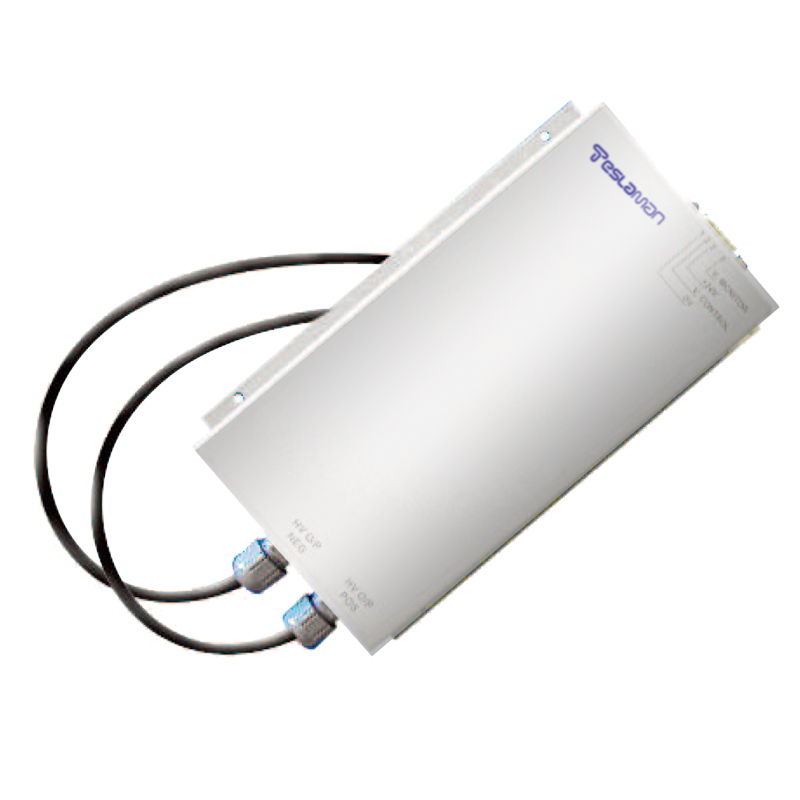
Modular architectures facilitate swift swaps. High-voltage sections designed as line-replaceable units enable technicians to exchange faulty cassettes in hours, with automatic calibration routines post-installation ensuring seamless reintegration.
Cooling system optimization prevents common failures from overheating. Variable-speed pumps and fans adjust flow based on real-time load, reducing wear on mechanical components while maintaining optimal temperatures. Filtration of coolant loops captures particulates from chamber exhaust bleed, preventing blockages.
Arc management circuitry not only protects during operation but logs events for trend analysis. Patterns in arc frequency can indicate electrode wear or gas purity issues upstream, prompting targeted interventions.
Capacitor banks, prone to degradation in pulsed applications, benefit from balanced charging algorithms that equalize voltages across series strings, prolonging life.
Preventive cleaning protocols, guided by usage hours and reflected power integrals, target dust accumulation on high-voltage insulators, averting flashovers.
Software-driven self-tests run during idle periods verify output accuracy against metrology standards, flagging drifts that could affect process repeatability long before catastrophic failure.
Integration with fab-wide asset management systems correlates power supply data with chamber performance, identifying subtle interactions like bias drift contributing to etch nonuniformity.
Spare parts optimization through predictive modeling stocks only high-failure items, reducing inventory costs.
Training simulations using virtual replicas of supplies allow technicians to practice complex repairs, shortening actual intervention times.
In high-reliability setups, redundant parallel paths for critical functions ensure continued operation during minor faults.
These schemes collectively slash maintenance durations from days to hours, boosting tool availability to over 95% in many cases. By focusing on data-driven insights and design for serviceability, maintenance evolves from a cost center to a strategic enabler of fab productivity.