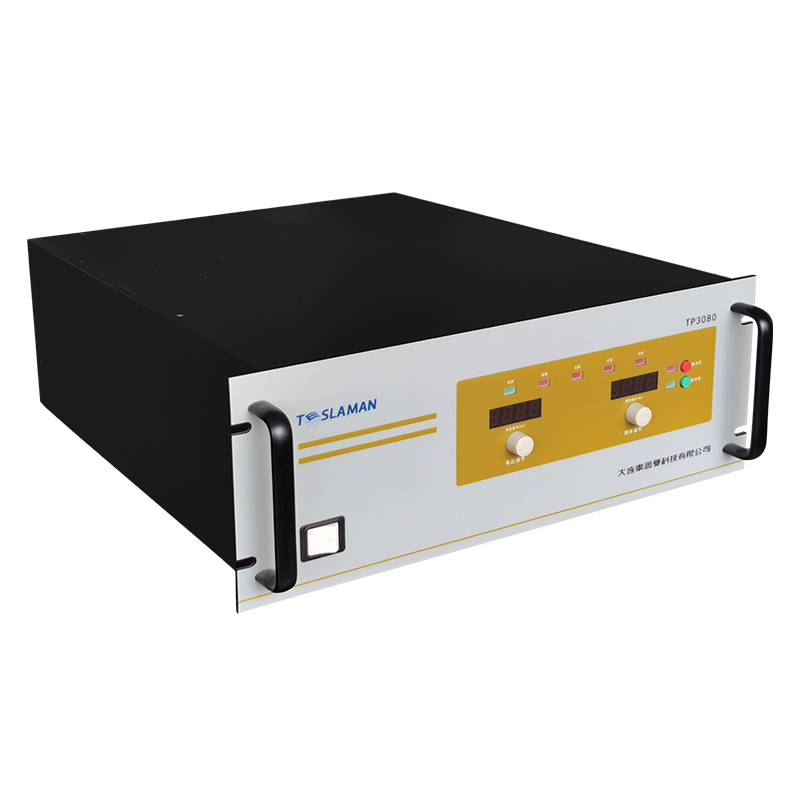
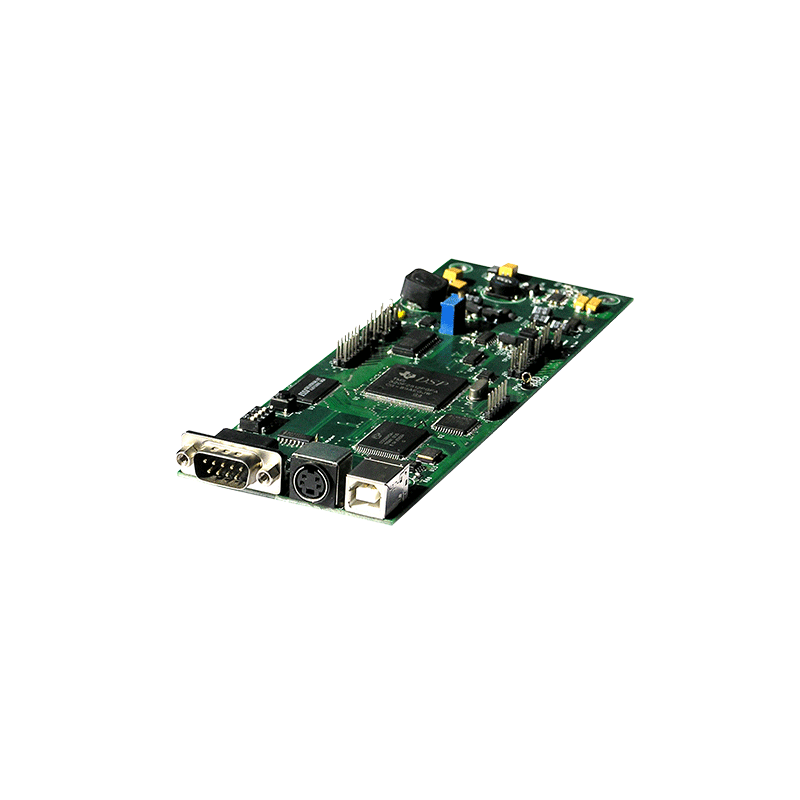
High Voltage Power Supply Supporting Energy-Saving Retrofitting of Annealing Equipment
Energy-saving retrofitting of existing annealing equipment using high-voltage power technology has emerged as one of the most cost-effective pathways to reduce specific energy consumption in metals heat treatment. Many installed bases operate with medium-voltage thyristor rectifiers and line-frequency transformers that exhibit efficiencies rarely exceeding 92% and power factors below 0.85 under partial load. Replacing only the power conversion section with modern high-voltage switched-mode supplies can yield overall efficiency improvements of 8–15% while simultaneously increasing production capacity.
The retrofit process typically begins with replacement of the main power transformer and rectifier bridge with a compact high-voltage switch-mode unit that connects directly to the existing medium-voltage bus. This approach preserves the majority of the installation—including furnace structure, cooling systems, and atmosphere control—while addressing the primary energy loss mechanisms. The new power units operate at voltages between 5 kV and 15 kV DC, reducing current through existing heating elements by factors of three to six and correspondingly decreasing I²R losses in bus bars, flexible cables, and element connections.
A critical enabling technology for these retrofits is the development of drop-in replacement heating element assemblies designed for higher voltage operation. These assemblies maintain identical mechanical dimensions and connection points but utilize thinner resistive wire or ribbon wound at greater spacing, preserving resistance value while accommodating the elevated voltage. Installation requires only element replacement during scheduled maintenance shutdowns, avoiding major furnace modifications.
Variable frequency operation represents another powerful energy-saving lever unlocked by high-voltage switched-mode supplies. By adjusting output frequency in induction-heated furnaces or pulse repetition rate in direct-resistance systems, power delivery can be optimized for varying load geometries and material properties. In batch annealing of steel coils, dynamic frequency adjustment has reduced average energy consumption by an additional 7–10% beyond the baseline efficiency gain from voltage elevation.
Integration of regenerative capability during cooling phases further enhances energy recovery. Modern high-voltage units incorporate active front ends that return energy to the grid when heating power is rapidly reduced, capturing what was previously dissipated in dynamic braking resistors. In bell-type annealing bases with multiple furnaces, centralized energy storage at the DC link level allows excess recovered energy from one furnace to be immediately redirected to another entering the heating phase, achieving plant-level efficiencies approaching 98%.
Measurement and verification protocols have been refined to accurately quantify savings in retrofit projects. Continuous monitoring of input power, output power, and workpiece temperature enables calculation of instantaneous efficiency and cumulative energy savings. Plants completing such retrofits routinely document reductions in specific energy consumption from 450–550 kWh/ton to 320–380 kWh/ton for similar products, with the majority of improvement attributable to the power system upgrade.
The economic case strengthens considerably when penalty charges for poor power factor and harmonics are eliminated. Many older installations operate with power factors of 0.7–0.8, incurring substantial utility penalties. High-voltage switched-mode supplies maintain power factors above 0.99 across the entire operating range, often transforming a cost center into a neutral or even beneficial grid interaction.
Implementation strategies vary by furnace type but share common principles of minimal disruption. For continuous lines, phased replacement of individual zone power supplies maintains partial production during the transition. In batch operations, mobile high-voltage supply units can service multiple furnaces through switchable connections, spreading capital investment while immediately realizing energy savings across the entire fleet.
Long-term performance tracking of completed retrofits shows sustained efficiency gains with minimal degradation. The solid-state nature of the new supplies eliminates wear components associated with thyristor phase control systems, reducing maintenance requirements by 60–80% compared to the original equipment.